Is your dog constantly biting his bed, leaving it torn and messy? You’re not alone, and it can be frustrating to see your furry friend act this way.
But don’t worry—there’s a way to stop this behavior for good. You’ll discover simple, effective steps to help your dog feel comfortable and calm, so he stops chewing on his bed. Keep reading, and you’ll learn how to protect your dog’s favorite spot while strengthening the bond between you two.
Reasons Dogs Bite Their Beds
Dogs bite their beds for many reasons. Understanding why helps to stop this behavior. Sometimes, biting is normal and part of their growth. Other times, it signals a problem that needs attention. Knowing the cause guides the right approach to manage it.
Teething And Puppy Behavior
Puppies bite to soothe sore gums during teething. This phase usually lasts a few months. Biting also explores their world and tests boundaries. Chewing soft items like beds feels good and relieves discomfort. This behavior is common in young dogs.
Anxiety And Stress
Dogs may bite their beds when they feel anxious. Stress from changes or separation triggers this habit. Biting becomes a way to calm down and feel safe. It acts like a comfort tool during tough moments. Recognizing stress helps reduce this behavior effectively.
Boredom And Excess Energy
Too much energy leads dogs to bite beds out of boredom. Lack of play or exercise causes restlessness. Biting becomes a way to pass time and release energy. Regular walks and games prevent this behavior. Keeping dogs busy helps them stay calm.
Medical Issues
Some medical problems cause dogs to bite their beds. Pain or skin irritation can make biting a relief. Allergies or infections might also lead to this habit. A vet visit is necessary to rule out health issues. Treating medical causes stops the biting for good.
Choosing The Right Bed
Choosing the right bed for your dog plays a big role in stopping bed biting. A good bed feels comfortable and lasts long. It should also be safe for your pet. Picking the best bed helps your dog relax and chew less.
Material Durability
Pick a bed made from strong materials. Tough fabrics resist biting and scratching. Look for beds with reinforced seams. Durable beds hold up better to chewing. This saves money and avoids frequent replacements.
Size And Comfort
Choose a bed that fits your dog well. It should be big enough to stretch out. Soft padding helps your dog feel cozy. A comfy bed reduces anxiety and biting habits. Dogs rest better in beds that suit their size.
Safe And Non-toxic Options
Make sure the bed uses safe materials. Non-toxic fabrics keep your dog healthy. Avoid beds with harmful chemicals or dyes. Safety matters most for pets that chew. A safe bed gives you peace of mind.
Training Techniques To Stop Biting
Training your dog to stop biting his bed requires patience and clear techniques. Dogs often bite their beds out of boredom or stress. Teaching them better habits can protect your furniture and keep your dog happy. Use simple, consistent methods to help your dog learn what is okay to chew.
Redirecting Attention
Offer your dog a toy when he starts biting his bed. This shifts focus to something safe and fun. Play with the toy yourself to encourage interest. Praise your dog when he chooses the toy over the bed. Keep plenty of chew toys around to prevent boredom.
Positive Reinforcement
Reward your dog with treats when he stops biting his bed. Use a calm voice to praise good behavior. Treats help your dog connect good actions with rewards. Avoid yelling or punishment, as it can cause fear. Consistent rewards teach your dog what you expect.
Consistency In Commands
Use simple commands like “No bite” every time your dog bites the bed. Be firm but gentle with your tone. Follow the command with redirection to a toy or praise for stopping. Everyone in the household should use the same words. Consistency helps your dog understand the rules faster.
Using Deterrent Sprays
Apply a dog-safe deterrent spray on the bed to discourage biting. These sprays taste unpleasant but are harmless. Test the spray on a small area first to check for damage. Reapply the spray regularly to keep the bed unattractive. Combine sprays with training for the best results.
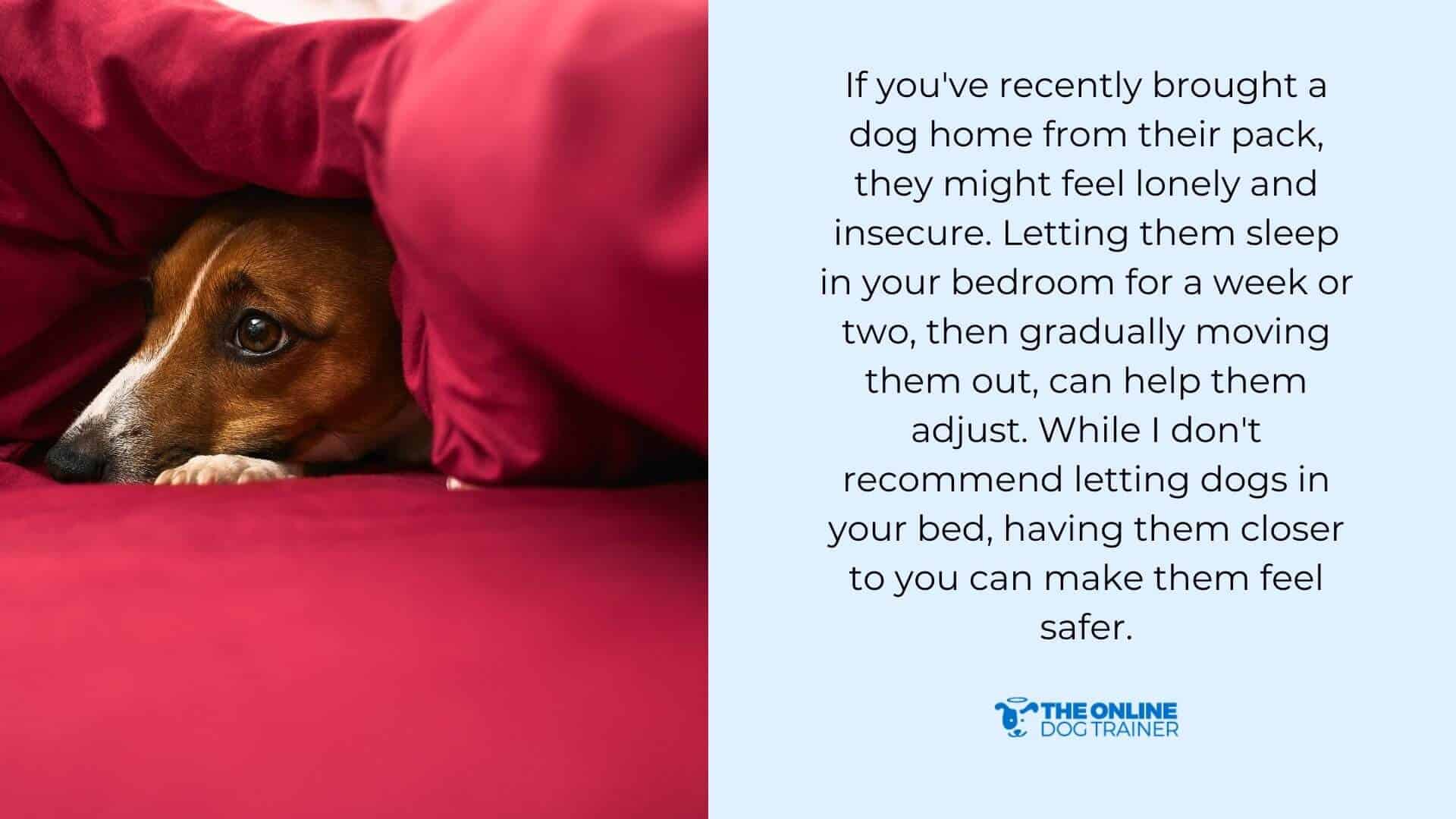
Credit: policlinicabiofauna.com
Providing Mental And Physical Stimulation
Providing mental and physical stimulation helps stop your dog from biting his bed. Dogs need activities to keep their minds and bodies busy. Without enough exercise or play, dogs may chew on things like beds out of boredom or stress. Regular stimulation helps reduce this behavior by using up extra energy and keeping your dog focused on positive tasks.
Daily Exercise Routines
Exercise is key to a happy, calm dog. Take your dog for walks every day. Running, fetching, or playing in the yard also helps. Exercise tires your dog out and lowers the chance of destructive chewing. Try to match the activity to your dog’s breed and age. Consistent exercise makes your dog less likely to bite his bed.
Interactive Toys
Interactive toys keep your dog’s brain active. Toys that hide treats or require problem-solving are great. They distract your dog from chewing on the bed. Change toys often to keep your dog interested. Choose safe toys that fit your dog’s size and chewing strength. Interactive toys reduce boredom and encourage good behavior.
Training Sessions
Training helps your dog learn what is okay to chew. Teach commands like “leave it” or “no bite.” Reward your dog for chewing on toys, not the bed. Short, regular sessions work best. Training builds trust and improves your dog’s focus. A well-trained dog is less likely to chew on furniture or bedding.
Managing Anxiety And Stress
Dogs often bite their beds due to anxiety and stress. Managing these feelings can reduce this behavior. Creating calm and comfort helps your dog feel safe. This lowers stress and the urge to bite.
Creating A Safe Space
Give your dog a quiet, cozy area. Use soft blankets and familiar toys. This space should feel like a small den. Avoid loud noises and busy spots. A safe space helps your dog relax and stop biting.
Calming Products
Try calming aids like sprays or diffusers. These use natural scents to ease anxiety. You can also use calming collars. Some products release gentle pheromones. They signal your dog that all is well.
Routine And Predictability
Keep daily routines steady and clear. Feed, walk, and play your dog at set times. Predictable schedules reduce stress and confusion. Your dog will feel more secure and calm. This lowers the chance of bed biting.

Credit: www.lordsandlabradors.co.uk
When To Seek Professional Help
Sometimes, biting a bed is more than just a habit. It could signal stress, anxiety, or health problems. Knowing when to seek professional help can save your dog from discomfort and stop the behavior faster. Watch for signs that you cannot manage alone. Persistent biting, injuries, or sudden changes in mood need attention.
Behavioral Specialists
Behavioral specialists understand dog actions deeply. They study why dogs bite their beds and suggest ways to stop it. These experts use training techniques to reduce anxiety and redirect biting. They can create a custom plan for your dog’s needs. Early help often prevents more serious behavior problems.
Veterinary Advice
Some biting may come from physical pain or illness. A vet can check if your dog has dental issues or skin problems. Health problems can make dogs bite more to relieve discomfort. Vets also suggest treatments or medications to ease pain or anxiety. A full health check is a good step if biting worsens or stays the same.

Credit: www.beanbagsrus.com.au
Frequently Asked Questions
Why Does My Dog Bite His Bed Constantly?
Dogs may bite beds due to boredom, teething, anxiety, or lack of exercise.
How Can I Stop My Dog From Biting His Bed?
Provide chew toys, increase playtime, and use positive reinforcement to discourage biting.
Can Anxiety Cause My Dog To Bite His Bed?
Yes, stress or anxiety can lead dogs to bite bedding as a comfort behavior.
What Types Of Toys Help Reduce Bed Biting?
Durable chew toys and puzzle toys keep dogs busy and divert attention from beds.
Should I Change My Dog’s Bed To Stop Biting?
Switching to a tougher, chew-resistant bed can reduce damage and discourage biting.
When Should I Consult A Vet About Bed Biting?
Seek vet help if biting worsens or is linked to anxiety or dental issues.
Conclusion
Stopping your dog from biting his bed takes time and patience. Watch his behavior closely and offer fun toys instead. Praise him when he uses the toys and stays away from the bed. Keep his bed clean and comfortable to reduce the urge to bite.
Consistent training helps your dog learn good habits. Little by little, biting will decrease. Stay calm and keep trying. Your dog will enjoy his bed without damage soon.
As an Amazon Associate, I earn from qualifying purchases.