Have you ever felt a chill when your dog suddenly starts growling and showing its teeth? It’s unsettling, and you might wonder what’s really going on.
Understanding why your dog behaves this way is key to keeping both of you safe and happy. You’ll discover simple, effective ways to respond calmly and confidently when your dog shows these warning signs. By learning how to handle this behavior, you’ll strengthen your bond and create a peaceful environment at home.
Keep reading to find out exactly what to do when your dog growls and bares its teeth.
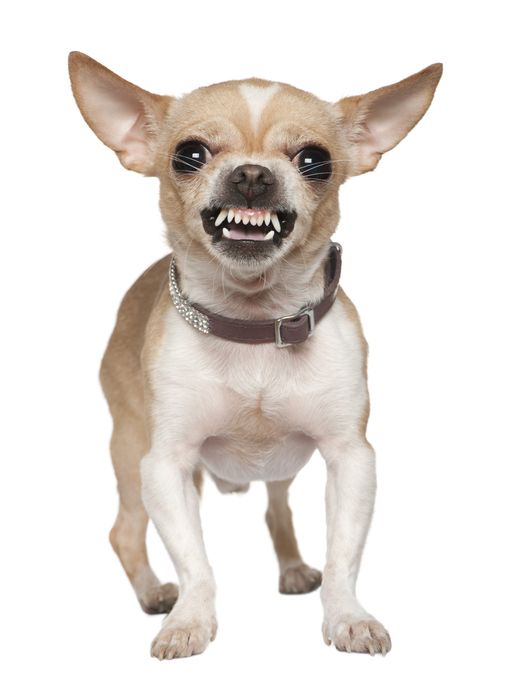
Credit: www.whole-dog-journal.com
Reasons Behind Growling
Growling is a dog’s way to communicate feelings. It often signals a warning or discomfort. Understanding why your dog growls helps to respond properly. Different reasons can cause this behavior. Recognizing the cause is key to managing it safely.
Fear And Anxiety
Dogs growl when they feel scared or anxious. Strange places or loud noises can trigger this. It is their way to say, “I feel unsafe.” Watch for other signs like trembling or hiding. Comfort and calm voices can help reduce fear.
Territorial Behavior
Dogs protect their space by growling. They see their home or yard as their territory. A visitor or strange animal may cause this reaction. It is a natural way to keep their area safe. Respecting boundaries helps prevent growling due to territory.
Pain Or Discomfort
Growling may mean your dog feels pain. Injury or illness often makes dogs irritable. Watch for changes in movement or eating habits. Avoid touching sore spots to prevent bites. A vet checkup is important if growling starts suddenly.
Protective Instincts
Dogs growl to protect loved ones. This includes family members and even toys. They want to stop threats from coming closer. This behavior shows loyalty and care. Training helps control protective growling safely.
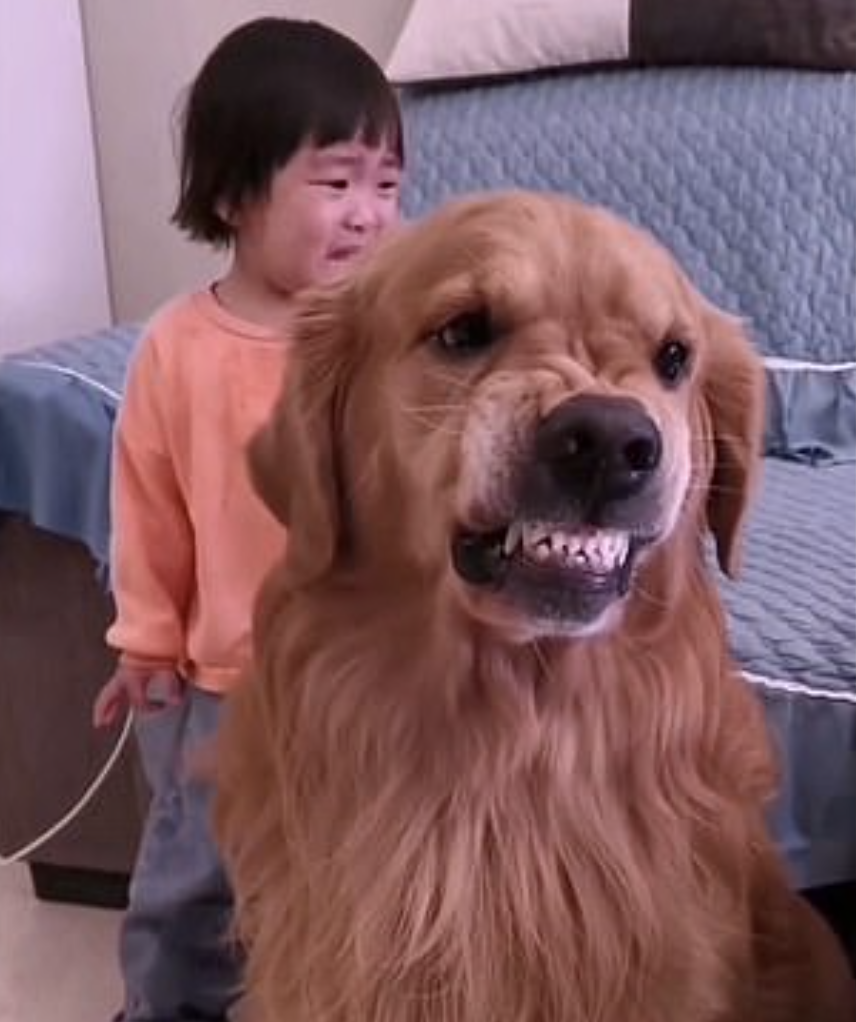
Credit: cooperandkids.com
Reading Your Dog’s Signals
Reading your dog’s signals is key to understanding their feelings. Dogs use many signs to show how they feel. Growling and showing teeth are strong signals. These signs often mean your dog feels scared, angry, or uncomfortable.
Pay attention closely. Learning to read these signals helps keep you and your dog safe. It also builds trust between you both. Let’s explore the main clues to watch for.
Body Language Clues
Your dog’s body tells a story. Watch the position of their ears, tail, and eyes. A stiff body or raised hackles often means tension. Squinting or wide eyes show stress or fear. A tucked tail usually means your dog feels scared. Relaxed muscles and wagging tail mean calmness.
Context Of The Growl
Think about when your dog growls. Is it near their food or toys? Does it happen when strangers approach? Growling at play is different from growling out of fear. The situation helps you understand what your dog wants to say. This makes your response better and safer.
Identifying Triggers
Triggers are things that cause your dog to growl. It might be loud noises, sudden moves, or certain people. Notice patterns in your dog’s behavior. Write down what happens before the growl. Avoiding or gently changing triggers reduces stress for your dog.
Safe Responses To Growling
Responding safely to a dog’s growling and showing teeth is key to building trust. These signs show your dog feels upset or scared. Your reaction can calm your dog or make things worse. Knowing how to respond helps keep both of you safe.
Staying Calm And Composed
Keep your voice soft and steady. Dogs sense your feelings through your tone. Staying calm shows you are not a threat. Avoid sudden moves or loud noises. These can increase your dog’s stress. Breathe slowly and speak gently to soothe your dog.
Avoiding Punishment
Never punish a dog for growling. Growling is a warning, not bad behavior. Punishing can make your dog hide feelings or become aggressive. Instead, observe what causes the growl. Use this information to change the situation safely. Respect your dog’s feelings to build trust.
Giving Your Dog Space
Step back and give your dog room. This helps your dog feel less trapped. Crowding your dog may increase fear or aggression. Let your dog decide when to come closer. Respecting space shows you understand your dog’s needs. This builds a safer bond between you both.
Training Techniques To Reduce Aggression
Training techniques play a key role in reducing dog aggression. They help your dog feel safe and less stressed. Consistent training builds trust between you and your dog. It teaches your dog how to behave calmly. You can use different methods to guide your dog away from growling and showing teeth.
Positive Reinforcement
Positive reinforcement means rewarding good behavior. Give treats or praise when your dog stays calm. This helps your dog learn which actions bring rewards. Avoid punishment as it can increase fear and aggression. Reward calmness often to encourage peaceful behavior. Your dog will want to repeat the good actions.
Desensitization And Counter-conditioning
Desensitization means slowly exposing your dog to triggers. Start with low levels of what causes growling. Pair the trigger with something positive, like treats. Counter-conditioning changes your dog’s emotional response. Teach your dog to feel happy or relaxed instead of scared. Repeat this process in small steps and be patient.
Consistency In Commands
Use the same commands every time your dog misbehaves. Simple words like “sit” or “stay” work best. Consistency helps your dog understand what you expect. Everyone in the household should use the same commands. This avoids confusion and helps your dog learn faster. Clear commands reduce stress and aggressive reactions.
When To Seek Professional Help
Dog growling and showing teeth can be a sign of stress or fear. Sometimes, it signals a deeper problem. Knowing when to seek professional help is important. This ensures your dog stays safe and happy. It also protects people around your pet.
Professional help can guide you on how to handle your dog’s behavior. Experts can find the root cause. They also teach you ways to reduce aggressive behavior. Below are key moments when contacting a professional is necessary.
Behaviorist Consultation
A behaviorist studies your dog’s actions closely. They help with ongoing growling or threats. If your dog growls often or bites, a behaviorist can help. They create a plan to change the dog’s behavior. Training techniques are tailored to your dog’s needs. This support helps reduce fear and aggression safely.
Veterinary Evaluation
Sudden growling can mean pain or illness. A vet checks your dog’s health thoroughly. Medical problems sometimes cause sudden changes in behavior. Infection, injury, or dental pain may cause growling. A vet exam rules out health issues. Treating the illness often calms the aggressive behavior.
Emergency Situations
Growling combined with biting is a serious sign. If your dog hurts someone, get help fast. Emergency professionals can keep everyone safe. Immediate action may be needed for severe aggression. Do not wait if your dog’s behavior worsens quickly. Safety for your dog and family is the top priority.
Preventing Future Growling Episodes
Stopping your dog from growling often means preventing future episodes. Understanding the root causes helps reduce this behavior. Consistent care and attention build trust and calmness. Focus on daily habits that keep your dog happy and relaxed. These practices lower stress and help your dog feel safe.
Regular Socialization
Socialize your dog with other dogs and people. This helps your dog learn good behavior. Start with calm, controlled meetings. Avoid overwhelming situations. Socialization lowers fear and aggression over time. It teaches your dog how to stay calm around others.
Mental And Physical Exercise
Exercise tires your dog out in a good way. Daily walks and playtime are important. Mental games like puzzles also help. A tired dog is less likely to growl. Exercise improves mood and reduces anxiety. Keep routines consistent to help your dog stay balanced.
Creating A Safe Environment
Your dog needs a quiet, safe space to relax. Provide a cozy bed away from noise. Avoid forcing your dog into stressful situations. Respect your dog’s space and signals. A safe environment makes your dog feel secure. This lowers the chance of growling episodes.
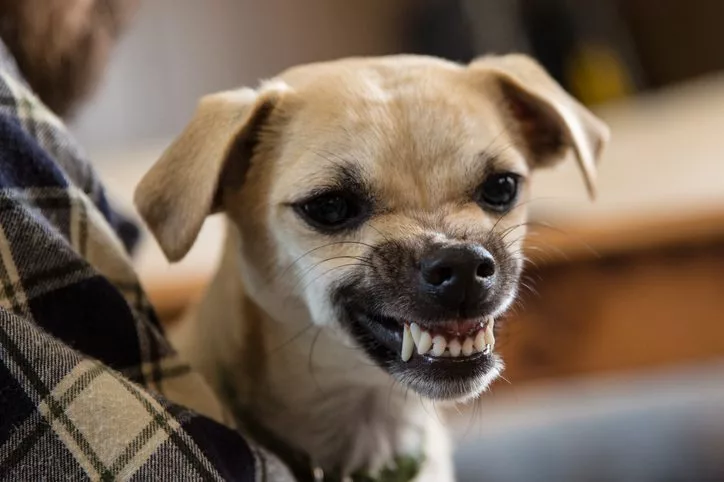
Credit: providencevethospital.com
Frequently Asked Questions
Why Does My Dog Growl And Show Teeth?
Dogs growl and show teeth to warn of discomfort or fear. It’s their way to say “back off. ”
How Can I Safely Approach A Growling Dog?
Move slowly, avoid direct eye contact, and speak softly to avoid scaring the dog more.
What Should I Avoid When A Dog Shows Teeth?
Don’t stare, shout, or reach out quickly. These can make the dog feel more threatened.
Can Growling Mean My Dog Is In Pain?
Yes, growling often signals pain or illness. Check for injuries or signs of sickness.
How Do I Stop My Dog From Growling?
Teach calm behavior with rewards and avoid situations that trigger fear or aggression.
When Should I See A Vet Or Trainer?
Seek help if growling increases or if your dog shows signs of fear or aggression regularly.
Conclusion
Dog growling and showing teeth is a clear sign of discomfort. Always stay calm and give your dog space. Try to find out what causes this behavior. Use gentle training to help your dog feel safe. Patience and care build trust over time.
Seek advice from a professional if needed. Understanding your dog’s feelings makes your bond stronger. Safety and kindness come first when handling growling dogs. Remember, respect your dog’s signals to keep peace at home.
As an Amazon Associate, I earn from qualifying purchases.