If your dog shows signs of aggression, you might feel worried or unsure about how to help. You want your furry friend to be calm, friendly, and happy around others.
The good news is, you can teach your dog to socialize better, even if they’ve been aggressive before. You’ll discover simple, proven steps that make a big difference. By following these tips, you’ll build trust with your dog and create positive experiences for both of you.
Keep reading, and learn how to turn your dog’s aggression into confidence and calmness.
Credit: www.k9ofmine.com
Recognize Aggression Signs
Recognizing signs of aggression in dogs is vital for safe socialization. Aggressive behavior often starts with subtle signals. Noticing these signs early helps prevent problems. It also guides how to approach your dog calmly and carefully. Learning to read your dog’s mood through body language and identifying triggers improves training success.
Body Language Cues
Dogs show aggression through their body language. Watch for stiff posture or raised hackles. A growl or a low, warning bark signals discomfort. Ears pinned back or a fixed stare may mean tension. Lips pulled back to show teeth are clear signs. Tail position matters too; a stiff, raised tail suggests alertness or threat. These cues warn that your dog feels uneasy.
Triggers To Avoid
Certain situations can make a dog aggressive. Loud noises, sudden movements, or crowded places often cause stress. Other dogs or strangers invading their space can trigger fear or defense. Avoid forcing your dog into uncomfortable situations. Respect their limits and create calm environments. Knowing what causes aggression helps you prevent risky encounters.
Prepare For Socialization
Preparing your aggressive dog for socialization is the first step toward positive change. This phase builds trust and reduces fear. Careful preparation helps keep your dog and others safe. It also makes socialization more effective and less stressful.
Create A Safe Environment
Choose a quiet, calm space for initial socialization. Avoid crowded or noisy areas. Limit distractions to help your dog focus. Use barriers or crates to create clear boundaries. Ensure the area is free from hazards. A safe space reduces your dog’s anxiety and risk of aggression.
Gather Necessary Tools
Prepare tools that support control and comfort. Use a strong, comfortable leash and harness. Have treats ready to reward good behavior. Carry a muzzle if your dog may bite. Bring toys to redirect attention if needed. These tools help manage your dog safely and encourage positive interactions.
Start With Controlled Introductions
Starting with controlled introductions helps your aggressive dog feel safe. It reduces stress and prevents fights. You guide your dog slowly into social settings. This creates positive experiences and builds trust.
Controlled introductions give you full control of the situation. You watch your dog’s body language closely. You can stop or change the approach anytime. This step is important before more freedom is allowed.
Use Leash And Distance
Keep your dog on a leash during first meetings. A leash gives you control to prevent sudden moves. Stand far enough from other dogs to avoid tension.
Distance allows your dog to observe without feeling threatened. Gradually, you can close the gap if your dog stays calm. Watch for signs of stress or aggression at all times.
Introduce Calm Dogs First
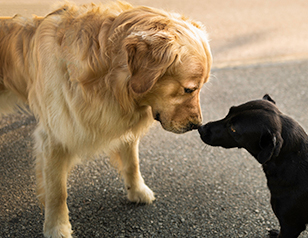
Start by introducing your dog to calm and friendly dogs. Calm dogs help lower stress and show good behavior. They set a peaceful tone for the meeting.
Choose dogs that stay relaxed and avoid aggressive play. This helps your dog learn calm social skills. Keep these meetings short and positive to build confidence.
Credit: www.alphapaws.com
Use Positive Reinforcement
Positive reinforcement helps change an aggressive dog’s behavior gently. It builds trust and encourages good actions. Using rewards creates a safe space for your dog to learn.
This method focuses on praising and giving treats for calm and friendly behavior. It avoids fear and stress, which can make aggression worse. Patience and consistency are key to success.
Reward Calm Behavior
Give treats or praise when your dog stays calm. This shows your dog that peaceful actions bring rewards. Start with small steps, like sitting quietly or ignoring distractions.
Use a soft voice and gentle touch to comfort your dog. Repeating this helps your dog link calmness with positive outcomes. Always reward right away to make the connection clear.
Avoid Punishment
Never yell or hit your dog for aggression. Punishment increases fear and may cause more aggression. It breaks trust and slows down progress.
Focus on guiding your dog, not scaring it. Use calm words and redirect your dog’s attention. This helps your dog feel safe and open to learning.
Gradually Increase Social Exposure
Gradually increasing social exposure helps an aggressive dog feel safer around others. It builds trust and reduces fear. Start slow and watch your dog’s reactions. Patience is key during this process.
Short, Frequent Sessions
Keep social sessions brief to avoid overwhelming your dog. Frequent, short encounters help your dog adjust better. This approach reduces stress and keeps your dog calm. Always end sessions on a positive note.
Vary Social Settings
Expose your dog to different places and people. Parks, quiet streets, or friends’ yards work well. Changing settings teaches your dog to stay calm everywhere. It helps your dog learn new social skills step by step.
Manage Setbacks Effectively
Managing setbacks is key when socializing an aggressive dog. Progress may slow or stop. Your dog might show new signs of fear or aggression. Stay patient and calm. Setbacks are part of the process. Use them to learn what your dog needs.
Recognize Stress Signals
Watch for signs of stress in your dog. These include growling, barking, or stiff body posture. Other signals are lip licking, yawning, or avoiding eye contact. Recognizing these signs early helps you act fast. It stops the situation from getting worse. Stress signals show your dog feels unsafe.
Adjust Approach Accordingly
Change your training if your dog shows stress. Slow down the socialization steps. Use more distance between your dog and others. Give your dog breaks to relax and calm down. Reward calm behavior with treats or praise. Small changes help your dog feel safer. Adjusting your method builds trust and confidence.
Seek Professional Help When Needed
Dealing with an aggressive dog can be tough. Sometimes, the problem is more than a simple fix. Seeking professional help ensures your dog gets the right care. Experts can guide you safely through the socialization process.
Consult Certified Trainers
Certified trainers know how to handle aggressive dogs. They use proven methods to change behavior. Trainers teach you how to build trust with your dog. They also show ways to prevent future aggression. Their experience helps keep both you and your dog safe.
Consider Behaviorists
Behaviorists study why dogs act aggressively. They find root causes like fear or anxiety. Behaviorists create special plans for your dog’s needs. Their approach focuses on long-term changes. This helps your dog become calm around others.
Credit: www.alphapaws.com
Frequently Asked Questions
How Can I Tell If My Dog Is Truly Aggressive?
Look for growling, snapping, biting, stiff body, and intense staring as signs of aggression.
What Is The First Step To Socialize An Aggressive Dog?
Start with calm, controlled introductions in a quiet, safe place without distractions.
How Long Does It Take To Socialize An Aggressive Dog?
Time varies; some dogs improve in weeks, others need months of consistent work.
Can I Socialize An Aggressive Dog Without Professional Help?
Yes, but professional guidance is safer and more effective for serious aggression issues.
What Role Does Positive Reinforcement Play In Socializing Dogs?
Rewards like treats and praise encourage good behavior and reduce fear or aggression.
Is It Safe To Introduce My Aggressive Dog To Other Dogs?
Only after your dog shows calm behavior and under close supervision during introductions.
Conclusion
Socializing an aggressive dog takes time and patience. Start slow and stay calm. Use positive rewards to encourage good behavior. Keep training sessions short and consistent. Always watch your dog’s body language closely. Avoid forcing interactions that cause stress. Small steps lead to big progress.
Trust grows with each positive experience. Your dog can learn to feel safe. Stay patient and keep practicing daily. Soon, you will see a happier, calmer dog.
As an Amazon Associate, I earn from qualifying purchases.