Is your dog constantly barking at strangers, making walks stressful and visits uncomfortable? You’re not alone, and the good news is, you can change this behavior.
Imagine enjoying peaceful walks and calm moments at home without your dog sounding the alarm every time someone new appears. You’ll discover simple, effective steps to help your dog feel more relaxed around strangers—bringing harmony back to your daily life.
Keep reading to find out how you can stop the barking and build a calmer, happier relationship with your furry friend.
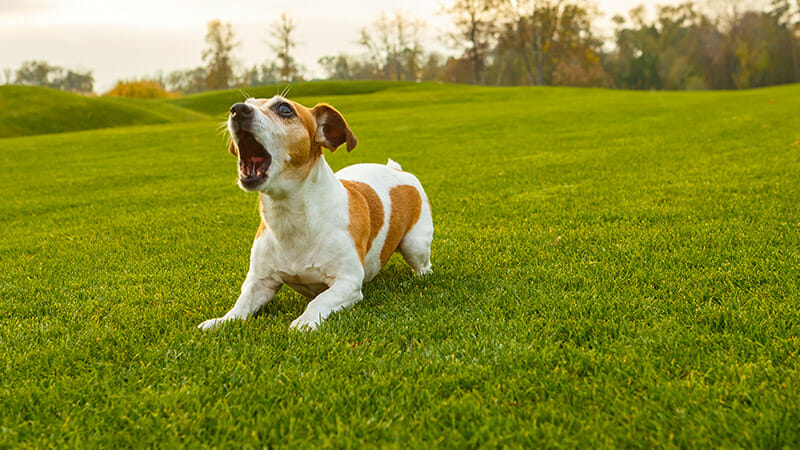
Credit: luckydogbarkandbrew.com
Reasons Dogs Bark At Strangers
Dogs bark at strangers for many reasons. Understanding why helps solve this problem. Each dog has its own triggers. Some bark to protect, others from fear or seeking attention. Social skills also affect barking. Knowing these causes guides better training and care.
Protective Instincts
Dogs see strangers as potential threats. Barking warns to stay away. It is their natural defense. Some breeds are more protective than others. This behavior helps keep their family safe. It is a sign of loyalty and alertness.
Fear And Anxiety
Strangers can make dogs feel scared. Barking is a way to express fear. Anxiety causes them to act nervously. Sudden movements or loud noises increase this fear. A frightened dog barks to protect itself. Comfort and patience help reduce this stress.
Attention Seeking
Dogs sometimes bark to get noticed. They want your focus or playtime. If barking brings rewards, it repeats. This behavior shows their need for interaction. Ignoring unwanted barking teaches better habits. Positive attention encourages calm behavior instead.
Lack Of Socialization
Dogs not used to people bark more. They feel unsure about strangers. Meeting new people slowly helps them adapt. Socialization builds confidence and reduces fear. Proper exposure creates calm and friendly dogs. It is key for good behavior around others.
Training Techniques To Reduce Barking
Training your dog to stop barking at strangers takes patience and consistency. Using the right techniques helps your dog feel calm and less reactive. Training also builds trust and good behavior over time. Focus on clear, simple steps that your dog can learn easily. Here are some effective training methods to reduce barking.
Positive Reinforcement
Reward your dog when it stays quiet near strangers. Use treats, praise, or toys as rewards. This teaches your dog that calm behavior gets good things. Ignore barking to avoid giving attention for bad behavior. Repeat this often to make quietness a habit.
Desensitization And Counter-conditioning
Gradually expose your dog to strangers at a safe distance. Start where your dog feels relaxed. Slowly bring strangers closer over time. Pair this with treats or praise for calm behavior. This changes your dog’s feeling about strangers from fear to comfort.
Teaching The Quiet Command
Teach your dog to stop barking on command. Wait for your dog to bark, then say “quiet” firmly. When your dog stops barking, give a treat right away. Practice this many times daily. Your dog will learn to stop barking when asked.
Redirecting Attention
Shift your dog’s focus from strangers to you. Use toys, commands, or treats to catch attention. Call your dog’s name or ask for a simple trick. This breaks the barking cycle and calms your dog down. Practice this regularly during walks or visits.
Managing Your Dog’s Environment
Managing your dog’s environment plays a big role in reducing barking at strangers. Dogs react to what they see and hear around them. Changing their surroundings helps lower stress and stops barking before it starts.
Small changes can make a big difference. You can control what your dog experiences. This control helps your dog feel calm and safe.
Limiting Exposure To Triggers
Strangers passing by can trigger barking. Limit your dog’s view of busy areas. Close curtains or blinds during peak times. Walk your dog in quiet places. Avoid crowded streets or parks. Less exposure means fewer chances to bark.
Creating Safe Spaces
Dogs need a quiet place to relax. Create a safe space inside your home. Use a crate or a cozy corner. Fill it with favorite toys and blankets. This space becomes a calm retreat. Your dog will feel secure and less anxious.
Using Barriers And Visual Blocks
Barriers stop your dog from seeing strangers. Use baby gates or fences in your yard. Plant bushes or place screens near windows. These blocks reduce visual triggers. Without seeing strangers, your dog barks less.
Tools And Aids To Control Barking
Controlling a dog’s barking at strangers can be challenging. Tools and aids help manage this behavior effectively. They work by redirecting your dog’s focus or discouraging unwanted barking. Choosing the right tool depends on your dog’s size, temperament, and training needs.
Collars And Devices
Collars designed to control barking come in many types. Some use sound or vibration to get your dog’s attention. Others release a harmless spray or mild static correction. These devices discourage barking without hurting your dog. Always select collars made for your dog’s size and age. Use them only as a temporary training aid.
Interactive Toys
Toys that engage your dog’s mind can reduce barking. Puzzle toys keep dogs busy and less anxious. Chew toys help release nervous energy calmly. Interactive toys also provide mental stimulation. They help your dog focus on play, not strangers. Rotate toys to keep your dog interested.
Professional Training Help
Trainers understand dog behavior and barking triggers well. They teach techniques to calm your dog around strangers. Training sessions build good habits and confidence. Professionals also recommend the best tools for your dog. Working with a trainer speeds up progress and keeps training safe. Group classes offer socialization and controlled exposure to people.
Preventing Future Barking Issues
Stopping your dog from barking at strangers starts with prevention. You want to reduce the chances of barking before it becomes a habit. Prevention helps your dog feel calm and safe around new people. It builds trust and good behavior over time. Focus on three key areas to prevent future barking problems.
Regular Socialization
Expose your dog to different people often. Let them meet strangers in calm settings. This helps your dog get used to new faces. Socialization lowers fear and excitement that cause barking. Start with quiet places and small groups. Praise your dog for calm behavior around strangers.
Consistent Training Routine
Set clear rules for your dog every day. Use simple commands like “quiet” and “sit.” Practice these commands in many situations. Consistency helps your dog understand what you expect. Reward good behavior with treats or praise. Avoid yelling, which can make barking worse.
Monitoring Health And Stress Levels
Watch your dog’s health closely. Pain or illness can cause more barking. Keep vet visits regular to catch problems early. Notice signs of stress like pacing or whining. Stress makes dogs bark more at strangers. Help your dog relax with quiet time and comfort.
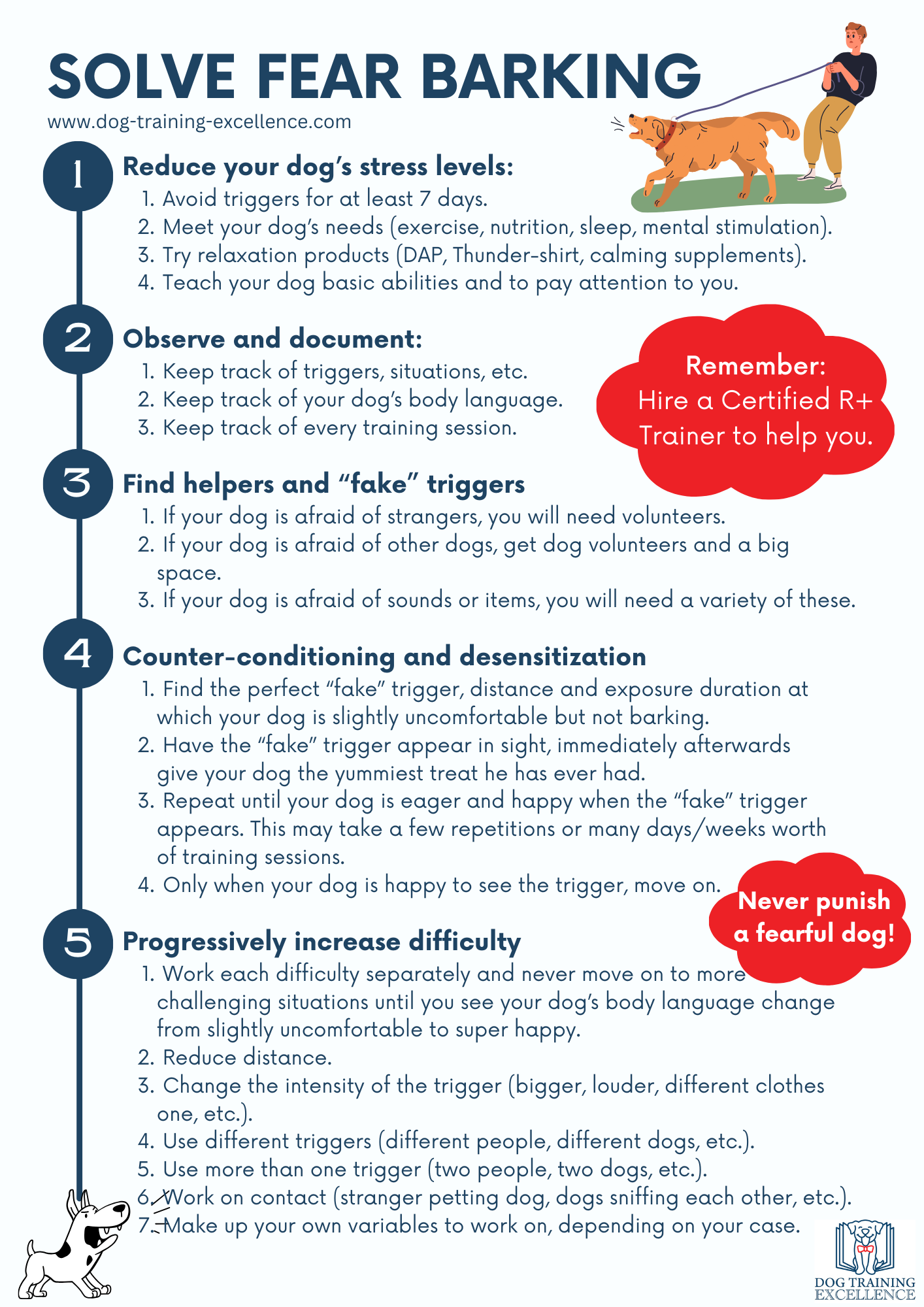
Credit: magneticpolefit.com

Credit: www.ciasp.com.br
Frequently Asked Questions
Why Does My Dog Bark At Strangers?
Dogs bark at strangers to protect their territory or out of fear and anxiety.
How Can I Train My Dog To Stop Barking?
Use calm commands, reward quiet behavior, and practice regular socialization with strangers.
What Role Does Socialization Play In Barking?
Socialization helps dogs get used to new people, reducing fear and unwanted barking.
Can Ignoring My Dog’s Barking Help?
Ignoring barking can teach dogs that barking won’t get attention or rewards.
Should I Use A Bark Collar To Stop Barking?
Bark collars might help, but training and positive reinforcement are safer and more effective.
How Long Does It Take To Stop Barking At Strangers?
With consistent training, dogs can improve in a few weeks to a couple of months.
Conclusion
Stopping your dog from barking at strangers takes time and patience. Use calm training methods and reward good behavior. Teach your dog to focus on you, not the stranger. Practice regularly in different places for best results. Remember, your dog learns from your actions.
Stay consistent and gentle throughout the process. Soon, your dog will feel safer and bark less. Keep training simple and clear. This helps your dog understand what you want. A quiet dog makes walks and visits much more enjoyable.
As an Amazon Associate, I earn from qualifying purchases.