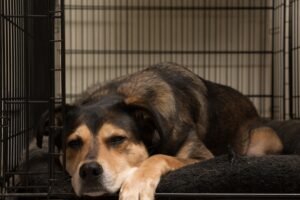
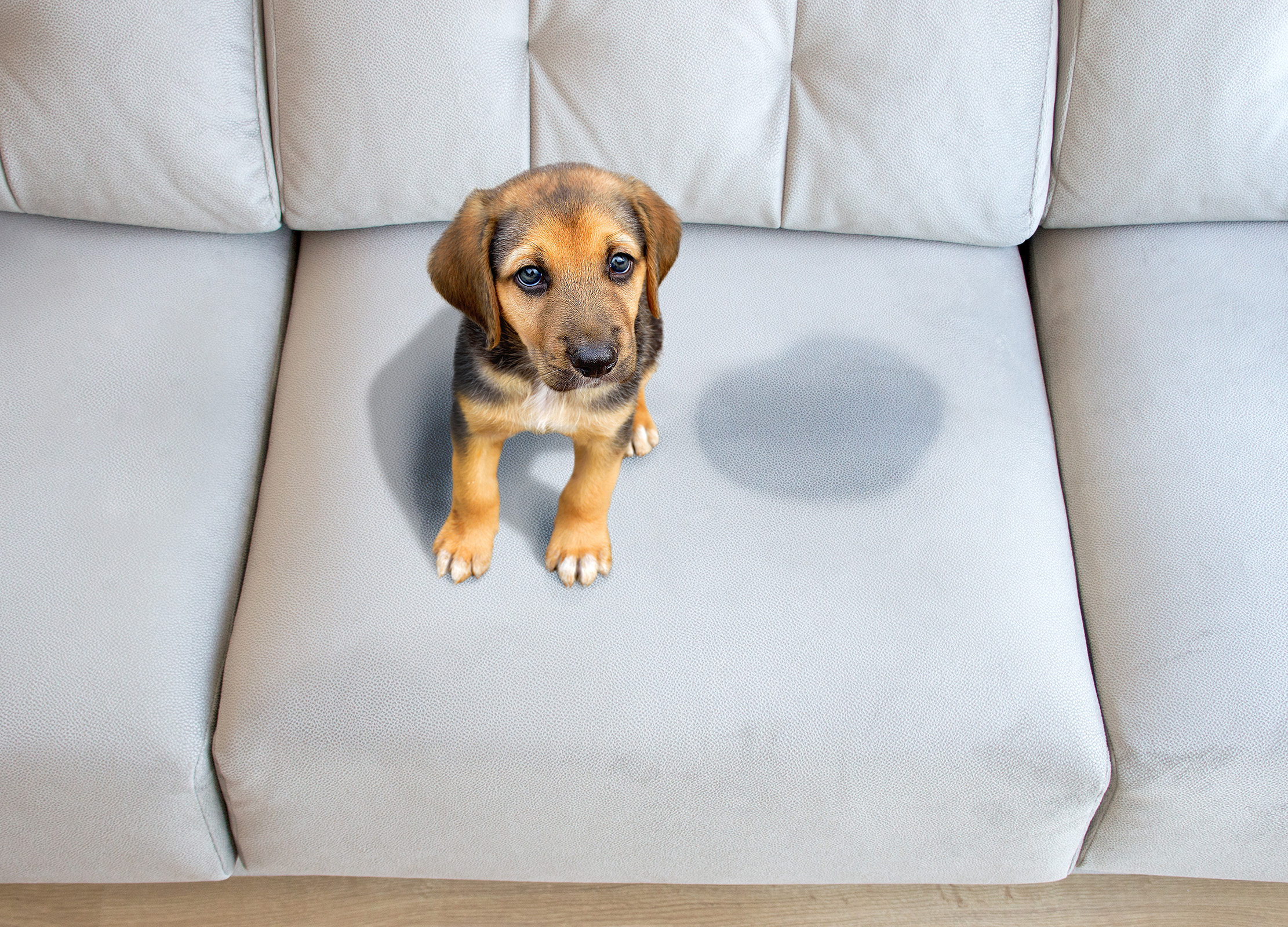
Is your couch becoming your dog’s favorite bathroom spot? You’re not alone, and it can be frustrating to deal with those unexpected wet stains and odors.
But don’t worry—there are simple, effective ways to stop your dog from peeing on your couch for good. You’ll discover easy steps that anyone can follow to protect your furniture and keep your home fresh. Keep reading to find out how you can solve this problem quickly and enjoy your couch again without worry.
Credit: www.countrylife.co.uk
Identify The Cause
Stopping your dog from peeing on the couch starts with understanding why it happens. Dogs do not just pee randomly on furniture. There is always a cause behind their behavior. Identifying this cause helps you solve the problem faster and more effectively.
Medical Issues
Sometimes, dogs pee on furniture because of health problems. Urinary tract infections or bladder issues can cause frequent accidents. Older dogs may have trouble controlling their bladder. Visit a vet to rule out medical causes. Treating health problems often stops unwanted peeing.
Behavioral Reasons
Behavior can also explain why dogs pee on the couch. Stress, anxiety, or boredom may lead to accidents. Dogs left alone for long periods may feel lonely or scared. They use peeing as a way to cope. Understanding your dog’s feelings can help you change their behavior.
Territorial Marking
Dogs mark their territory by peeing. This is more common in male dogs but can happen in females too. New smells or visitors can trigger marking. Your dog tries to show ownership of the area. Stopping marking means managing triggers and training your dog.
Clean The Couch Properly
Cleaning the couch properly is key to stopping dogs from peeing on it again. The smell of urine can attract dogs back to the same spot. Removing all traces of odor helps break this habit. Using the right cleaning products makes a big difference.
Use Enzyme Cleaners
Enzyme cleaners work well on pet urine. They break down the proteins and bacteria in the stain. This removes the smell completely. Spray the cleaner generously on the stained area. Let it sit for the time the instructions say. Then blot the area dry with a clean cloth. Enzyme cleaners are safe for most couch fabrics.
Avoid Ammonia-based Products
Ammonia smells similar to urine. Using ammonia-based cleaners can confuse your dog. It may think the spot is still a bathroom area. This can cause more accidents on the couch. Choose cleaners without ammonia to avoid this problem. Always check the label before buying cleaning products.
Create A Dog-friendly Space
Creating a dog-friendly space helps stop your dog from peeing on the couch. Dogs need a clear place to relax and feel safe. A special area reduces accidents and keeps your furniture clean.
Designing this space with your dog’s comfort in mind makes training easier. It also helps your dog understand where it is okay to rest. This step is important for good habits and a happy pet.
Provide Comfortable Alternatives
Offer your dog soft beds or blankets as a cozy spot. Place these in quiet areas away from heavy foot traffic. Use materials that your dog likes to lie on. This gives your dog a clear choice instead of the couch.
Try different textures like fleece or cotton to find what suits your dog. Add toys or treats to encourage your dog to use the space. Keep the area clean and dry to make it inviting.
Use Barriers Or Covers
Block access to the couch using gates or furniture covers. Barriers stop your dog from jumping on or reaching the couch. Covers protect your furniture from accidents and stains.
Choose covers that are waterproof and easy to wash. Change the covers often to keep the couch smelling fresh. Place barriers gently so your dog feels safe and not trapped.
Credit: nolaninterior.com
Train Your Dog
Training your dog is key to stopping them from peeing on the couch. Dogs learn best through clear guidance and regular routines. Teaching good bathroom habits takes time and patience. Focus on consistent actions and rewards. This creates strong habits and trust between you and your dog.
Positive Reinforcement
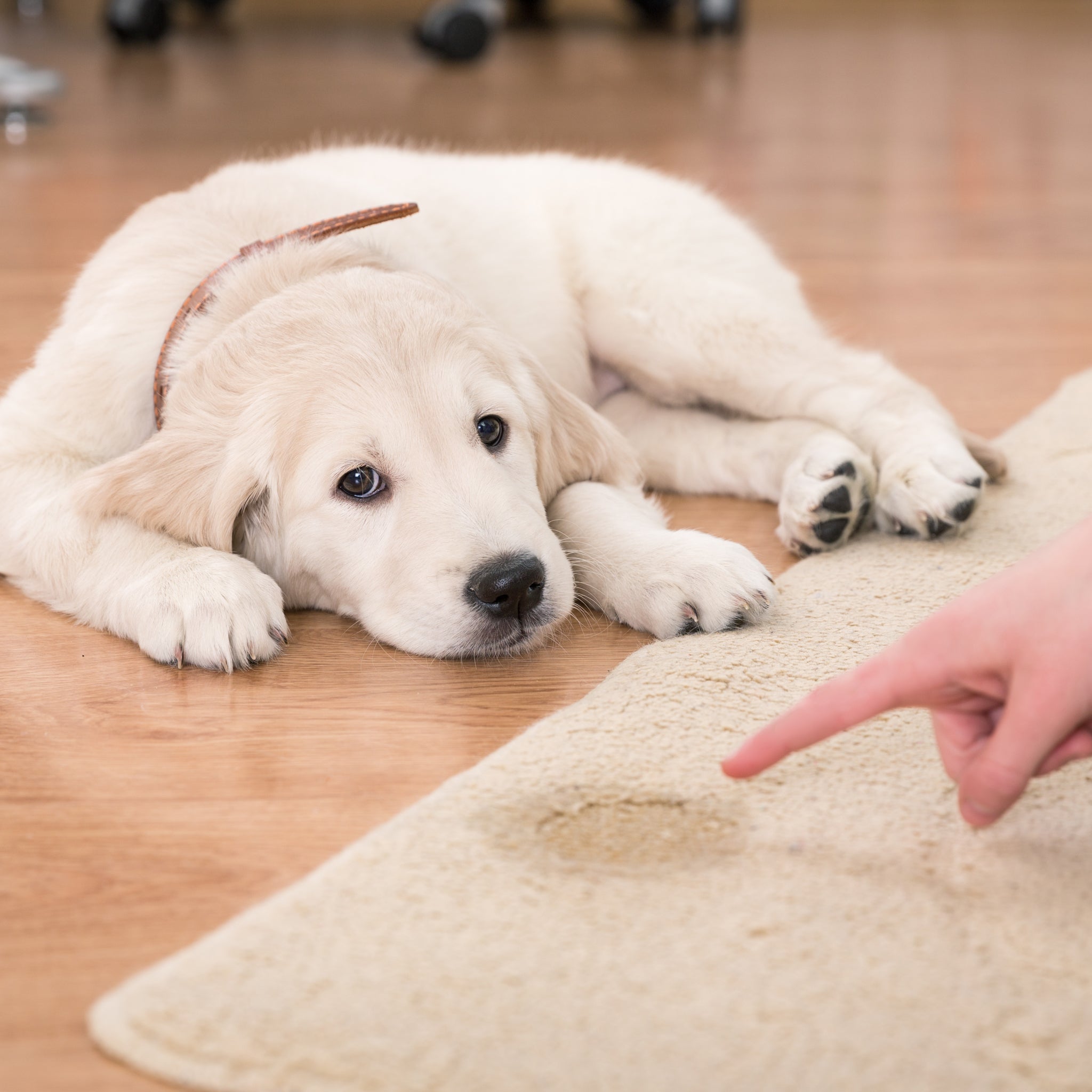
Reward your dog when they pee outside or in the right place. Use treats, praise, or playtime as a reward. This teaches your dog that good behavior brings nice things. Avoid punishment. It can make your dog scared or confused. Positive reinforcement helps your dog want to follow your rules.
Consistent Commands
Use simple and clear commands for bathroom breaks. Words like “go potty” or “outside” work well. Say the same command every time. Consistency helps your dog understand what you want. Repeat the command calmly and firmly. Your dog will learn to associate the words with the action.
Scheduled Bathroom Breaks
Take your dog outside at regular times each day. Set times after meals, naps, and play sessions. Dogs usually need to pee after these activities. Regular breaks reduce accidents inside the house. Stick to a schedule to build a strong habit. Your dog will learn when and where to go.
Manage Anxiety And Stress
Stress and anxiety often cause dogs to pee on furniture. Dogs do not understand why they feel uneasy. They express their feelings through actions like peeing on the couch. Managing stress can help stop this behavior. It also improves your dog’s happiness and health.
Exercise And Mental Stimulation
Exercise helps reduce anxiety in dogs. A tired dog is less likely to act out. Take your dog for walks every day. Play fetch or tug-of-war to burn energy. Mental games also keep your dog’s mind busy. Puzzle toys or training sessions work well. These activities distract your dog from stress.
Calming Products
Calming products can ease your dog’s anxiety. Try products like calming collars or sprays. These contain natural ingredients like lavender or chamomile. They create a peaceful environment for your dog. You can also use calming treats. These help your dog relax during stressful times. Always check with a vet before using new products.
Seek Professional Help
Sometimes, stopping your dog from peeing on the couch needs expert help. Professionals can find hidden problems. They offer clear advice and strong solutions. This help saves time and stress for you and your dog.
Experts check your dog’s health and behavior. They guide you with training methods that work best. Trusting the right professional makes fixing the problem easier and faster.
Veterinarian Consultation
Visit a veterinarian to rule out health issues. Urinary tract infections or bladder problems cause accidents. The vet may run tests to find these problems. Treating medical issues stops the peeing problem at its source. Vets also give advice on diet and care to improve bladder control.
Professional Trainer Assistance
A professional dog trainer helps fix bad habits. Trainers use proven methods to teach your dog. They show you how to reward good behavior. Trainers also identify triggers that cause couch peeing. Working with a trainer builds trust and makes training clear. Trainers guide you step-by-step for lasting results.
Credit: www.humaneworld.org
Frequently Asked Questions
Why Does My Dog Pee On The Couch?
Dogs may pee on the couch due to stress, marking territory, or lack of bathroom training.
How Can I Stop My Dog From Peeing On Furniture?
Use positive training, clean accidents thoroughly, and limit couch access to prevent peeing.
What Cleaning Method Removes Dog Urine Smell From Couches?
Use enzymatic cleaners to fully break down urine and remove the smell.
Can Anxiety Cause Dogs To Pee On The Couch?
Yes, anxiety can lead to unwanted peeing as a stress response.
Should I Punish My Dog For Peeing On The Couch?
Avoid punishment; focus on gentle training and rewarding good bathroom habits.
How Long Does It Take To Train A Dog To Stop Couch Peeing?
With consistent training, dogs can learn proper bathroom habits in a few weeks.
Conclusion
Stopping your dog from peeing on the couch takes time and patience. Consistent training helps your dog learn good habits. Cleaning accidents quickly removes smells that invite repeat behavior. Offering plenty of bathroom breaks supports success. Rewarding your dog for good behavior motivates them to keep trying.
Remember, each dog is different, so stay calm and keep trying. Your couch can stay clean with steady effort and care. Small steps lead to big changes in your dog’s habits. Keep going—you and your dog can fix this together.
As an Amazon Associate, I earn from qualifying purchases.