Do you want your dog to listen to you without constant struggle? Learning how to assert dominance over your dog is key to building respect and harmony in your relationship.
When your dog sees you as the leader, behavior issues drop, and training becomes easier. This article will guide you step-by-step on how to take control calmly and confidently, so your dog knows exactly where they stand. Keep reading, and discover simple, effective ways to become the pack leader your dog needs.

Credit: www.youtube.com
Recognize Canine Behavior
Understanding your dog’s behavior is key to gaining respect and control. Dogs communicate mostly through actions, not words. By recognizing these signals, you can respond appropriately and guide your dog better. This helps build trust and clear leadership.
Paying attention to how your dog acts lets you see who leads the pack. Dogs show dominance through certain behaviors. Knowing these signs helps you stay calm and confident, which dogs respond to well.
Body Language Signals
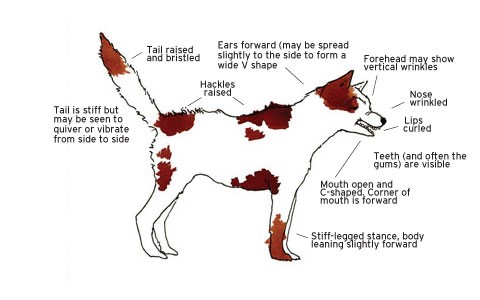
Dogs use body language to express feelings and intentions. Watch their posture, tail, ears, and eyes. A dominant dog often stands tall, with a stiff body and raised tail. Direct eye contact can also show confidence or challenge.
Submissive dogs lower their bodies, tuck their tails, or avoid eye contact. These signs mean they accept your leadership or feel unsure. Recognizing these clues helps you guide your dog gently but firmly.
Common Dominance Traits
Dominant dogs may try to control resources like food, toys, or space. They might growl, snap, or stand over other dogs or people. This behavior shows they want to be top dog.
Dominant dogs often seek attention and test limits. They push boundaries to see what they can get away with. Responding with calm, consistent rules shows you are in charge.
Establish Leadership
Establishing leadership is key to gaining respect from your dog. Dogs need a clear leader to feel safe and secure. Without leadership, dogs may become confused and act out. Showing calm confidence helps your dog understand you are in charge.
Leadership is not about being harsh. It means guiding your dog with patience and consistency. Your dog will follow your lead if you set clear rules and boundaries. This builds trust and a strong bond between you and your dog.
Consistent Rules
Dogs learn best through repetition. Set simple rules and stick to them every day. For example, decide if your dog can jump on furniture and never change your mind. Consistent rules help your dog know what to expect.
Use the same commands for the same actions. This avoids confusion. Praise your dog when it follows rules. Correct gently but firmly if it breaks them. Consistency shows your dog you mean what you say.
Clear Boundaries
Boundaries teach your dog what is allowed and what is not. Use physical limits like gates or leashes to control space. This helps your dog learn where it can go and where it cannot.
Set limits on behavior too. For instance, no biting or barking too much. Be firm and calm when enforcing these limits. Clear boundaries make your dog feel safe and understand its place in the family.
Use Positive Reinforcement
Use positive reinforcement to build a strong bond with your dog. This method helps your dog understand what behavior you want. It encourages good habits and creates trust. Dogs respond well to rewards and praise. Positive reinforcement is gentle and effective for training.
Reward Good Behavior
Give treats, toys, or praise when your dog behaves well. This shows your dog what actions please you. Rewards make your dog want to repeat good behavior. Use a calm voice and pet your dog to show approval. Timing is important; reward your dog immediately after good behavior.
Avoid Punishments
Skip yelling, hitting, or harsh corrections. Punishments can make your dog scared or confused. Fear can harm your relationship and cause bad behavior. Instead, focus on guiding your dog with rewards. Patience and kindness create a confident and happy dog.
Practice Controlled Training
Practice controlled training to build a clear relationship with your dog. It sets the rules and helps your dog understand your role. Consistency and calm control are key to success. Training creates respect and trust between you and your pet.
Start with simple exercises. Keep sessions short and focused. Use firm but gentle commands. Always reward good behavior to encourage learning.
Basic Commands
Teach your dog basic commands like “sit,” “stay,” and “come.” These commands show your dog you lead the pack. Practice each command daily. Use a calm voice and clear words. Reward your dog with treats or praise when they obey. Repeat often to build strong habits. Basic commands help control your dog in many situations.
Leash Control Techniques
Leash control teaches your dog to walk beside you calmly. Hold the leash firmly but not tightly. Use short, quick corrections if your dog pulls. Stop walking when your dog pulls and wait. Start walking only when the leash is loose. This shows your dog that pulling stops progress. Practice in quiet areas before busy places. Good leash control keeps you safe and shows leadership.
Manage Resources
Managing resources is a key part of showing leadership to your dog. Dogs watch how you handle things. They learn who controls what. Taking charge of resources helps your dog feel secure. It also teaches respect and good behavior.
Food And Toys Control
Control your dog’s food and toys. Give food on your terms, not theirs. Hold the bowl or place it down calmly. Let your dog wait until you say “eat.” This shows you decide when they eat.
Toys are also important. Offer toys, but take them back sometimes. This helps your dog understand you control fun things. It stops possessive or aggressive behavior around toys. Sharing toys becomes a sign of trust.
Designated Rest Areas
Set clear resting spots for your dog. A bed or mat is best. Teach your dog to go there when asked. This space becomes their safe place.
Control over rest areas means your dog learns limits. They know when to relax and when to listen. It builds calm and order in your home. Your dog respects your rules and feels calm.
:strip_icc()/dominance-aggression-conflict-aggression-2804567-FINAL-5ba2897ac9e77c005094b3ae.png)
Credit: www.thesprucepets.com
Maintain Calm Assertiveness
Maintaining calm assertiveness is key to showing your dog you are the leader. Dogs respond best to steady and clear signals. Staying calm helps your dog feel safe and understand your control. Assertiveness means being confident without being harsh or loud. This balance builds respect and trust between you and your dog.
Body Posture
Stand tall and relaxed. Avoid slouching or looking tense. Keep your shoulders back and chest open. Face your dog directly without staring. Use slow, deliberate movements to show control. Avoid sudden gestures that may scare your dog. A calm posture tells your dog you are in charge.
Voice Tone
Speak in a firm, steady voice. Use a low and even tone. Avoid yelling or high-pitched sounds. Keep your words simple and clear. Repeat commands with the same tone each time. Your dog will learn to listen when your voice stays calm. A steady voice shows confidence and helps your dog focus.
Handle Challenging Situations
Handling challenging situations with your dog is key to building respect and control. Dogs test boundaries often. Your calm and firm response shapes their behavior. Managing tough moments carefully keeps peace in your home. It also strengthens your role as the leader.
Dealing With Aggression
Aggression can scare owners and dogs alike. Stay calm and avoid yelling. Use a firm voice to show control. Identify triggers that make your dog aggressive. Remove your dog from those triggers quickly. Teach basic commands like “sit” and “stay” to redirect focus. Reward calm behavior with treats or praise. Avoid physical punishment; it can worsen aggression. Seek professional help if aggression continues or worsens.
Preventing Behavioral Issues
Prevention is better than cure. Set clear rules early to guide your dog. Consistency helps dogs understand what is expected. Provide enough exercise to reduce excess energy. Mental stimulation keeps your dog focused and happy. Socialize your dog with other animals and people gently. Watch for signs of stress or anxiety. Address small issues before they grow. Regular training sessions build good habits over time.
Credit: www.sheriffs.org
Frequently Asked Questions
What Is The Best Way To Assert Dominance Over A Dog?
Show calm confidence and set clear rules for your dog to follow daily.
How Do Body Language And Tone Affect Dog Dominance?
Dogs read your body and voice; firm and steady signals build respect.
Can Training Help Establish Dominance With Dogs?
Yes, consistent training with clear commands helps dogs understand your leadership.
Is Physical Punishment Effective For Asserting Dominance?
No, gentle guidance works better; punishment can harm trust and behavior.
How Important Is Routine In Showing Dominance To Dogs?
Very important. A regular schedule helps dogs feel secure and respect your role.
How Can I Stop My Dog From Challenging My Authority?
Stay calm, use firm commands, and reward good behavior consistently to prevent challenges.
Conclusion
Asserting dominance over your dog builds respect and trust. Stay calm and firm in your actions. Consistency helps your dog understand rules clearly. Use clear commands and reward good behavior. Avoid harsh punishments that can cause fear. Patience is key; change takes time.
Your dog will respond better with gentle leadership. This creates a happy and balanced relationship. Keep practicing daily to see real progress. Small steps lead to big improvements. Your dog deserves guidance and care every day.
As an Amazon Associate, I earn from qualifying purchases.