Have you ever felt tiny, itchy bites on your dog and wondered what those pesky fleas actually look like? Knowing what dog fleas look like to the human eye can help you spot them quickly before they take over your pet’s fur and your home.
These little creatures are sneaky and fast, but once you recognize their size, shape, and color, you’ll be ready to act. Keep reading, and you’ll learn exactly how to identify fleas on your dog—and why catching them early makes all the difference for your furry friend’s comfort and health.
Credit: nexgard.com.au
Physical Traits Of Dog Fleas
Dog fleas are tiny creatures that can cause big problems for pets. Knowing their physical traits helps in spotting them early. These traits include their size, shape, color, and body structure. Each detail plays a role in identifying these pests on your dog or around your home.
Size And Shape
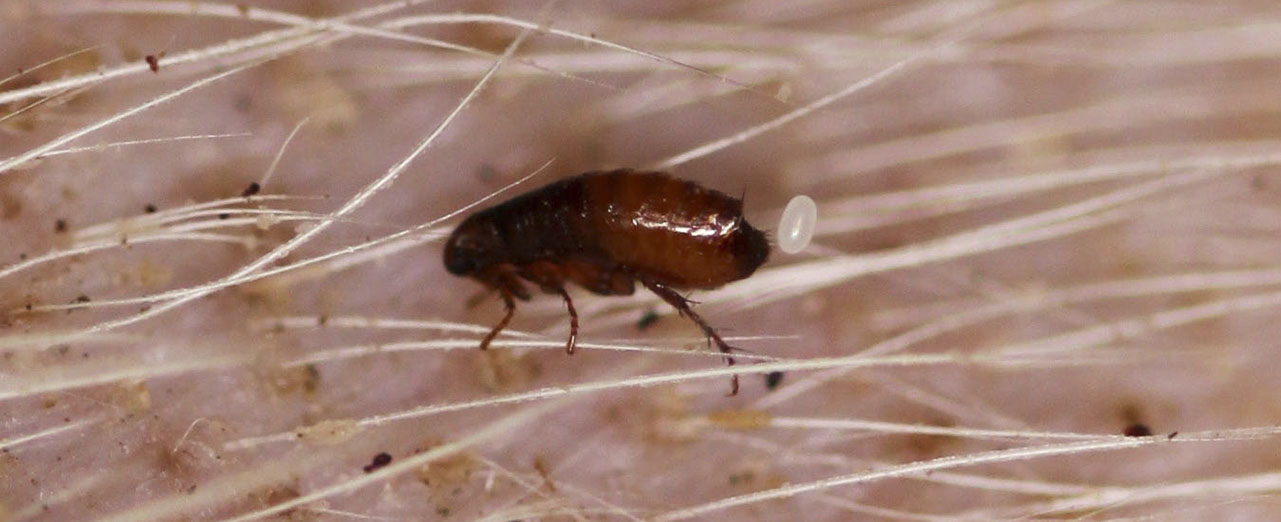
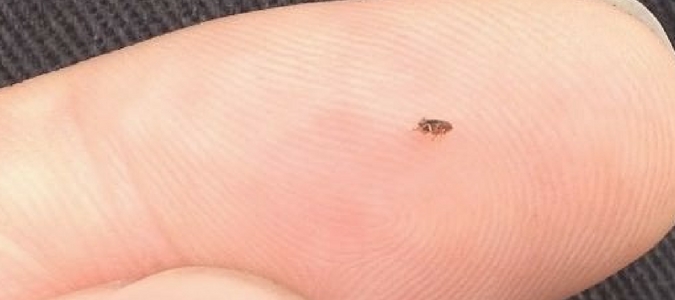
Dog fleas are very small, about 1 to 3 millimeters long. They have a narrow, flattened body that helps them move quickly through fur. This shape also makes it hard to crush them by hand. Their size is close to a sesame seed, making them just visible to the naked eye.
Color Variations
Most dog fleas are dark brown or reddish-brown. Their color can change slightly after feeding on blood, turning a deeper red. This color helps them blend into a dog’s fur. Fleas look shiny and smooth, which can make them hard to spot at first.
Body Structure
Dog fleas have six strong legs designed for jumping long distances. Their bodies are covered with tiny hairs and spines that help them stay attached to fur. The head is small with mouthparts made for biting and sucking blood. Their tough outer shell protects them from damage while moving through fur.
Behavior And Movement
Dog fleas are tiny but very active creatures. Watching their behavior and movement helps us understand how they survive and spread. Fleas use their special skills to move quickly and jump far. These actions make them hard to catch or see clearly.
Jumping Ability
Fleas can jump very high and far for their size. They use strong back legs to leap onto dogs or other hosts. Their jumps can reach over 100 times their body length. This helps fleas move quickly between animals or hide in small places.
Speed And Agility
Fleas move fast and change direction with ease. They crawl quickly through fur to avoid being brushed off. Their small, flat bodies help them slip through tight spaces. Fleas react fast to threats and keep moving to survive.
Feeding Habits
Fleas feed on the blood of dogs and other animals. They bite quickly and often go unnoticed at first. Their mouthparts are designed to pierce skin and suck blood. Fleas feed several times a day to stay alive and lay eggs.
How Fleas Appear On Dogs
Fleas are tiny insects that live on dogs and feed on their blood. They are small but cause big discomfort. To spot fleas, you need to know how they appear on your dog. Fleas move quickly and jump from one place to another.
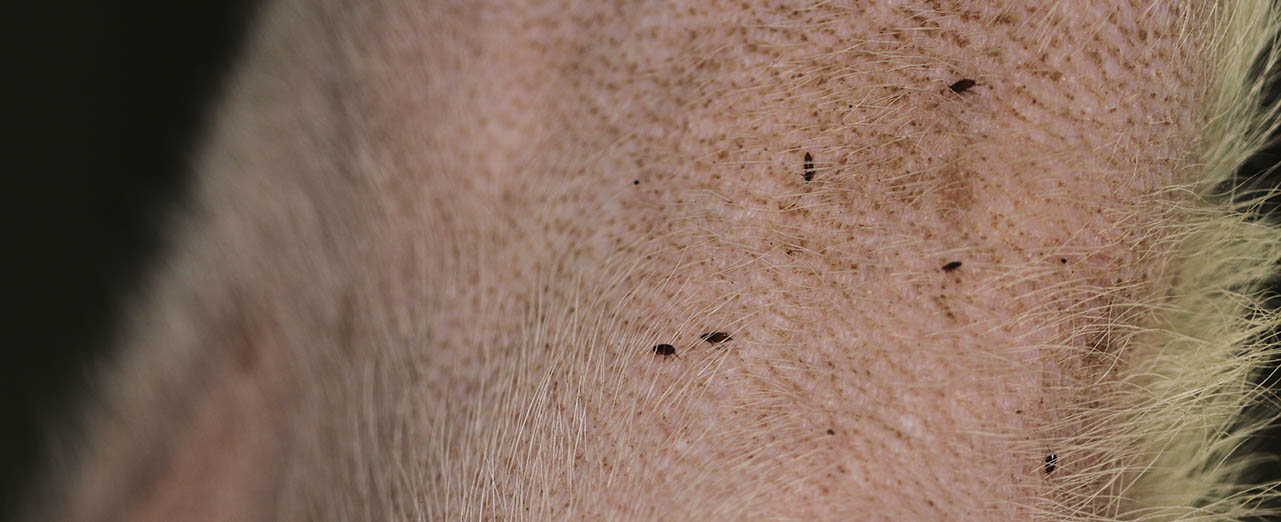
They look like small dark dots on the dog’s skin or fur. Sometimes, you may see them crawling or jumping. Fleas can be hard to spot because they are very small, about 1 to 3 millimeters long. Their color ranges from dark brown to reddish.
Common Infestation Areas
Fleas often gather in warm, hidden spots on dogs. The neck and behind the ears are common places. Fleas also hide near the base of the tail and under the legs. These areas have thinner fur and softer skin, making it easier for fleas to feed.
Signs Of Flea Presence
Dogs with fleas often scratch or bite their skin a lot. You may notice small black specks on the dog’s fur. These specks are flea dirt, which is flea droppings mixed with dried blood. If you wipe the specks on a wet paper, they may turn red, confirming fleas.
Skin Reactions
Flea bites cause redness and small bumps on the dog’s skin. The dog’s skin may look irritated and inflamed. Some dogs develop allergic reactions, causing severe itching and hair loss. If the skin looks raw or scabby, fleas may be the cause.
Detecting Fleas Without Magnification
Detecting fleas on your dog without a magnifying glass can be tricky. Fleas are tiny, but some signs help spot them with the naked eye. You need patience and close observation. This section shares simple ways to find fleas without special tools.
Visual Clues
Fleas are small and fast. They look like tiny brown or reddish dots. They move quickly on your dog’s fur. Flea dirt is another clue. It looks like small black specks on the skin. Flea dirt turns red when wet because it contains dried blood. Keep an eye out for irritated or red skin patches too. Flea bites can cause these spots.
Using Light And Angles
Bright light helps spot fleas easier. Use natural daylight or a strong lamp. Shine the light on your dog’s fur. Look closely at the base of the hair near the skin. Change angles slowly to catch their movement. Fleas jump and move away from the light. This motion helps detect them quickly.
Tools To Aid Detection
A simple comb can help find fleas. Use a fine-toothed flea comb. Comb through your dog’s fur, especially near the neck and tail. Check the comb after each stroke for fleas or flea dirt. A white cloth under the comb catches fleas or dirt falling off. This method makes small fleas easier to see.
Comparing Fleas To Other Parasites
Fleas are tiny parasites that often cause problems for dogs. Many people confuse fleas with other parasites like ticks and lice. Knowing the differences helps in spotting fleas quickly and treating your dog right. This section explains how fleas compare to these common parasites.
Differences From Ticks
Ticks are usually larger than fleas. They have round, flat bodies and eight legs. Fleas have six legs and a more narrow, oval shape. Ticks attach firmly to the skin and swell as they feed. Fleas jump around and do not stay attached as long. Ticks can carry serious diseases, so spotting them early is key.
Distinguishing From Lice
Lice are small but slower than fleas. They crawl on the dog’s fur and do not jump. Fleas are quick jumpers and harder to catch. Lice are visible as tiny bugs close to the skin. Fleas have a shiny, dark brown body. Lice look dull and are usually lighter in color. Both cause itching but need different treatments.
Unique Features Of Fleas
Fleas have strong hind legs for jumping long distances. Their bodies are thin and covered with tiny hairs. Fleas can move fast through fur, making them hard to see. They leave behind flea dirt, which looks like small black specks. This dirt is a clear sign of flea presence. Fleas feed on blood and cause intense itching and discomfort.
Credit: blog.abchomeandcommercial.com
Credit: nexgard.com.au
Frequently Asked Questions
What Size Are Dog Fleas To The Human Eye?
Dog fleas are very small, about 1 to 3 millimeters long, barely visible but can be seen moving.
What Color Do Dog Fleas Appear As?
Dog fleas look dark brown or reddish-brown when seen on your pet or skin.
How Fast Do Dog Fleas Move When Visible?
Dog fleas move quickly and jump fast, making them hard to catch with the naked eye.
Can I See Dog Flea Eggs Without Help?
Dog flea eggs are tiny, white, and usually too small to see without a magnifier.
Where On Dogs Are Fleas Easiest To Spot?
Fleas hide in warm areas like the neck, belly, and behind the ears on dogs.
How To Tell Dog Flea Bites From Other Insect Bites?
Dog flea bites show small red bumps, often in clusters, causing itching and irritation.
Conclusion
Dog fleas are tiny, dark, and fast-moving insects. You can spot them by their size and quick jumps. They often hide in your dog’s fur or bedding. Knowing what fleas look like helps you protect your pet. Treating fleas early stops itching and skin problems.
Keep checking your dog regularly for signs of fleas. This simple step keeps your dog happy and healthy. Fleas may be small, but they cause big trouble. Stay alert and act fast to keep fleas away.
As an Amazon Associate, I earn from qualifying purchases.