If your dog is showing signs of discomfort or avoiding their favorite treats, it might be because of a cavity. You want to help your furry friend feel better without rushing to the vet right away.
The good news is, there are simple steps you can take at home to treat a dog cavity and ease their pain. You’ll discover easy, effective ways to care for your dog’s teeth and keep their smile healthy. Keep reading to learn how you can protect your dog’s dental health and bring back their happy, playful spirit.

Credit: www.wellesleynatickveterinaryhospital.com
Signs Of Dog Cavities
Detecting cavities in dogs early helps prevent serious dental problems. Dogs cannot tell us when their teeth hurt. Owners must watch for signs that suggest dental issues. These signs often appear in behavior and mouth condition. Recognizing these signs allows timely care and relief for your pet.
Behavioral Changes
Your dog may act differently if teeth hurt. Chewing less or dropping food can indicate pain. Reluctance to play with chew toys is common. Dogs might avoid being touched near their mouth. Whining or growling without clear reason can also show discomfort.
Visible Symptoms
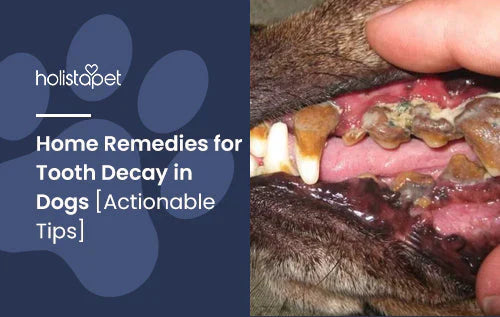
Look inside your dog’s mouth for dark spots on teeth. Brown or black discoloration often signals cavities. Swollen or red gums near the tooth are warning signs. Bad breath that does not go away suggests tooth decay. Broken or loose teeth may also appear in severe cases.
Dental Pain Indicators
Your dog may paw at its mouth or face often. Drooling more than usual can mean pain or irritation. Difficulty eating hard food might be a sign. Head shaking or rubbing face on the floor shows discomfort. Changes in eating speed or favoring one side also suggest dental pain.
Credit: www.holistapet.com
Causes Of Dog Cavities
Dog cavities happen because of several reasons. Knowing the causes helps prevent and treat them early. Dogs can develop cavities just like humans. Certain habits and conditions make cavities more likely. Understanding these causes supports better dental care for your dog.
Diet And Eating Habits
What your dog eats affects their dental health. Sugary and sticky foods can cause cavities. Leftover food bits on teeth feed harmful bacteria. Dry dog food helps reduce cavity risk. Feeding treats high in sugar increases cavity chances.
Poor Dental Hygiene
Not brushing your dog’s teeth leads to cavities. Plaque builds up and hardens into tartar. Tartar damages enamel and causes decay. Regular brushing removes plaque and keeps teeth clean. Skipping dental care allows bacteria to grow unchecked.
Genetic Factors
Some dogs inherit weak teeth or gums. Certain breeds are more prone to cavities. Genetics can affect saliva quality and flow. Poor saliva means less natural cleaning of teeth. Knowing your dog’s breed risks helps in prevention.
Home Remedies For Dog Cavities
Home remedies for dog cavities can help ease discomfort and improve oral health. These natural methods support dental care without harsh chemicals. They are safe to use and easy to prepare at home.
Regular use of home remedies can reduce plaque and fight bacteria. Early care may slow cavity progression and keep your dog’s teeth healthier longer. Always observe your dog’s reaction and consult a vet if problems continue.
Natural Toothpaste Options
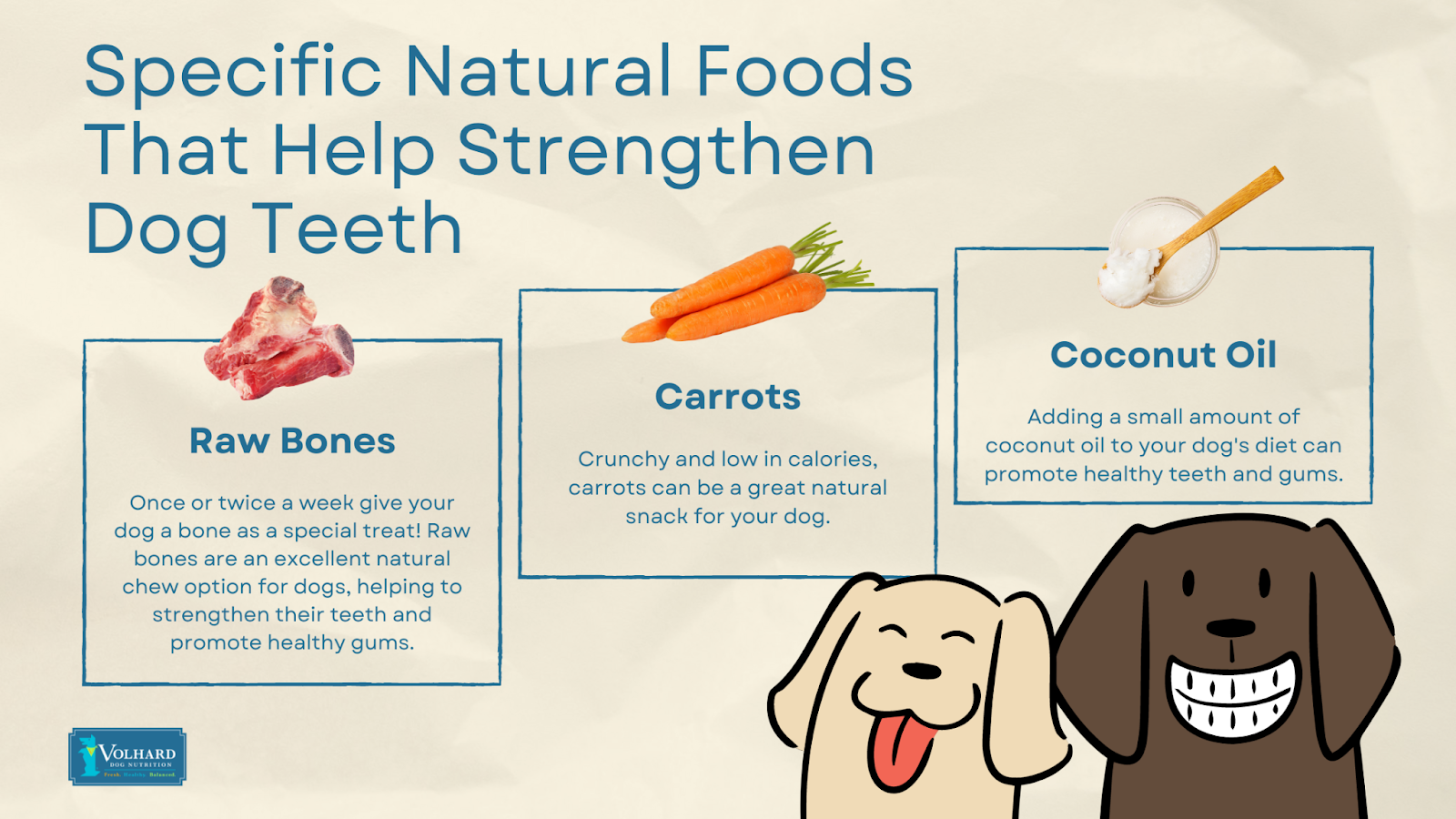
Natural toothpaste for dogs uses safe, gentle ingredients. Baking soda, coconut oil, and parsley are common choices. These ingredients clean teeth and freshen breath without harming gums.
Make a simple paste by mixing coconut oil and baking soda. Brush your dog’s teeth gently with a soft toothbrush. Use parsley to help reduce bad breath and fight bacteria.
Oil Pulling Technique
Oil pulling helps remove bacteria from your dog’s mouth. Use coconut oil because it has antibacterial properties. Rub a small amount on your dog’s teeth and gums daily.
This technique helps reduce plaque buildup and soothes irritated gums. It is a gentle way to support oral health between brushings. Keep sessions short and watch your dog’s comfort.
Homemade Dental Rinses
Homemade dental rinses can clean your dog’s mouth naturally. Mix water with a small amount of apple cider vinegar or chamomile tea. These rinses help kill harmful bacteria and freshen breath.
Use a soft cloth or spray bottle to apply the rinse. Avoid strong flavors or harsh chemicals that can irritate your dog’s mouth. Repeat daily for best results and check for any adverse reactions.
Diet Adjustments To Prevent Cavities
Adjusting your dog’s diet plays a key role in preventing cavities. The right foods can protect teeth and keep gums healthy. Avoiding harmful items and choosing better options helps reduce plaque and decay. Simple changes in treats and snacks support your dog’s dental health every day.
Foods To Avoid
Sugar and starches feed harmful bacteria in your dog’s mouth. Avoid giving sweets, bread, or pasta. Sticky foods can cling to teeth and cause decay. Human snacks like cookies and candy are unsafe for dogs. These foods raise the risk of cavities and gum disease.
Healthy Treat Alternatives
Choose treats made for dental health. Raw vegetables like carrots and celery help clean teeth naturally. Some fruits, like apple slices without seeds, work well too. Look for low-sugar, vet-approved snacks. These options satisfy your dog and protect their teeth.
Incorporating Dental Chews
Dental chews help reduce plaque and tartar buildup. They massage gums and clean teeth during chewing. Pick chews sized for your dog to prevent choking. Use chews regularly as part of your dog’s routine. This simple habit supports strong, cavity-free teeth.
Brushing Techniques For Dogs
Brushing your dog’s teeth is key to stopping cavities at home. It helps remove food, plaque, and bacteria. Good brushing keeps your dog’s mouth healthy and fresh. Learning the right ways to brush can make the process easy and calm for both of you.
Choosing The Right Toothbrush
Pick a toothbrush made for dogs. They have softer bristles and smaller heads. This fits better in your dog’s mouth. Finger brushes work well for small or shy dogs. Always choose a brush that feels comfortable for your dog.
Step-by-step Brushing Guide
Start by letting your dog taste the toothpaste. Use dog-friendly toothpaste only. Gently lift your dog’s lip to see the teeth. Brush in small, circular motions. Focus on the outer teeth where plaque builds most. Brush for about two minutes each time. Keep the mood calm and give praise often.
Establishing A Routine
Brush your dog’s teeth daily or at least three times a week. Pick a quiet time and place. Make brushing part of your daily routine. Consistency helps your dog get used to it. Reward your dog with treats or play after brushing. This builds a positive habit for both of you.
When To See A Vet
Knowing when to see a vet is very important for your dog’s dental health. Home care can help with minor issues, but some problems need expert help. Early vet visits can stop serious pain and infection. Watch your dog closely and act fast if signs get worse.
Signs Of Severe Infection
Look for swelling around the mouth or face. Bad breath that does not go away can mean infection. Your dog may drool more or have trouble eating. Red, bleeding gums or pus near the tooth are warning signs. Fever or lethargy also shows infection may be serious.
Professional Cleaning Needs
Home brushing cannot remove deep plaque and tartar. A vet cleaning uses special tools to clean below the gum line. This helps stop decay and gum disease. Your dog may need anesthesia for a full cleaning. Regular professional care keeps teeth healthy longer.
Pain Management Options
Pain from cavities can make dogs irritable or quiet. Vets can give medicine to ease the pain safely. Never give human painkillers to your dog. Follow the vet’s instructions for all medications. Pain control helps your dog eat and feel better quickly.
Credit: www.volharddognutrition.com
Frequently Asked Questions
What Are The Signs Of A Dog Cavity At Home?
Look for bad breath, difficulty eating, drooling, and visible holes or discoloration on teeth.
Can I Treat A Dog Cavity Without A Vet Visit?
Minor cavities may be managed at home, but vet care is best for proper treatment.
What Home Remedies Help Heal Dog Cavities?
Brushing teeth daily, using dog-safe toothpaste, and giving dental chews can reduce cavity risk.
How Do I Prevent Cavities In My Dog’s Teeth?
Regular brushing, healthy diet, and dental check-ups help keep your dog’s teeth clean.
Is It Safe To Use Human Toothpaste On Dog Cavities?
No, human toothpaste can harm dogs. Use only toothpaste made specifically for dogs.
When Should I See A Vet For My Dog’s Tooth Cavity?
Visit the vet if your dog shows pain, swelling, or if the cavity worsens.
Conclusion
Treating your dog’s cavity at home takes patience and care. Regular brushing helps keep teeth clean and healthy. Use safe, dog-friendly toothpaste for best results. Watch for signs of pain or discomfort daily. A balanced diet supports strong teeth and gums.
Clean teeth can prevent bigger health problems later. Remember, home care is not a full cure. Visit your vet if the cavity worsens or your dog shows signs of distress. Taking these steps can help your dog stay happy and healthy.
Small efforts make a big difference in dental health.
As an Amazon Associate, I earn from qualifying purchases.