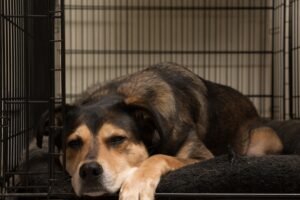
If your dog is dealing with a urinary tract infection (UTI), you want to help them feel better fast. One of the most important things you can do is adjust their diet to support healing and prevent future problems.
But what exactly should you feed a dog with a UTI? You might be wondering which foods can soothe your pet and which ones to avoid. You’ll find simple, clear advice on the best diet choices to help your dog recover quickly and stay healthy.
Keep reading to discover practical tips that make caring for your dog easier and more effective.

Credit: www.youtube.com
Symptoms Of Canine Uti
Urinary tract infections (UTIs) in dogs can cause discomfort and health risks. Recognizing the symptoms early helps in getting timely care. Dogs cannot tell us when they feel pain, so watching their behavior is key.
Symptoms of canine UTI vary but often include changes in urination habits and physical signs. These signs show the infection affects the urinary system. Careful observation helps in identifying the problem quickly.
Frequent Urination
Dogs with UTI may need to urinate more often than usual. They might try to go outside many times but produce only a small amount. This need to urinate frequently is a common sign of infection.
Straining To Urinate
Straining or difficulty when urinating is a clear symptom. Dogs may show signs of pain or discomfort. Sometimes, they might squat for a long time without success.
Blood In Urine
Blood in the urine is a strong sign of UTI. The urine may look pink, red, or brown. This happens because the infection irritates the bladder lining.
Urine Odor And Color Changes
UTI often causes strong or foul-smelling urine. The color may also change to cloudy or dark yellow. These changes indicate infection or inflammation.
Excessive Licking
Dogs may lick their genital area more than usual. This behavior tries to soothe irritation caused by infection. It is a subtle but important symptom.
Behavioral Changes
Infected dogs might seem tired or restless. They could avoid activities or show signs of pain. Some dogs become more clingy or irritable than normal.
Credit: www.houndsy.com
Foods To Soothe A Dog’s Uti
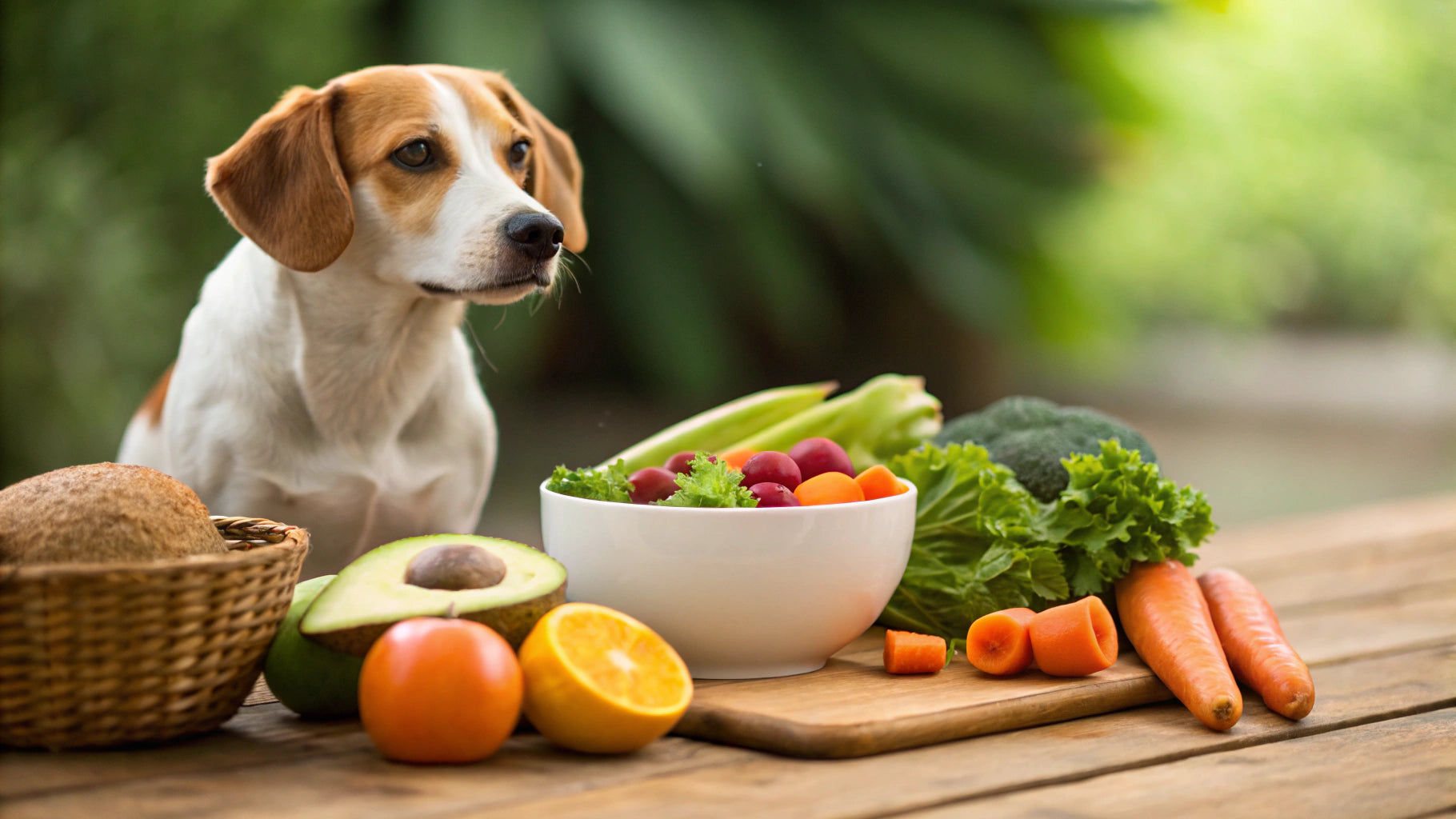
Feeding a dog with a urinary tract infection (UTI) requires care and attention. Certain foods can help soothe the infection and support healing. Choosing the right diet helps reduce discomfort and promotes urinary health. Focus on ingredients that flush the system and support the immune response.
Water-rich Fruits And Vegetables
Water-rich fruits and vegetables help keep your dog hydrated. Hydration is key to flushing out bacteria from the urinary tract. Cucumbers, watermelon, and blueberries are good choices. These foods are gentle and provide extra vitamins and minerals.
Cranberry Benefits
Cranberries contain compounds that may prevent bacteria from sticking to the bladder walls. This helps reduce infection risk and supports healing. Small amounts of fresh or unsweetened cranberry juice can be added to your dog’s food. Avoid cranberry supplements without vet approval.
Probiotics For Urinary Health
Probiotics balance good bacteria in your dog’s gut and urinary system. They improve digestion and boost the immune system. Yogurt with live cultures or probiotic supplements designed for dogs can be helpful. Always check with your vet before starting probiotics.
Lean Protein Options
Lean proteins support your dog’s strength during infection recovery. Skinless chicken, turkey, and fish are excellent sources. Avoid fatty or heavily processed meats that can stress the digestive system. Cook proteins plainly without added salt or spices for best results.
Foods To Avoid During Uti
Feeding a dog with a urinary tract infection (UTI) requires careful food choices. Certain foods can worsen the infection or slow healing. Avoiding these foods helps your dog recover faster and stay comfortable.
High-sodium Foods
High-sodium foods can irritate the bladder lining. Salt forces your dog to drink more water, which can strain the kidneys. Avoid processed meats, salty snacks, and canned foods with extra salt. Fresh, low-sodium meals support healing better.
Artificial Additives
Artificial colors, flavors, and preservatives may cause inflammation. These additives can stress your dog’s immune system during a UTI. Stay away from foods with long ingredient lists filled with chemicals. Natural, simple ingredients are safer and gentler.
Sugary Treats
Sugar feeds harmful bacteria in the urinary tract. Sugary treats can make infections worse and delay recovery. Skip candies, sweetened snacks, and desserts. Choose healthy treats like plain cooked vegetables or lean meats instead.
Homemade Meal Ideas For Uti Relief
Feeding a dog with a urinary tract infection (UTI) requires care and attention. Homemade meals can help ease discomfort and support healing. These meals focus on hydration and gentle nutrition. They avoid ingredients that might irritate the urinary system. Homemade food also lets you control exactly what your dog eats.
Simple Broth Recipes
Broths are easy on the stomach and keep dogs hydrated. Use chicken or beef bones to make a clear broth. Avoid adding salt, onion, or garlic. Simmer bones with water for several hours. Strain the broth well before serving. Offer it warm or cool, depending on your dog’s preference. You can add small pieces of boiled chicken for extra protein. These broths help flush out bacteria from the urinary tract.
Balanced Uti-friendly Meals
Balanced meals include lean protein, vegetables, and grains. Boiled chicken or turkey works well. Mix with cooked pumpkin or sweet potatoes for fiber. Add steamed green beans or carrots for vitamins. Avoid foods high in phosphorus or magnesium. These minerals can worsen urinary issues. Serve in small portions multiple times a day. Fresh water should always be available to help flush the bladder. These meals support healing and maintain your dog’s strength.
Hydration Tips For Dogs With Uti
Hydration plays a key role in helping dogs with urinary tract infections (UTI). Proper water intake flushes out bacteria and soothes the urinary system. Keeping your dog well-hydrated supports faster healing and comfort.
Encouraging your dog to drink more water is essential. Small, frequent sips work better than large amounts at once. Pay close attention to your dog’s water habits and adjust as needed.
Provide Fresh, Clean Water
Always offer fresh and clean water to your dog. Change the water several times a day. Clean water bowls prevent bacteria build-up and encourage drinking.
Use Broths To Increase Fluid Intake
Low-sodium chicken or beef broth can tempt your dog to drink more. Warm the broth slightly for better aroma. Avoid broths with onions or garlic, as they are harmful to dogs.
Offer Water-rich Foods
Include wet dog food or homemade meals with high water content. Cucumbers and watermelon pieces (without seeds) are safe treats. These add extra fluids and help hydration naturally.
Try Ice Cubes Or Ice Chips
Some dogs enjoy licking ice cubes or chips. This can increase water intake slowly. Use plain water ice cubes without added flavors or ingredients.
Monitor Urine Color And Frequency
Clear or light yellow urine shows good hydration. Dark or strong-smelling urine signals dehydration. Track your dog’s bathroom habits and tell your vet if you see changes.
When To See A Vet
Knowing when to see a vet is very important for dogs with a urinary tract infection (UTI). Early treatment can stop the infection from getting worse. Watch your dog closely for any signs of distress or changes in behavior. Acting quickly helps your dog feel better faster and prevents serious problems.
Signs Of Severe Discomfort
If your dog shows strong pain while peeing, visit the vet. Whining, crying, or licking the private area often means discomfort. Difficulty or straining to urinate also needs prompt attention. These signs indicate the infection might be spreading or causing damage.
Changes In Urine Appearance
Look for blood in the urine or cloudy color. These changes can mean the infection is serious. A strong or bad smell from the urine is another warning. If you see these signs, a vet visit is necessary for proper diagnosis and treatment.
Behavioral Changes
Notice if your dog is acting tired or less active. Loss of appetite or vomiting may occur with UTI complications. Sudden changes in mood or energy levels need a vet’s check. These symptoms show the infection might be affecting your dog’s overall health.
When Home Care Fails
If symptoms do not improve after a few days of home care, see the vet. Persistent or worsening signs mean the infection needs medical treatment. Do not wait too long; untreated UTI can cause kidney problems or spread.

Credit: www.amazon.com
Frequently Asked Questions
What Foods Help A Dog With A Urinary Tract Infection?
Wet food and boiled chicken support hydration and ease digestion during a UTI.
Can Cranberry Help Dogs With Urinary Tract Infections?
Cranberry may help prevent bacteria from sticking to the bladder wall, aiding UTI recovery.
Should I Avoid Certain Foods For A Dog With Uti?
Avoid salty, spicy, and sugary foods as they can irritate the bladder.
How Much Water Should A Dog With Uti Drink Daily?
Encourage plenty of fresh water to help flush bacteria from the urinary tract.
Is Homemade Food Better For Dogs With Urinary Tract Infections?
Homemade meals with simple ingredients often help control diet and support healing.
Can Probiotics Improve A Dog’s Urinary Health During Uti?
Probiotics can balance gut bacteria, which may support urinary tract health and immunity.
Conclusion
Feeding a dog with a UTI needs care and attention. Choose foods that help flush out bacteria. Fresh water is very important to keep your dog hydrated. Avoid giving treats that may irritate the bladder. Monitor your dog’s health and changes in behavior closely.
A balanced diet supports healing and comfort. Always ask your vet for specific advice. Small changes can make a big difference in your dog’s recovery. Keep your pet happy and healthy with the right food.
As an Amazon Associate, I earn from qualifying purchases.