If you’re thinking about bringing a rescue dog part Malinois into your home, you’re about to make a life-changing decision. These dogs are smart, loyal, and full of energy, but rehoming one isn’t always simple.
You want to make sure your new companion feels safe and loved from day one. In this guide, you’ll discover practical steps to help your rescue Malinois settle in smoothly. By the end, you’ll know exactly how to create a strong bond and provide the care your dog truly deserves.
Keep reading—your future best friend is counting on you.
Preparing For A Malinois
Preparing to welcome a Malinois rescue dog requires careful thought. This breed is active, smart, and strong. Your home and lifestyle must match their needs. Proper preparation helps your new dog settle in smoothly and happily.
Assessing Your Lifestyle
Malinois need lots of daily exercise and mental challenges. Think about your daily routine. Can you give time for long walks or runs? Do you enjoy outdoor activities? Malinois thrive with active owners. A calm or very busy lifestyle may not suit them well.
Understanding Malinois Traits
This breed is loyal, alert, and protective. They learn commands quickly and love tasks. Malinois can be shy or wary with strangers. Socializing them early is very important. They do best with firm, patient training. Expect a dog that needs clear rules and constant guidance.
Setting Up Your Home
Create a safe, comfortable space for your Malinois. A secure yard is ideal for play and exercise. Remove items that can get damaged or cause harm. Provide toys that challenge their mind and body. Make a quiet area for rest and sleep. Your home should balance activity and calm.
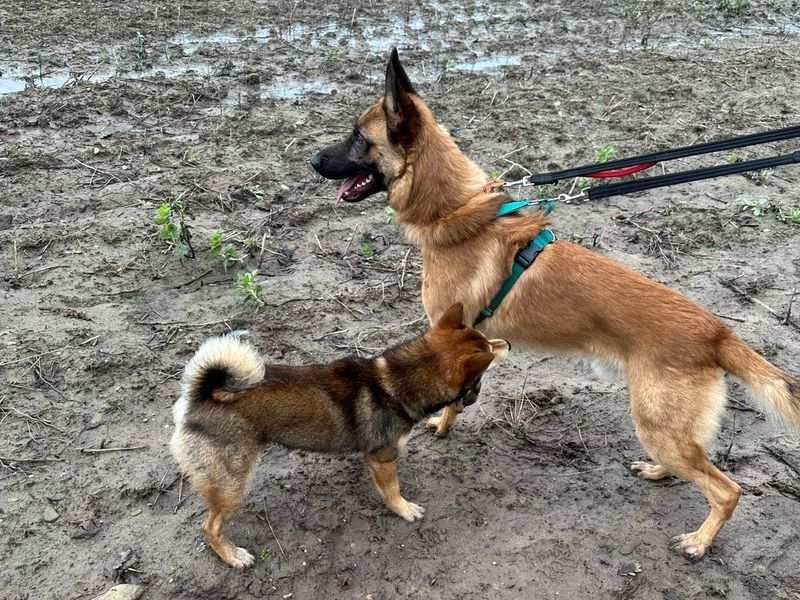
Credit: wilsonhand.com
Finding The Right Rescue
Finding the right rescue is the first step to giving a Malinois a new home. This dog breed needs special care and attention. A good rescue understands these needs. They help match dogs with the best families. Choosing the right place means a better life for your new pet.
Where To Look
Start with breed-specific rescues for Malinois dogs. These groups know the breed well. Local animal shelters may also have Malinois available. Check online directories for rescue organizations. Social media groups can connect you to rescues too. Visit rescues in person to see the environment.
Questions To Ask
Ask about the dog’s health and behavior history. Find out how the dog interacts with people and other animals. Inquire about training and socialization progress. Ask if the rescue offers support after adoption. Learn about the dog’s daily routine and special needs. These questions help you understand the dog better.
Choosing A Reputable Rescue
Pick rescues with good reviews and clear policies. Make sure they require home visits or interviews. A trustworthy rescue is honest about the dog’s history. They should provide veterinary records and care details. Choose rescues that focus on the dog’s well-being. This ensures your Malinois gets the best care.
Evaluating The Dog
Evaluating a rescue dog, especially a Malinois mix, is essential before bringing them home. This step helps ensure the dog fits well with your lifestyle and family. Careful evaluation reduces future problems and builds a stronger bond.
Behavioral Assessment
Observe the dog’s behavior in different situations. Check how it reacts to people, other animals, and new places. Look for signs of fear or aggression. Notice if the dog is calm or overly energetic. Understanding behavior helps predict future needs and training efforts.
Health Checks
Schedule a full health check with a vet. Test for common illnesses and parasites. Check the dog’s vaccination history. Ask about past injuries or health issues. Healthy dogs adapt better to new homes and routines.
Compatibility With Family
Think about your family members and pets. Some Malinois mixes need active families with time for exercise. Consider children’s ages and how the dog interacts with them. Ensure the dog can live safely with other pets. Compatibility means happier life for everyone.
Transitioning Home
Bringing a rescue dog part Malinois home is a special moment. The transition can be a little tough for your new dog. They leave a place they knew and enter a new, unknown space. Patience and care help make this change smooth. Understanding their feelings and needs is key. Helping them feel safe builds trust and comfort.
First Days At Home
The first days are about calm and gentle introductions. Let your dog explore one room at a time. Avoid loud noises and many visitors. Give your dog a quiet space with a bed and toys. Watch their body language to see if they feel safe. Offer water and simple food. Speak softly and avoid sudden movements. These steps help your dog start to feel at home.
Establishing Routines
Dogs like routine; it makes them feel secure. Feed your dog at the same times each day. Walk them regularly to burn energy and explore. Set fixed times for play, rest, and bathroom breaks. Consistent routines reduce stress and confusion. Use the same commands and signals. Routines help your dog learn what to expect. This builds confidence and eases adjustment.
Managing Separation Anxiety
Many rescue dogs feel lonely when left alone. They may bark, chew, or feel scared. Start with short separations and increase slowly. Leave a toy or piece of your clothing for comfort. Avoid long goodbyes; keep them calm and brief. Create a safe space like a crate or quiet room. Practice leaving and returning calmly. These methods reduce anxiety and build trust over time.
Training And Socialization
Training and socialization are key to helping a rescue Malinois adjust well. These dogs are smart and full of energy. They need clear guidance to feel safe and happy.
Starting training early sets good habits. Socializing helps them trust people and other animals. Both help your Malinois become a balanced pet.
Basic Commands
Teach simple commands like sit, stay, and come. Use short words and repeat often. Reward with treats or praise. Keep training sessions short but frequent. This builds trust and respect.
Mental And Physical Exercise
Malinois need both mental and physical activity every day. Give puzzles or toys that challenge their mind. Take long walks or run in a safe area. Exercise helps reduce stress and bad behavior.
Socializing With People And Pets
Expose your dog to different people and pets gently. Let them meet calm animals first. Use positive words and treats during meetings. Socializing reduces fear and aggression. It helps your dog feel part of the family.

Credit: amazingdogsrescue.org
Ongoing Care
Ongoing care is key for a rescue dog part Malinois. This breed needs special attention to stay healthy and happy. Caring for them goes beyond the first few days. It includes proper diet, regular vet visits, and watching their behavior closely. These steps help your dog adjust well to their new home.
Diet And Nutrition
Feed your Malinois a balanced diet. High-quality dog food with the right nutrients supports their energy and health. Avoid giving too many treats or human food. Fresh water should always be available. Consult your vet for the best diet plan for your dog’s age and activity level.
Regular Vet Visits
Schedule vet visits regularly. These checkups keep vaccinations up to date. The vet can spot health issues early. Regular visits help manage any chronic conditions. Keep a record of all vaccinations and treatments. Early care can prevent serious problems later.
Monitoring Behavior Changes
Watch your dog’s behavior closely. Changes can signal health or emotional problems. Look for signs like aggression, fear, or withdrawal. Sudden changes in appetite or energy also matter. Note any unusual actions and tell your vet. Early attention helps your dog feel safe and loved.
Common Challenges
Rehoming a rescue dog part Malinois brings joy and challenges. These dogs are smart and active but need special care. Understanding common challenges helps create a happy home for your new pet.
Handling High Energy Levels
Malinois mixes often have very high energy. They need lots of exercise to stay calm. Without enough activity, they can become restless or destructive. Daily walks, playtime, and mental games are key. Consistent routine helps manage their energy well.
Dealing With Fear Or Aggression
Some rescue dogs show fear or aggression at first. This reaction comes from past trauma or stress. Patience is important for building trust. Avoid punishment; use gentle training and positive rewards. Professional help can guide you through tough behavior.
Adjusting To New Environments
New homes can feel strange and scary for rescue dogs. They need time to explore and feel safe. Keep a quiet space for them to relax. Gradually introduce new sounds and people. Stability and calmness make adjustment easier and faster.

Credit: www.goodhousekeeping.com
Frequently Asked Questions
What Is A Malinois Rescue Dog?
A Malinois rescue dog is a Belgian Malinois found in shelters or rescue groups.
How To Prepare For Adopting A Malinois Rescue?
Create a safe space, buy supplies, and learn about the breed’s needs.
What Are Common Challenges With Malinois Rescues?
They need lots of exercise, mental work, and consistent training.
How To Help A Malinois Adjust To A New Home?
Use patience, routine, and positive training to build trust and comfort.
What Health Checks Are Important For Malinois Rescues?
Check vaccinations, parasites, and look for signs of injury or illness.
Where To Find A Rescue Malinois Dog?
Look at local shelters, breed-specific rescues, and online adoption sites.
Conclusion
Rehoming a rescue Malinois takes patience and care. Each dog has its own story and needs. Spend time learning about their behavior and health. Create a safe, loving space for them at home. Training and gentle guidance build trust over time.
Enjoy the bond you create together every day. Rescue dogs bring joy and loyalty to your life. Taking these steps helps your Malinois adjust well. A happy dog makes a happy family.
As an Amazon Associate, I earn from qualifying purchases.