If you’ve ever wondered, “How long does dog dental cleaning take?” you’re not alone. You want your furry friend to have a healthy smile, but you might be worried about how much time the process will take—and how your dog will handle it.
Understanding the length of a dental cleaning can help you prepare and ease any concerns. You’ll discover exactly what affects the timing, what happens during the cleaning, and how to make the experience as smooth as possible for your pet.
Keep reading to learn everything you need to know about your dog’s dental care.
Dental Cleaning Process
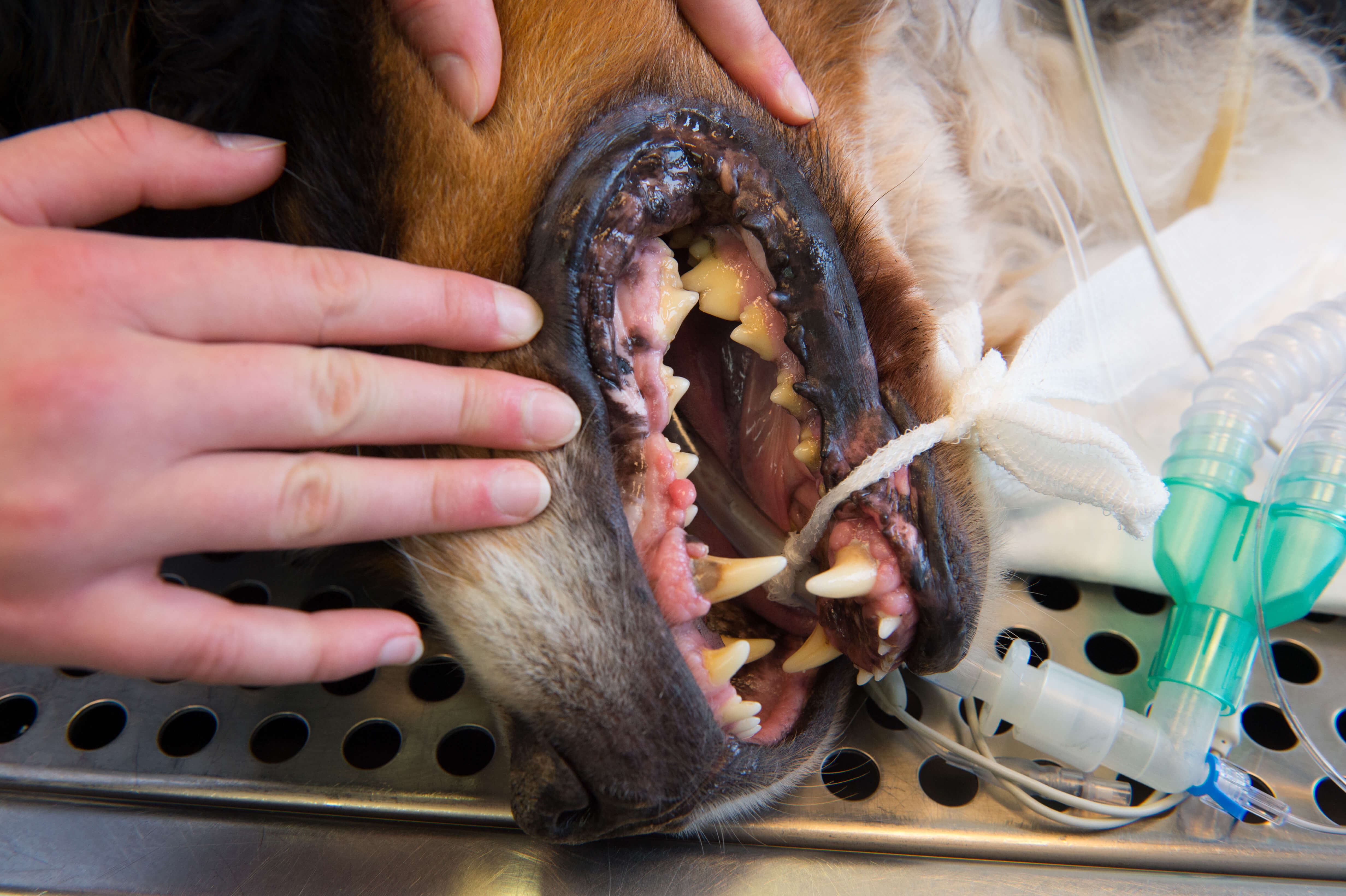
The dental cleaning process for dogs is thorough and carefully planned. It helps keep your pet’s teeth healthy and prevents serious problems. Each step is important to ensure safety and effectiveness. Understanding this process can ease your worries about the time involved.
Pre-cleaning Examination
The vet starts with a full check of your dog’s mouth. They look for signs of infection, damage, or loose teeth. This exam helps decide the best cleaning method. It also checks your dog’s overall health before any procedure.
Anesthesia And Safety Measures
Dogs usually receive anesthesia to stay calm and still. This keeps them safe and pain-free during cleaning. The vet monitors heart rate and breathing closely. Safety is the top priority throughout the process.
Scaling And Polishing Steps
The vet removes plaque and tartar from teeth using special tools. They clean above and below the gum line. After scaling, the teeth get polished to smooth their surfaces. This helps stop plaque from building up quickly again.
Time Factors
Several factors affect how long dog dental cleaning takes. Each dog is unique, and the cleaning process adapts to their needs. Understanding these factors helps owners prepare for the appointment. The time can vary from short to longer sessions.
Dog Size And Breed
Small dogs usually need less time for dental cleaning. Their mouths are smaller, so cleaning is quicker. Large dogs have bigger teeth and more area to clean. Some breeds have crowded teeth that need extra attention. Breed traits can affect how long the cleaning lasts.
Severity Of Dental Issues
Mild dental problems take less time to fix. If tartar or plaque is light, cleaning is faster. Severe dental disease needs more care and time. Dogs with infections or broken teeth require longer sessions. The vet may need to do extra treatments, increasing the cleaning time.
Age And Health Condition
Older dogs often need more careful and slower cleaning. Their gums can be sensitive or fragile. Dogs with health problems may need breaks during cleaning. Healthy young dogs usually tolerate cleaning well and faster. The vet adjusts the time based on the dog’s overall health.
Typical Duration
Understanding the typical duration of a dog dental cleaning helps pet owners plan their visit. The time varies based on the dog’s needs and the procedures involved. Knowing what to expect eases any concerns about the process.
Average Cleaning Time
A standard dog dental cleaning usually lasts between 30 to 60 minutes. This includes scaling, polishing, and a thorough oral exam. Most dogs complete the cleaning in under an hour.
Extended Procedures
Sometimes, extra work is needed. If your dog has severe tartar or gum disease, the cleaning might take longer. Additional treatments like tooth extractions or deep cleaning can add time. These cases may extend the procedure to 90 minutes or more.
Recovery Period
After cleaning, dogs often rest for a few hours. The vet may use anesthesia, which requires monitoring. Most dogs recover quickly and feel better within a day. Following vet instructions helps ensure a smooth recovery.

Credit: revelvet.com
Home Dental Care Tips
Keeping your dog’s teeth clean at home helps reduce vet visits. Good home care can slow plaque and tartar build-up. This care supports your dog’s overall health and fresh breath. Here are simple tips to keep your dog’s mouth healthy every day.
Daily Brushing Techniques
Brush your dog’s teeth daily for best results. Use a soft-bristled toothbrush made for dogs. Apply a small amount of dog-friendly toothpaste. Start slowly to help your dog get used to brushing. Focus on the outside of the teeth. Brush gently in small circles. Be patient and calm during the process.
Dental Chews And Toys
Give your dog dental chews to help clean teeth. These chews reduce plaque and massage gums. Choose chews that fit your dog’s size and chewing style. Offer dental toys designed to scrape off plaque. Replace worn toys often to keep them effective. Always supervise your dog with new chews and toys.
Regular Vet Checkups
Schedule regular vet visits to check your dog’s dental health. Your vet can spot early problems before they worsen. Professional cleanings may be needed depending on your dog’s needs. Discuss home care tips with your vet for better results. Keeping up with checkups supports a healthy smile.
Signs Of Dental Problems
Dental problems in dogs often go unnoticed until they become serious. Early signs can help you catch issues fast. Knowing these signs can save your dog from pain and costly treatments. Watch closely for changes in breath, behavior, and physical traits.
Bad Breath Indicators
Bad breath is one of the first signs of dental trouble. A foul smell from your dog’s mouth can mean plaque buildup. It could also signal gum disease or infection. Fresh breath should not turn sour or rotten. Regularly check your dog’s breath to spot problems early.
Behavioral Changes
Dogs with dental pain may act differently. They might eat less or drop food while chewing. Some dogs avoid toys or treats that need biting. You may see your dog paw at the mouth or face. These changes often mean discomfort or pain inside the mouth.
Physical Symptoms
Look for red or swollen gums around your dog’s teeth. Bleeding gums during chewing or brushing is a warning sign. Yellow or brown teeth stains can show tartar buildup. Loose or missing teeth also point to dental disease. Check for lumps or bumps inside the mouth, too.

Credit: mainelyvetdentistry.com
Credit: www.embracepetinsurance.com
Frequently Asked Questions
How Long Does A Typical Dog Dental Cleaning Take?
A standard dog dental cleaning usually takes about 30 to 60 minutes.
Does Dog Size Affect Dental Cleaning Duration?
Yes, larger dogs often need longer cleaning times than smaller dogs.
What Factors Influence The Time For Dog Dental Cleaning?
The dog’s dental health and the amount of tartar affect cleaning time.
Is Anesthesia Time Included In Dog Dental Cleaning Duration?
The cleaning time usually does not include anesthesia preparation and recovery.
Can A Dog’s Behavior Change The Length Of Dental Cleaning?
Nervous or uncooperative dogs may need more time for a safe cleaning.
How Often Should Dog Dental Cleanings Be Scheduled?
Most dogs need dental cleaning once a year to maintain oral health.
Conclusion
Dog dental cleaning usually takes about 30 to 60 minutes. The time depends on your dog’s size and dental health. Regular cleanings help keep your dog’s teeth healthy and prevent problems. A quick checkup can spot issues early. Plan your visit with your vet to avoid surprises.
Healthy teeth mean a happy dog. Keep up with dental care at home too. Simple steps make a big difference in your dog’s smile. Regular visits and care keep your dog comfortable and pain-free.
As an Amazon Associate, I earn from qualifying purchases.