Has your furry friend been acting a little off lately? Maybe they’re chewing less or seem uncomfortable when you touch their mouth.
These could be signs that your dog is dealing with tooth pain. But how can you tell for sure? Knowing the clues to spot tooth pain early can save your dog from unnecessary suffering and costly vet bills. Keep reading, because understanding your dog’s dental health is easier than you think—and your pet will thank you for it.
Common Signs Of Tooth Pain
Dogs cannot tell us when their teeth hurt. We must watch their behavior carefully. Tooth pain in dogs shows through clear signs. Knowing these signs helps catch problems early. Early care can stop pain and prevent infection.
Changes In Eating Habits
A dog with tooth pain may eat less. It might avoid hard food or chew on one side. Some dogs drop food while eating. They may seem less interested in treats. Watch for slow eating or refusal to eat.
Drooling And Pawing At Mouth
Excessive drooling can signal tooth pain. Dogs often paw at their mouth when hurting. They may try to rub their face on furniture. Notice if your dog shakes its head frequently. These actions show discomfort inside the mouth.
Bad Breath
Bad breath can mean tooth or gum issues. Pain and infection often cause a foul smell. This smell is stronger than usual dog breath. Check your dog’s mouth for visible signs. Persistent bad breath needs attention from a vet.
Swelling And Redness
Swelling around the mouth is a serious sign. The gums may look red and inflamed. Swelling can happen near a damaged tooth. Sometimes, the face looks puffy on one side. These signs point to infection or abscess needing care.

Credit: www.wedgewood.com
Behavioral Changes To Watch For
Dogs often hide pain well, but changes in behavior can reveal discomfort. Tooth pain affects their mood and daily habits. Watch closely for signs that show your dog may be hurting. These clues help you act fast to ease their pain.
Irritability And Aggression
A dog in tooth pain may snap or growl more than usual. Small touches near the mouth can trigger a strong reaction. This irritability shows discomfort and fear. It’s a signal that something is wrong inside their mouth.
Reluctance To Play
Playtime can become less fun for a dog with tooth pain. They might avoid chewing toys or running around. This loss of interest in games often means they feel pain. Notice if your dog stops enjoying favorite activities.
Sleeping More Than Usual
Tooth pain can make dogs tired and less active. They may sleep longer or rest more during the day. This change helps them cope with the discomfort. Extra sleep is a quiet sign of oral pain in dogs.
Physical Symptoms On The Teeth And Gums
Physical symptoms on the teeth and gums often show if a dog has tooth pain. These signs are easy to spot during a close look at your dog’s mouth. Noticing these symptoms early helps your pet get quick care. Watch for changes in teeth and gums that look unusual or painful.
Loose Or Broken Teeth
Loose or broken teeth can cause sharp pain in dogs. Teeth may wobble or fall out easily. Your dog might avoid chewing or drop food while eating. Check for cracks or missing parts on the teeth surface. These issues often mean the tooth is damaged or infected.
Bleeding Gums
Bleeding gums signal irritation or infection. You might see blood when your dog chews or after a gentle touch. Gums may look red, swollen, or tender. Healthy gums should be pink and firm. Bleeding gums often point to gum disease or injury.
Visible Tartar And Plaque
Tartar and plaque build-up looks like yellow or brown layers on teeth. These deposits make teeth feel rough and dirty. They trap bacteria, causing bad breath and pain. Heavy tartar can lead to gum inflammation and tooth decay. Regular checks can help spot these signs early.
How To Perform A Basic Oral Check
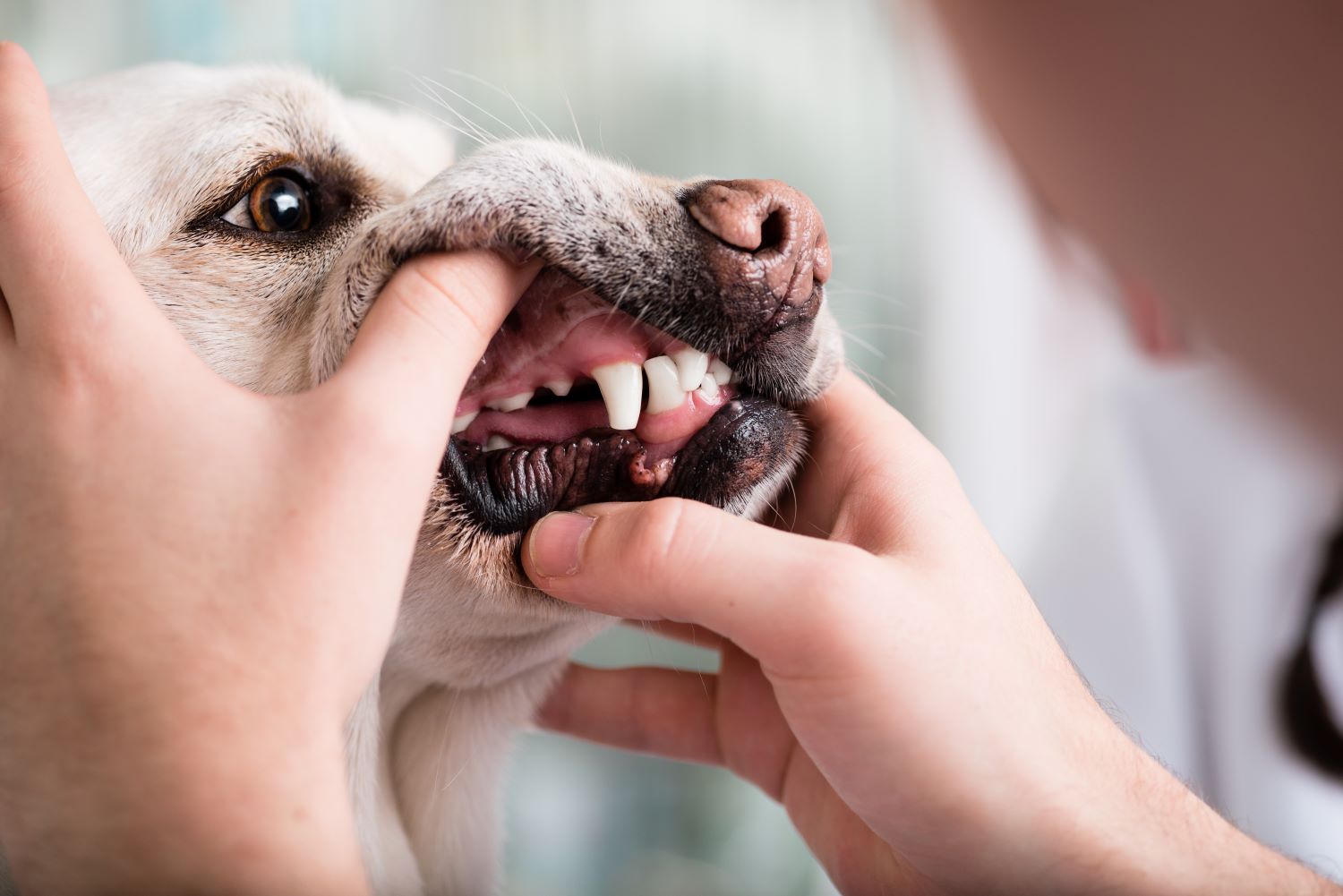
Performing a basic oral check on your dog helps spot tooth pain early. This simple exam lets you see signs of discomfort or dental problems. Regular checks keep your dog’s mouth healthy and pain-free. Follow these steps to safely inspect your dog’s teeth and gums.
Safe Handling Techniques
Keep your dog calm before starting the check. Use a quiet room with little noise or distractions. Sit beside your dog or have them on your lap. Gently hold your dog’s head using both hands. Speak softly to keep them relaxed. Avoid sudden moves that might scare your dog. Use treats to reward good behavior. Stop if your dog shows stress or pain. Try again later if needed.
What To Look For Inside The Mouth
Lift your dog’s lips to see the teeth and gums. Check for red, swollen, or bleeding gums. Notice any bad smell from the mouth. Look for broken, loose, or missing teeth. Watch for yellow or brown buildup on teeth. Spot any sores, lumps, or unusual bumps. Check if your dog pulls away or shows pain. These signs may mean tooth pain or infection.
When To See A Veterinarian
Knowing when to take your dog to the veterinarian for tooth pain is very important. Dogs cannot tell us they hurt. Watching for signs helps catch problems early. Early care can stop pain and serious health issues. Some signs mean go to the vet right away. Others mean a regular checkup is needed soon.
Emergency Signs
Look for sudden strong pain or swelling in your dog’s mouth. Bleeding that does not stop is serious. Your dog may refuse to eat or cry out in pain. Bad breath that smells very foul can mean infection. Loose or broken teeth need quick veterinary care. Also, if your dog’s face looks swollen, take them to the vet fast. These signs need immediate attention.
Routine Dental Exams
Regular dental checkups help prevent serious problems. The vet can find small issues before they hurt your dog. Dogs should have dental exams once or twice a year. Exams include cleaning and checking teeth and gums. Healthy teeth help your dog eat well and stay happy. Ask your vet how often your dog needs these exams.
Credit: petfolk.com
Preventing Tooth Pain In Dogs
Preventing tooth pain in dogs starts with good daily care. Healthy teeth mean a happy dog. Avoiding pain helps your dog eat and play without trouble. Simple steps keep their mouth clean and strong.
Regular Brushing
Brush your dog’s teeth often. Use a soft dog toothbrush and special toothpaste. Brushing removes plaque and food bits. It stops bacteria that cause tooth pain. Start slow and be gentle. Make brushing part of your daily routine.
Dental Chews And Toys
Give your dog dental chews and safe toys. Chewing helps clean teeth naturally. It reduces plaque buildup and strengthens gums. Choose products made for dental health. Watch your dog while chewing to avoid choking. These treats keep teeth cleaner between brushings.
Proper Diet
Feed your dog a balanced diet. Good food supports strong teeth and gums. Avoid sugary or sticky treats that harm teeth. Dry kibble can help scrape off plaque. Fresh water is important to rinse the mouth. Healthy food lowers the risk of tooth pain.

Credit: www.toe-beans.com
Frequently Asked Questions
What Are Common Signs Of Tooth Pain In Dogs?
Dogs may drool more, avoid eating, paw at their mouth, or show bad breath.
How Can I Check My Dog’s Teeth For Pain?
Look for red gums, broken teeth, swelling, or bleeding around the mouth area.
Why Does My Dog Stop Eating With Tooth Pain?
Pain makes chewing hard and uncomfortable, so dogs often avoid food or eat less.
Can Tooth Pain Cause Behavior Changes In Dogs?
Yes, dogs may become irritable, quiet, or hide more when they feel tooth pain.
When Should I See A Vet For My Dog’s Tooth Pain?
Visit a vet if your dog shows swelling, bleeding, bad breath, or stops eating.
How Can I Prevent Tooth Pain In My Dog?
Regular teeth brushing, dental chews, and vet check-ups help keep your dog’s teeth healthy.
Conclusion
Dogs show signs of tooth pain in many ways. Watch for changes in eating or chewing habits. Notice if your dog avoids toys or paw at the mouth. Bad breath or swollen gums often signal problems. Acting quickly helps prevent bigger health issues.
Regular dental checks keep your dog happy and healthy. Taking care early saves pain and costly treatments later. Stay alert to your dog’s behavior for clues. A healthy mouth means a happy dog.
As an Amazon Associate, I earn from qualifying purchases.