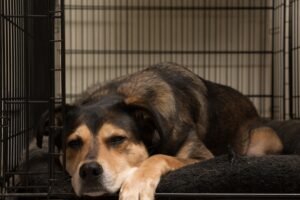
If your dog has a cut on their paw, you probably want to help them feel better as fast as possible. Paw injuries can be painful and tricky to handle if you don’t know what to do.
But don’t worry—this guide will walk you through simple steps to treat your dog’s paw cut safely at home. By following these easy tips, you’ll protect your furry friend from infection and speed up their healing. Keep reading to learn exactly how to care for your dog’s paw so they can get back to their happy, playful self in no time.
Credit: toegrips.com
Assess The Injury
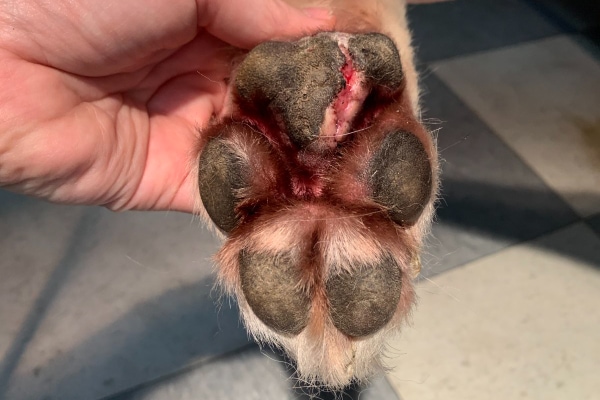
Before treating a dog’s cut on the paw, it is important to assess the injury carefully. This step helps you understand how serious the cut is. It also guides you on the next actions to take. Taking your time to check the wound can prevent further problems. Always stay calm and gentle during this process.
Check The Severity
Look closely at the cut on your dog’s paw. Is it shallow or deep? Small cuts may bleed a little and heal quickly. Deep cuts might bleed heavily and show the tissue underneath. Check if the dog feels pain or pulls the paw away. Swelling or limping can also mean the injury is serious. If the cut is large or bleeding won’t stop, seek veterinary help immediately.
Look For Foreign Objects
Carefully examine the wound for any foreign objects like glass, stones, or thorns. These items can cause infection or keep the wound from healing. Use clean hands or tweezers to remove visible objects gently. Do not push anything deeper into the cut. If you cannot remove the object easily, visit a vet for safe removal. Keeping the wound clean is key to fast recovery.
Clean The Wound
Cleaning the wound on your dog’s paw is the first step to help it heal fast. Dirt and bacteria can cause infection. A clean wound lets the skin start fixing itself. Follow simple steps to clean carefully and safely.
Gather Cleaning Supplies
Prepare all supplies before you start. You will need warm water, a clean cloth or gauze, antiseptic solution, and gloves. Have a towel ready to dry the paw after cleaning. This makes the process smooth and quick.
Rinse With Warm Water
Gently rinse the cut with warm water. This helps remove dirt and small debris. Use a gentle stream or soak the paw in a shallow bowl. Avoid harsh scrubbing to prevent more pain or damage.
Use Antiseptic Solutions
Apply a pet-safe antiseptic solution to the wound. This kills bacteria and lowers infection risk. Use a clean cloth or cotton ball to dab the solution gently. Never use human antiseptics without checking with a vet first.
Stop The Bleeding
Stopping the bleeding is the first step in treating a dog’s paw cut. Quick action can prevent more blood loss and reduce pain. It helps the wound start healing faster and lowers infection risk. Use calm, steady care to control the bleeding safely.
Apply Gentle Pressure
Use your fingers or palm to press gently on the cut. Firm pressure helps blood clot and slows bleeding. Hold pressure for several minutes without lifting to check. Avoid pressing too hard to prevent more damage. Stay calm and keep your dog still during this step.
Use A Clean Cloth Or Gauze
Cover the wound with a clean cloth or gauze pad. This stops dirt from entering the cut. Press the cloth lightly but firmly on the bleeding spot. If blood soaks through, add another layer instead of removing the first. Change the cloth only after bleeding slows or stops.
Credit: www.tlc4pets.com
Protect The Paw
Protecting your dog’s paw after a cut is very important. It stops dirt and germs from entering the wound. It also helps the paw heal faster and reduces pain. You need to keep the paw clean and safe from further injury. Use simple tools at home to protect the paw effectively.
Apply A Bandage
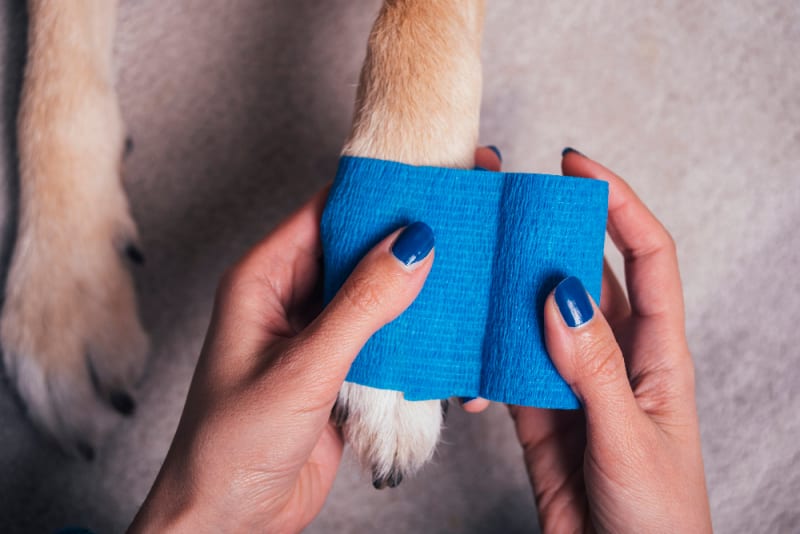
Start by cleaning the cut with warm water. Use a clean cloth to dry the paw gently. Place a sterile pad over the cut to absorb blood and protect the wound. Wrap a bandage around the paw snugly but not too tight. Make sure the bandage covers the pad completely. Check the bandage often. Change it if it gets wet or dirty. This keeps the cut clean and helps it heal well.
Use A Protective Bootie
A protective bootie shields the paw from dirt and rough surfaces. It also stops your dog from licking or biting the wound. Put the bootie on after bandaging the paw. Choose a bootie that fits well but is not too tight. Let your dog wear it during walks or outside play. This keeps the paw safe and supports quick healing. Remove the bootie indoors to let the paw breathe.
Monitor For Infection
Monitoring your dog’s paw cut for signs of infection is very important. Infection can slow healing and cause pain. Early detection helps you act quickly and protect your pet’s health.
Watch For Redness And Swelling
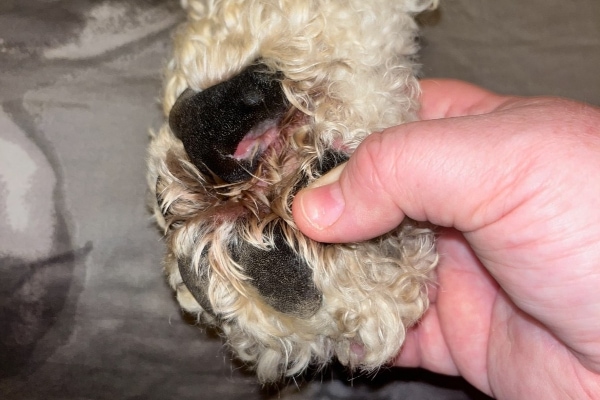
Check the injured paw daily. Look for redness around the cut. Swelling is another sign of infection. The area may feel warm to touch. If you notice these signs, keep the paw clean and dry.
Check For Discharge Or Odor
Look closely at the wound for any discharge. Yellow, green, or cloudy fluid means infection. A bad smell is a strong warning. These signs need prompt attention from a vet. Clean the wound gently and avoid letting your dog lick it.
Credit: toegrips.com
When To See A Vet
Knowing when to see a vet is very important for your dog’s paw injury. Some cuts heal well at home. Others need expert care to avoid infection or worse problems. Watch your dog closely after the injury. The signs below help decide if a vet visit is needed.
Signs Of Serious Injury
Look for deep cuts that expose tissue or bone. Swelling that grows quickly can signal a problem. Your dog may limp or refuse to put weight on the paw. A bad smell or pus from the wound shows infection. These signs mean your dog needs a vet right away.
Persistent Bleeding Or Pain
Bleeding that does not stop in 10 minutes is a concern. If bleeding soaks through bandages, get help. Watch your dog’s pain level. Constant licking, biting, or crying means pain is strong. Your dog might hide or act restless. These signs show the injury is serious and needs vet care.
Prevent Future Injuries
Preventing future paw injuries is key to keeping your dog happy and healthy. Small cuts can become big problems if not avoided. Taking simple steps helps protect your dog’s paws every day.
Regular Paw Inspections
Check your dog’s paws after every walk or playtime. Look for cuts, swelling, or foreign objects like thorns. Early spotting of problems helps treat wounds quickly. Clean paws gently with warm water to remove dirt and debris. Keep the nails trimmed to avoid accidental scratches. Regular checks reduce the risk of serious injuries.
Safe Walking Areas
Choose walking spots with soft, clean surfaces. Avoid rough, rocky, or sharp-edged places. Hot pavement or ice can also harm paw pads. Grass or dirt paths are safer options. Watch for broken glass, sharp sticks, or trash on the ground. Safe areas protect your dog’s paws from cuts and burns.
Frequently Asked Questions
What Are The First Steps To Treat A Dog’s Paw Cut?
Clean the wound gently with warm water and mild soap. Remove dirt and debris carefully.
How Do I Stop My Dog’s Paw From Bleeding?
Apply gentle pressure with a clean cloth or gauze until bleeding slows or stops.
When Should I Use An Antibiotic Ointment On A Dog’s Paw?
Use antibiotic ointment if the cut is shallow and clean to prevent infection.
How Can I Keep My Dog From Licking A Paw Cut?
Use a protective cone or cover the paw with a clean bandage.
When Should I See A Vet For A Dog’s Paw Injury?
Visit a vet if bleeding doesn’t stop, wound is deep, or your dog limps heavily.
How Long Does It Take For A Dog’s Paw Cut To Heal?
Most small cuts heal in about one to two weeks with proper care.
Conclusion
Taking care of a dog’s paw cut needs quick action and gentle care. Clean the wound carefully and keep it dry. Watch for signs of infection like swelling or redness. Use a bandage if needed, but don’t wrap too tight.
Give your dog rest and keep it calm. Visit a vet if the cut looks deep or won’t heal. Small cuts heal faster with proper care and attention. Your dog will thank you for the extra love and help. Simple steps can keep your pet safe and comfortable.
As an Amazon Associate, I earn from qualifying purchases.