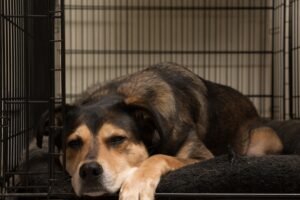
If you have a 30 lb dog, you probably wonder, “How many cups of food should I feed my furry friend?” Getting the right amount of food is important for your dog’s health and happiness. Too much or too little can cause problems you don’t want.
You’ll discover simple tips to measure the perfect portion every time. By the end, you’ll feel confident about feeding your dog just the right amount to keep them active and healthy. Let’s make mealtime easy and stress-free for you and your dog!
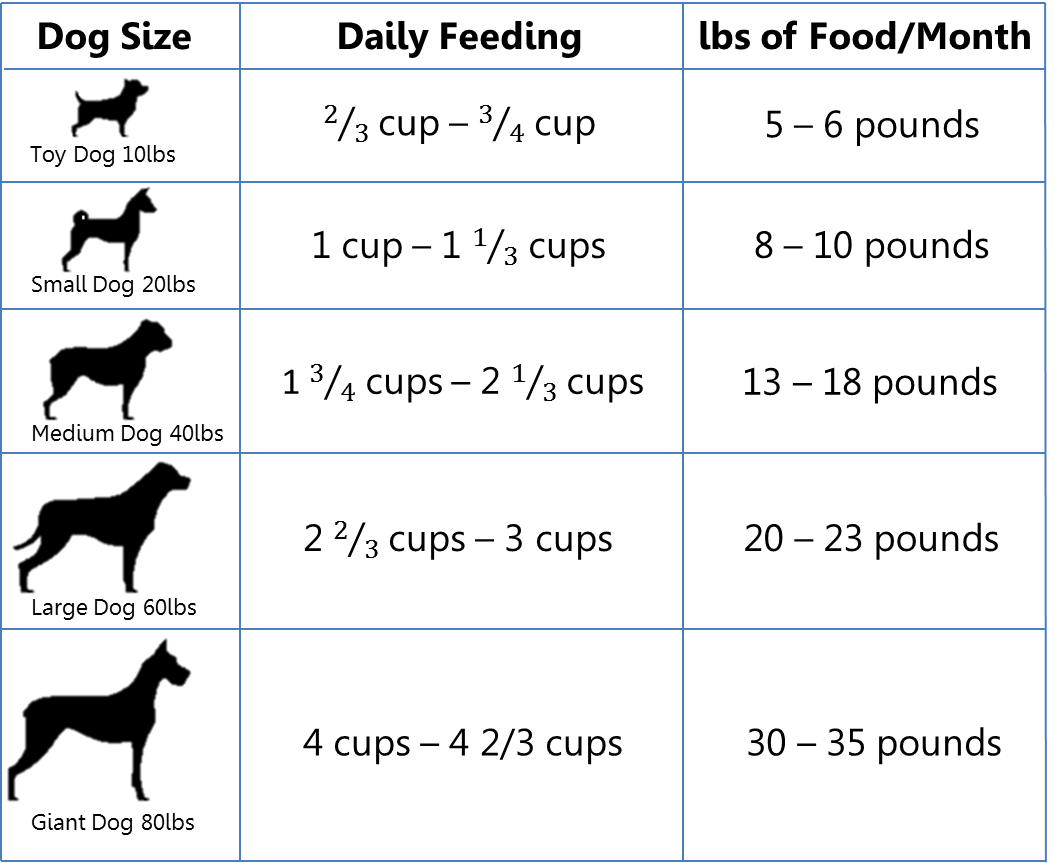
Credit: greentraincenter.com
Daily Feeding Amounts
Feeding your 30 lb dog the right amount of food daily is important. Proper portions help keep your dog healthy and energetic. Overfeeding can lead to weight gain. Underfeeding may cause your dog to lack energy. Understanding daily feeding amounts ensures your dog stays fit.
Calculating Cups For 30 Lb Dogs
The amount of food depends on your dog’s calorie needs. For a 30 lb dog, the daily food amount usually ranges from 1.5 to 2.5 cups. This depends on the food’s calorie content. Check the dog food label for calories per cup. Divide your dog’s daily calorie needs by calories in one cup. This gives the number of cups to feed daily.
Factors Affecting Food Quantity
Activity level changes food needs. Active dogs burn more calories and need more food. Less active dogs need less food to avoid weight gain. Age affects feeding amounts too. Puppies need more food for growth. Older dogs need fewer calories. Health issues also change food needs. Always adjust portions based on your dog’s condition and lifestyle.
Choosing The Right Dog Food
Choosing the right dog food is key for your pet’s health. A balanced diet supports energy, growth, and overall well-being. Each dog has different needs based on size, age, and activity. Understanding food options helps you feed your dog the right amount and type.
Let’s explore important factors to consider when picking dog food. This knowledge helps keep your dog happy and healthy.
Dry Vs. Wet Food Portions
Dry food is more concentrated and easier to measure. It usually has more calories per cup than wet food. Wet food contains more water, so your dog may need a larger portion. Portion size changes based on the food type and your dog’s needs. Always check feeding guides on the packaging. Adjust portions based on your dog’s weight and activity level.
Reading Dog Food Labels
Dog food labels show important details like ingredients and calories. Look for high-quality protein as the first ingredient. Avoid foods with too many fillers like corn or wheat. Check the guaranteed analysis for protein, fat, and fiber levels. Calories per cup help you determine how much to feed. This information guides proper portion control and nutrition balance.
Adjusting Feeding Based On Activity
Adjusting your dog’s food based on activity helps keep them healthy. Dogs that move a lot need more energy from food. Less active dogs need less food to avoid weight gain. Feeding the right amount supports their energy and body condition.
Feeding Active Vs. Sedentary Dogs
Active dogs burn more calories. They need extra cups of food daily to stay strong. These dogs often play, run, or work hard. Sedentary dogs rest more and move less. They need fewer cups to prevent extra weight. Watch your dog’s behavior and adjust food portions.
Seasonal Feeding Variations
Dogs may need more food in cold seasons. Cold weather burns more energy to keep warm. In summer, dogs often eat less due to heat. Adjust food cups by watching your dog’s weight. Seasonal changes affect activity and food needs.
Measuring Dog Food Accurately
Measuring dog food accurately helps keep your pet healthy. It controls their weight and avoids overfeeding. Proper measurement also ensures your dog gets the right nutrients every day.
Using the right tools and methods makes measuring easy and consistent. This section explains simple ways to measure dog food well.
Using Standard Measuring Cups
Standard measuring cups are perfect for portioning dog food. Use dry measuring cups for better accuracy. Fill the cup without packing the food down. Level it off with a flat edge for an exact amount.
Check the dog food bag for serving size details. Usually, it tells how many cups equal one serving. Use this to calculate how many cups your dog needs daily.
Tips For Consistent Portioning
Measure dog food at the same time each day. This creates a feeding routine your dog can follow. Use the same cup every time to keep portions steady.
Store food in a dry, cool place to keep it fresh and easy to scoop. Avoid guessing portions; always measure to avoid feeding too much or too little.
Write down your dog’s daily portions. Tracking helps adjust food amounts as your dog’s needs change.
Common Feeding Mistakes
Feeding your 30 lb dog the right amount of food is important for its health. Many dog owners make common mistakes while feeding. These errors can cause health problems or poor growth. Understanding these mistakes helps you avoid them. It keeps your dog happy and healthy.
Overfeeding Risks
Giving too much food leads to weight gain. Overweight dogs face joint pain and heart problems. Extra pounds can cause diabetes and shortness of breath. Overfeeding also wastes food and money. It can make your dog less active and tired. Watch your dog’s weight and adjust food portions.
Underfeeding Consequences
Feeding too little causes weakness and poor growth. Your dog may lose energy and appear dull. Lack of nutrients affects the immune system. This makes your dog sick more often. Underfeeding can cause muscle loss and skin problems. Ensure your dog gets enough food for its size and activity.
Special Considerations
Feeding a 30 lb dog requires special care. Different dogs have different needs. Age, health, and activity level all change how much food your dog needs. Understanding these factors helps keep your dog healthy and happy. The right amount of food supports good growth and energy.
Puppies Vs. Adult Dogs
Puppies need more calories than adult dogs. They grow fast and burn a lot of energy. Feed puppies more frequent, smaller meals. Use puppy-specific dog food for balanced nutrition. Adult dogs eat less but still need good nutrients. Overfeeding adult dogs can lead to weight gain. Adjust the amount as your dog grows older.
Health Conditions Impacting Diet
Some health problems change how much your dog should eat. Dogs with diabetes need careful portion control. Dogs with kidney problems may need special diets. Overweight dogs require fewer calories and more exercise. Always check with your vet about your dog’s diet. Tailor the food amount to your dog’s health needs.
Monitoring Your Dog’s Weight
Keeping your dog at a healthy weight is very important. It helps your dog live longer and feel better. Watching your dog’s weight means checking their body regularly. You can do this by feeling their ribs and looking at their shape. A healthy dog has a waist that you can see from above. You should also see a tummy tuck when looking from the side.
Tracking weight helps you know if your dog needs more or less food. It stops health problems linked to being too heavy or too light. Regular checks allow early action to keep your dog healthy. Your dog’s diet and exercise play big roles in weight control.
Signs Of Overweight Or Underweight
Overweight dogs often have trouble moving and get tired quickly. They may breathe heavily and have less energy. You might not feel their ribs easily. Their waist may be hard to see. Underweight dogs look bony and weak. Their ribs, spine, and hips show clearly. They may feel cold and lack energy.
Both overweight and underweight dogs need attention. Watch for changes in appetite or behavior. These signs can mean your dog’s weight is not right. Regularly check your dog’s weight and body shape.
Adjusting Food Amounts Accordingly
Change the amount of food based on your dog’s weight. If your dog is overweight, reduce food little by little. Avoid cutting food too fast. If underweight, increase food slowly. Use a measuring cup to give the right portions. Follow the feeding guide on the dog food bag. Remember, treats count as part of daily food.
Keep water fresh and available all the time. Combine good food with daily exercise. This helps your dog stay fit and happy. Regular weight checks help you adjust food amounts properly.
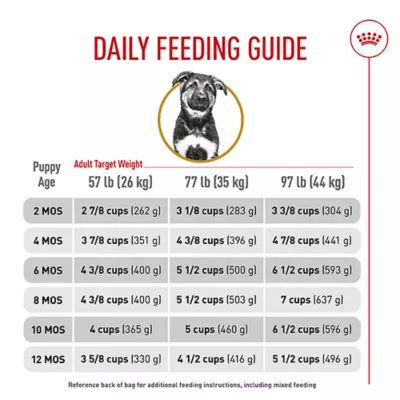
Credit: www.petsmart.com
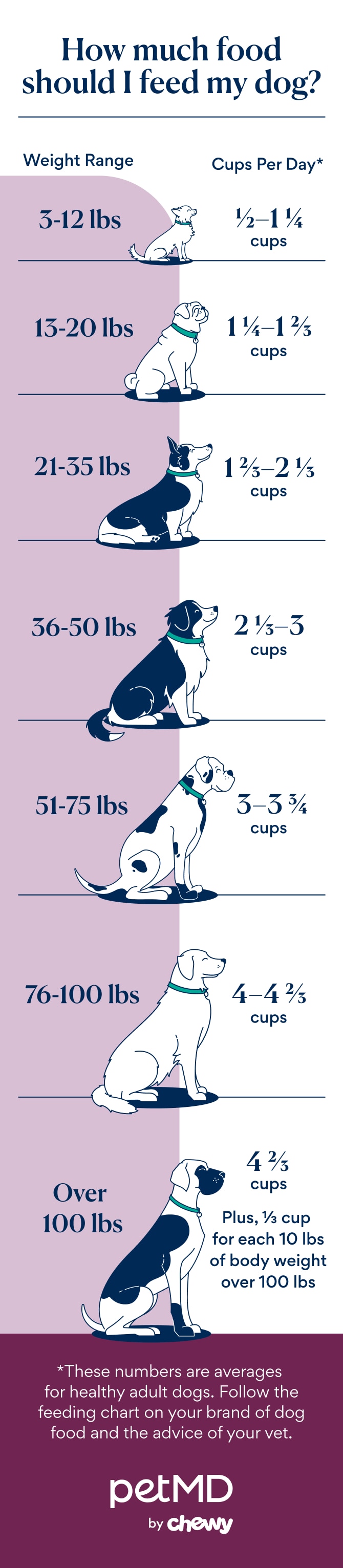
Credit: www.petmd.com
Frequently Asked Questions
How Many Cups Are In A 30 Lb Bag Of Dog Food?
A 30 lb bag usually contains about 120 cups of dry dog food.
How Many Cups Should A Dog Eat Daily From 30 Lb Food?
Daily cups depend on dog size; small dogs eat 1-2 cups, large dogs 3-5 cups.
How To Measure Cups Accurately For 30 Lb Dog Food?
Use a standard measuring cup; level it to avoid overfeeding or underfeeding.
Does Cup Size Vary By Dog Food Brand?
Yes, cup sizes can differ slightly; always check the bag’s feeding guide.
How Long Does A 30 Lb Dog Food Bag Last?
Depends on dog size and eating amount; can last 1-2 months on average.
Can Feeding Cups Change With Dog’s Age Or Activity?
Yes, puppies and active dogs need more food; adjust cups accordingly.
Conclusion
Feeding a 30 lb dog the right amount keeps them healthy and happy. Cups of food vary by brand and dog’s age. Always check the label for specific serving sizes. Watch your dog’s weight and energy to adjust portions. Fresh water should be available all the time.
Proper feeding helps your dog live a long, active life. Remember, small changes can make a big difference in health. Consistency and care matter most in feeding your dog well.
As an Amazon Associate, I earn from qualifying purchases.