Giving up a dog for adoption is never an easy choice, but sometimes it’s the best decision for both you and your pet. If you’re feeling overwhelmed or unsure about what steps to take, you’re not alone.
This guide will walk you through the process with simple, clear advice to help you make the transition as smooth and caring as possible. By the end, you’ll know exactly how to give your dog the loving new home they deserve, without added stress or confusion.
Keep reading to find out how you can handle this difficult situation with confidence and kindness.
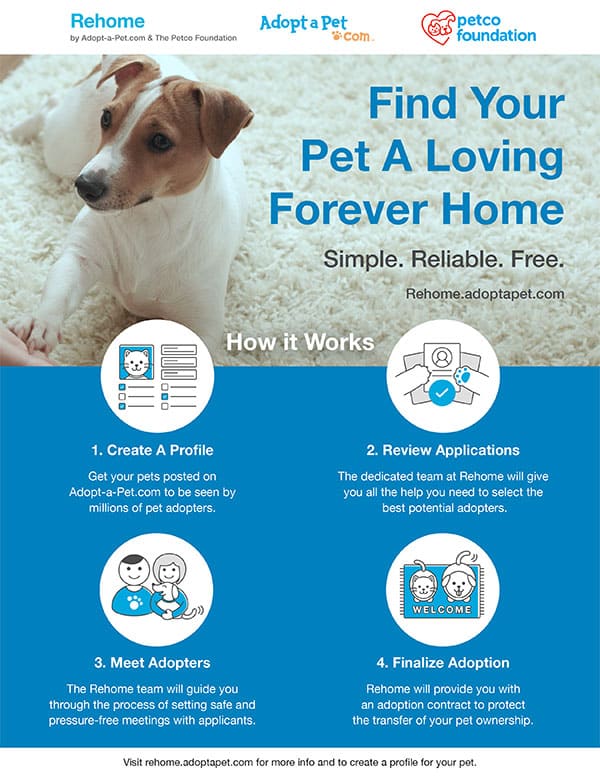
Credit: sahumane.org
Reasons To Rehome Your Dog
Deciding to give a dog up for adoption is never easy. Many pet owners face situations where rehoming feels like the best choice. Understanding the reasons behind this decision can help make the process clearer and less stressful.
Common Situations
Life changes often lead to rehoming a dog. Moving to a place that does not allow pets is one cause. Health problems in the family can also make caring for a dog hard. Some owners find their dog’s behavior too difficult to manage. Financial difficulties may stop some from providing proper care. Each situation is unique but common among many pet owners.
Emotional Considerations
Giving up a dog can bring strong feelings. Guilt and sadness are normal responses. Many owners worry about their dog’s future happiness. It helps to remember that rehoming can offer a better life for the dog. Finding a loving new home is the goal. Taking time to accept these feelings can ease the process.
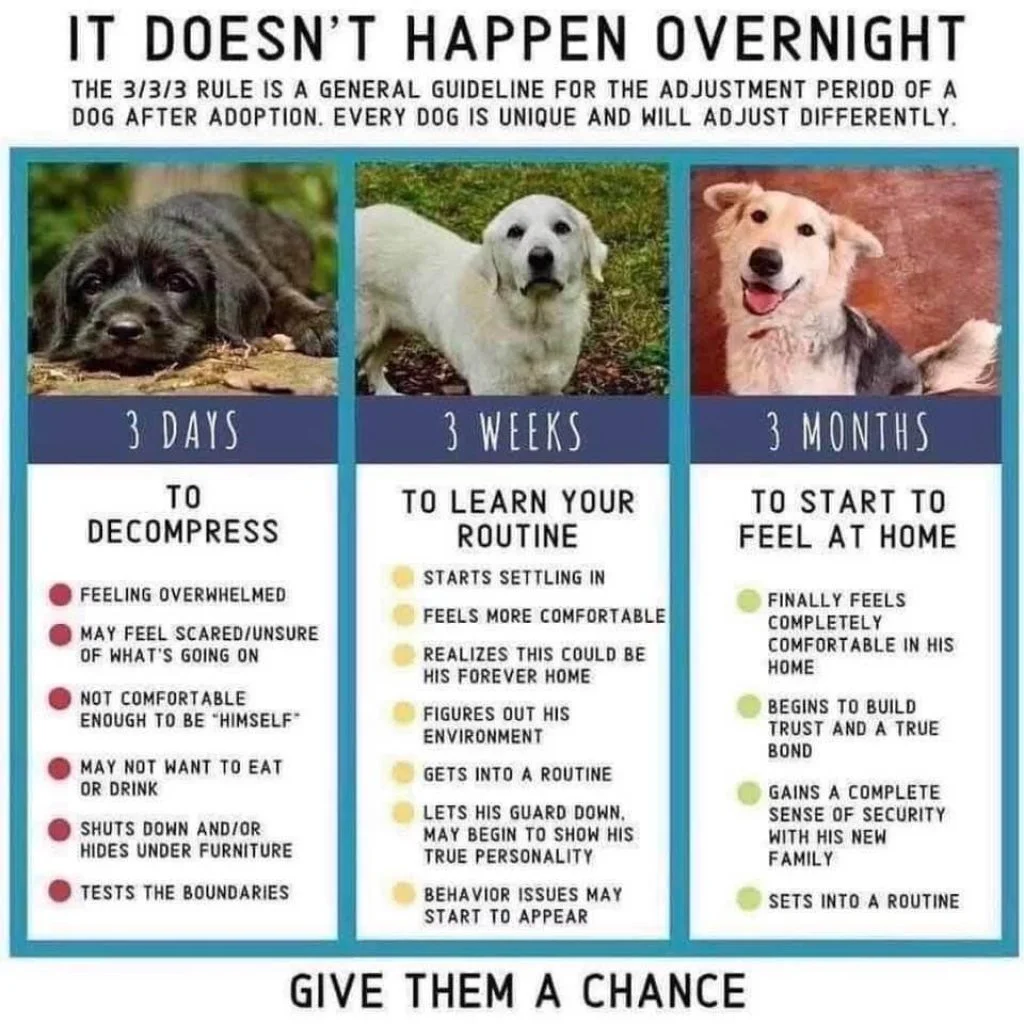
Credit: www.fosocas.org
Preparing Your Dog For Adoption
Preparing your dog for adoption is an important step. It helps your dog find a good new home. Careful preparation makes the process smooth. Your dog will feel safer and happier. You can make a positive difference for your dog’s future.
Health Checkups
Visit the vet for a full health checkup. Make sure vaccinations are up to date. Treat any illnesses or parasites before adoption. A healthy dog has a better chance to be adopted quickly. Ask the vet for medical records to share with new owners.
Training And Behavior
Work on basic commands like sit, stay, and come. Good behavior helps your dog adjust to a new home. Practice house training and leash walking. Address any aggressive or fearful behavior carefully. Training makes your dog more appealing to families.
Gathering Important Information
Write down your dog’s age, breed, and personality traits. Note favorite toys, food, and routines. Include any medical needs or allergies. Share your dog’s history to help new owners understand them. Clear information helps people decide if your dog fits their home.
Finding The Right Adoption Option
Finding the right adoption option is very important when you need to give your dog up. Choosing the best place helps your dog find a safe and loving home. It also gives you peace of mind knowing your dog will be cared for well. There are several options to consider. Each option has different benefits. Understanding these can help you make the best choice for your dog.
Animal Shelters And Rescues
Animal shelters take in dogs and care for them until new homes are found. Many shelters have trained staff who help dogs adjust. They often provide medical care and vaccinations. Shelters usually have many animals waiting for adoption. Visiting a shelter can give your dog a chance to meet many potential adopters. Some shelters work with foster families for dogs needing extra care.
Breed-specific Groups
Breed-specific groups focus on one type of dog, like Labradors or German Shepherds. These groups understand the needs of specific breeds. They often have networks of people who love and adopt these dogs. These groups can find homes that match your dog’s personality and needs. They may also help with training or medical care before adoption. This option is good if you want your dog to go to a family that knows the breed well.
Online Adoption Platforms
Online adoption platforms connect owners and adopters across wide areas. These websites show photos and details of dogs needing homes. They allow you to reach more people quickly. Many platforms let you filter searches by age, size, or breed. They often provide tips for a smooth adoption process. This option helps you find adopters outside your local area. It increases your dog’s chances of finding a perfect new family.
Creating A Detailed Profile
Creating a detailed profile helps your dog find the right home faster. It shares your dog’s story and needs clearly. The profile guides potential adopters to understand your dog well.
A good profile increases the chances of a happy match. It shows your dog’s true personality and any special care needed. Including clear photos completes the profile perfectly.
Capturing Your Dog’s Personality
Write about your dog’s traits and habits. Is your dog playful or calm? Does your dog like other pets or children? Mention favorite games or routines. Honest details help adopters imagine life with your dog. Show what makes your dog unique and lovable.
Highlighting Special Needs
Note any health issues or behavior needs. Does your dog need medicine or special food? Mention training or socialization requirements. Clear information helps adopters prepare better. It ensures your dog gets proper care in the new home.
Taking Quality Photos
Use bright, clear pictures of your dog. Capture your dog’s face and body in different poses. Show your dog playing or resting calmly. Avoid blurry or dark photos. Good photos attract more interest and show your dog’s true look.
Screening Potential Adopters
Screening potential adopters is a crucial step in giving a dog up for adoption. It helps ensure your dog goes to a safe, loving home. This process protects your dog’s well-being and happiness.
Taking time to screen adopters reduces the risk of your dog facing neglect or abandonment again. It also helps match your dog with the right family or person.
Questions To Ask
Ask about the adopter’s experience with dogs. Do they have pets now? What type of dog suits their lifestyle? How much time will they spend with the dog daily? What will they do if the dog has health issues? These questions reveal if the adopter understands dog care.
Home Environment Checks
Check the adopter’s living space. Is the home safe and clean? Look for secure yards or areas for exercise. Ask about other pets or family members. A calm, stable environment helps dogs adjust quickly.
Ensuring Commitment
Confirm the adopter is ready for long-term care. Discuss the costs of food, vet visits, and grooming. Ask about their plans during vacations or emergencies. Commitment means caring for the dog’s needs every day, for years.
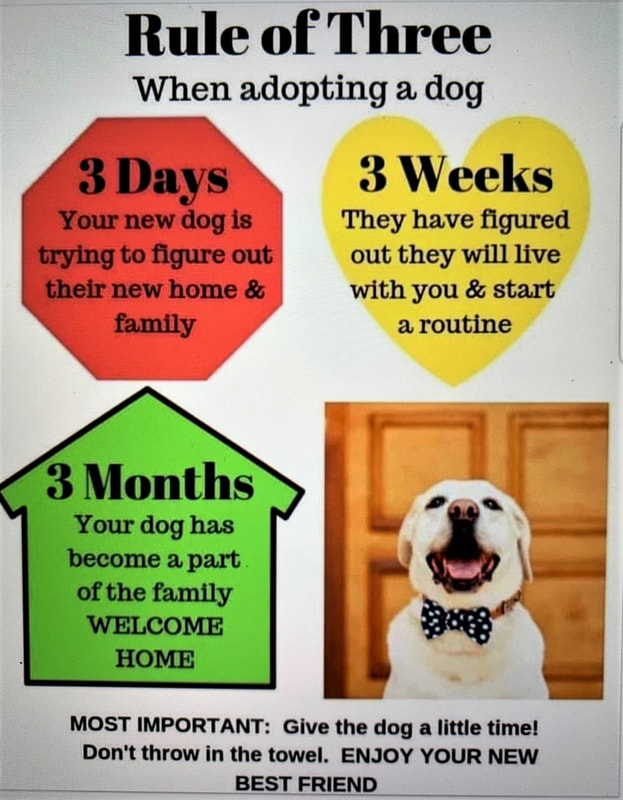
Credit: www.sunshinegoldenrescue.com
Transitioning Your Dog
Transitioning your dog to a new home is a delicate process. It needs care and patience. Your dog faces a big change. Helping them adjust makes the move easier. Small steps can reduce stress for your dog. You play a key role in this transition.
Introducing The New Family
Start by meeting the new family together. Let your dog see and smell them in a calm place. Watch your dog’s reactions carefully. Allow slow and gentle introductions. Keep the atmosphere relaxed and quiet. The new family should speak softly and move calmly. This builds trust and comfort for your dog.
Providing Comfort Items
Give the new family some of your dog’s favorite things. A blanket, toy, or bed helps your dog feel safe. These items carry familiar smells. They bring comfort in a new environment. Pack food your dog likes too. Familiar items help your dog settle faster.
Managing Your Emotions
Letting go can be hard. You may feel sad or guilty. Remember, this is for your dog’s well-being. Stay positive for your dog’s sake. Talk to friends or family about your feelings. Focus on the new life your dog will have. Your calmness helps your dog stay calm too.
After Adoption Support
Giving a dog up for adoption does not end the responsibility. After adoption support is vital for the dog’s well-being. It helps the new family adjust and gives the dog a better chance for a happy life.
Staying Connected
Keep in touch with the new owners. This builds trust and helps you know how the dog is doing. Regular updates about the dog’s health and behavior are helpful. Share tips and advice to ease the transition.
Offering Guidance
Provide clear advice on care and training. This helps the new family handle the dog confidently. Answer questions quickly and kindly. Suggest local vets or trainers if needed. Guidance reduces stress for everyone.
Handling Possible Challenges
Challenges may come up after adoption. The dog might feel scared or unsure. Be ready to support the new family through these times. Offer solutions for common problems like anxiety or training issues. Your help can make a big difference.
Frequently Asked Questions
How Do I Prepare My Dog For Adoption?
Start with a vet checkup, gather health records, and train basic commands to help your dog adjust.
Where Can I Find A Safe Place To Give My Dog Up?
Animal shelters, rescue groups, and reputable adoption centers are good options for rehoming your dog.
What Information Should I Provide About My Dog?
Include age, breed, health status, behavior, and any special needs to help find the right home.
How Can I Make The Adoption Process Easier For My Dog?
Keep routines familiar, provide comfort items, and be honest with adopters about your dog’s personality.
Is There A Fee To Give My Dog Up For Adoption?
Some shelters or rescues may charge a small fee to cover care and rehoming costs.
Can I Meet Potential Adopters Before Giving Up My Dog?
Yes, meeting adopters helps ensure a good fit and a safe, loving new home for your dog.
Conclusion
Giving a dog up for adoption is never easy. It takes care, thought, and kindness. Choose a safe place that truly cares for animals. Share clear information about your dog’s needs and habits. This helps find the best new home.
Remember, your dog deserves love and safety. Making the right choice helps both you and your pet. Trust the process and stay patient. Your dog’s new family will thank you. The goal is a happy life for your dog.
As an Amazon Associate, I earn from qualifying purchases.