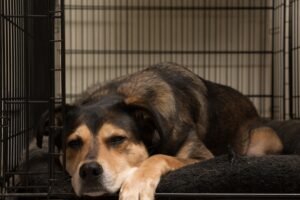
When your dog is sick, getting them to eat can feel like a real challenge. You want to help your furry friend feel better, but watching them refuse food is stressful and heartbreaking.
You might be wondering what you can do to encourage their appetite without causing more discomfort. This guide will walk you through simple, effective ways to help your sick dog start eating again. By the end, you’ll have practical tips that make mealtime easier for both you and your pet.
Keep reading—you’re closer than you think to seeing your dog enjoy their food once more.
Signs Of A Sick Dog Losing Appetite
Noticing your dog losing interest in food can be worrying. Dogs often refuse meals when they feel unwell. Recognizing the signs of a sick dog losing appetite helps you act quickly. Early detection may prevent serious health issues. Watch your dog’s behavior closely to spot any changes.
Common Symptoms
Loss of appetite is not the only sign. Your dog might also show other symptoms. Look for vomiting or diarrhea. Your dog could seem tired or weak. Coughing and sneezing might appear. A fever may cause your dog to shiver or pant. Changes in behavior like hiding or irritability are common. These signs together often mean your dog is sick.
When To Worry
Refusing food for one meal is usually not serious. But if your dog skips several meals, it is a concern. Persistent vomiting or diarrhea needs urgent care. Sudden weight loss can be dangerous. If your dog shows difficulty breathing or severe lethargy, see a vet immediately. Quick action can help your dog recover faster. Trust your instincts when your dog’s health changes.

Credit: aminpetshop.com
Causes Of Appetite Loss In Dogs
Loss of appetite in dogs can worry any pet owner. Dogs stop eating for many reasons. Knowing why helps to find the right solution. Some causes need a vet’s care, while others are easier to fix. Understanding these causes is the first step to help your sick dog eat again.
Illness And Pain
Illness is a common cause of appetite loss in dogs. Pain from injuries or sickness makes eating hard. Dogs with infections or organ problems often refuse food. Mouth pain or dental issues also stop dogs from eating. Watch for signs like lethargy, vomiting, or changes in behavior. These signs show illness or pain may be the cause.
Medication Side Effects
Some medicines reduce a dog’s hunger. Antibiotics, painkillers, and other drugs can cause nausea. This side effect makes dogs lose interest in food. Always check with your vet about medicine effects. Never stop medicine without advice. Your vet can suggest ways to help your dog eat during treatment.
Stress And Anxiety
Stress lowers a dog’s appetite quickly. Changes like loud noises, new people, or travel cause anxiety. Dogs may hide, tremble, or refuse food during stress. Separation from owners also affects eating habits. Calm your dog by creating a quiet, safe space. Routine helps reduce anxiety and encourages eating.
Changes In Environment
New homes, different food, or changes in routine affect dogs. They may feel unsure and stop eating. Moving to a new place is often stressful. Introducing new food suddenly can upset their stomach. Keep food and feeding areas consistent to help dogs adjust. Patience is key during environmental changes.
Creating A Comfortable Feeding Environment
Creating a comfortable feeding environment helps a sick dog feel safe and relaxed. This comfort can improve their appetite and willingness to eat. Small changes in their eating space can make a big difference.
Focus on reducing stress and distractions around mealtime. Keep the area peaceful and consistent. This helps the dog understand it is time to eat and feel calm.
Quiet And Calm Space
Choose a quiet spot for your dog’s meals. Avoid loud noises and busy areas. A calm place lowers anxiety and helps the dog focus on eating. Keep the feeding area clean and free of clutter. Soft lighting can also create a peaceful atmosphere.
Consistent Feeding Schedule
Feed your dog at the same times each day. A regular schedule builds routine and comfort. Dogs respond well to predictability. Set specific times in the morning and evening. Stick to these times to encourage appetite. Consistency helps the dog know what to expect next.

Credit: www.wikihow.com
Food Choices To Stimulate Appetite
Choosing the right food can help a sick dog eat better. Appetite often drops when dogs feel unwell. Food that smells good and feels gentle on the stomach can encourage eating. Simple changes in food texture and taste might make a big difference. Here are some food ideas to help stimulate your dog’s appetite.
Warm And Aromatic Foods
Warming food releases strong smells that attract dogs. Heat canned dog food slightly before serving. Avoid making it too hot to prevent burns. Warm food smells more inviting than cold food. Adding low-sodium broth can boost aroma and flavor. These small steps make meals more appealing.
Soft And Easy-to-digest Options
Sick dogs often prefer soft foods. Soft foods are easier to chew and digest. Cooked rice, boiled chicken, or pumpkin are gentle choices. Avoid hard kibble or heavy treats. Blending food into a smooth texture can help. These options reduce strain on a weak stomach.
Using Toppers And Enhancers
Toppers add flavor and interest to plain food. Small amounts of shredded cheese or yogurt work well. A spoonful of canned tuna or salmon can excite taste buds. Use these sparingly to avoid upsetting digestion. Toppers turn bland meals into tempting treats.
Feeding Techniques For Sick Dogs
Feeding a sick dog can be a challenge. They often lose interest in food and may feel weak. Using the right feeding techniques helps them get the nutrition they need. These methods also make mealtime less stressful for both you and your pet.
Try gentle approaches that encourage your dog to eat slowly and comfortably. Focus on small steps to improve their appetite and hydration.
Hand Feeding
Hand feeding shows your dog that eating is safe and comforting. Offer small bites directly from your hand. This can make them feel more secure. It also helps you control how much they eat. Use calm and soft tones to soothe your dog during feeding.
Small Frequent Meals
Instead of one big meal, give small portions several times a day. This is easier for a sick dog to digest. It keeps their energy steady. Smaller meals reduce nausea and prevent vomiting. Serve food at room temperature to make it more appealing.
Encouraging Hydration
Water is very important for sick dogs. Offer fresh water often to prevent dehydration. You can add a little low-sodium broth to make it tastier. Some dogs prefer ice cubes or wet food for hydration. Watch closely to make sure your dog drinks enough.

Credit: altawen.com.sa
When To Seek Veterinary Help
Knowing when to seek veterinary help is very important if your dog stops eating. Appetite loss can sometimes be a sign of a serious health problem. Acting quickly can protect your dog’s health and comfort.
Persistent Appetite Loss
If your dog refuses food for more than 24 to 48 hours, you should contact a vet. Dogs need regular meals to stay healthy. Long periods without eating can cause weakness and other health problems. Watch for ongoing refusal to eat, even when you try different foods. This may mean your dog needs medical care.
Signs Of Serious Illness
Look for other signs that show your dog may be very sick. Vomiting, diarrhea, or severe lethargy can indicate illness. Trouble breathing or unusual behavior also needs quick attention. Sudden weight loss or pain are important signals. These signs require a vet’s exam to find the cause and start treatment.
Frequently Asked Questions
How Can I Encourage My Sick Dog To Eat?
Offer small, frequent meals of bland, soft food. Warm it slightly to boost smell and appeal.
What Foods Are Best For A Sick Dog’s Appetite?
Boiled chicken, rice, and pumpkin are gentle and easy to digest for sick dogs.
Should I Change My Dog’s Diet When They Are Sick?
Yes, switch to light, bland foods to avoid upsetting their stomach during illness.
How Do I Know If My Dog Needs A Vet For Eating Issues?
If your dog refuses food for more than 24 hours or shows other symptoms, see a vet.
Can Feeding Wet Food Help A Sick Dog Eat Better?
Wet food has more aroma and moisture, which often encourages sick dogs to eat more.
Is It Safe To Give My Sick Dog Supplements To Boost Appetite?
Only give supplements recommended by a vet to ensure safety and avoid side effects.
Conclusion
Helping a sick dog eat takes patience and care. Try different foods and keep meals small. Warm the food to make it smell better. Offer water often to keep your dog hydrated. Watch for signs of improvement or worsening. Always talk to your vet for advice and support.
Your dog needs comfort and gentle attention. Small steps can make a big difference soon. Keep hope and stay calm throughout the process. Your care means everything to your furry friend.
As an Amazon Associate, I earn from qualifying purchases.