You love your dog like family, and nothing worries you more than their health. But how do you know if your dog has parasites?
These tiny invaders can hide in plain sight, causing discomfort and serious health problems if left untreated. If your furry friend is scratching more than usual, losing weight, or acting off, it might be time to take a closer look.
You’ll discover the key signs to watch for, so you can protect your dog and keep them happy and healthy. Keep reading to learn what to look out for and what steps you can take right now.
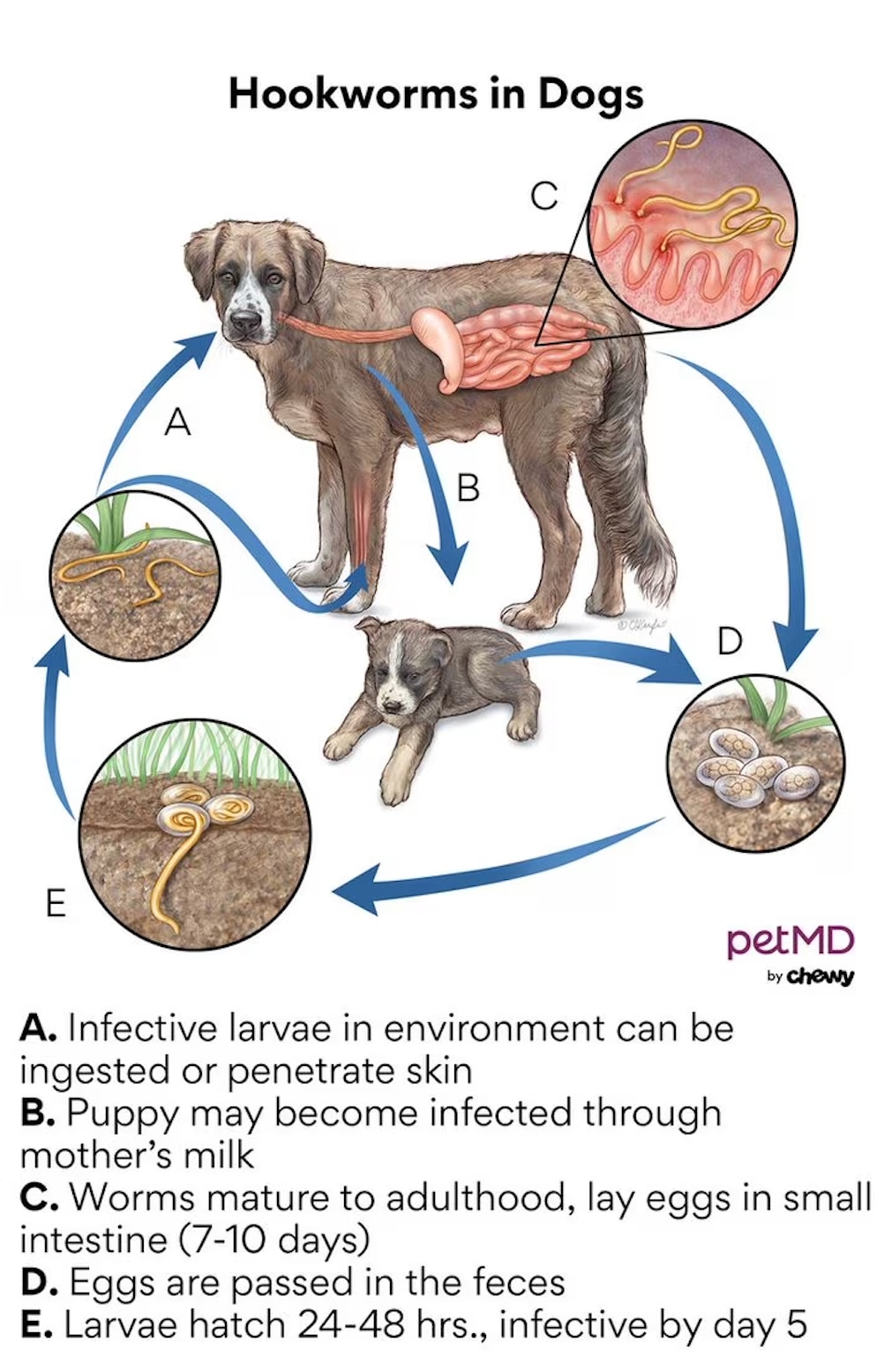
Credit: www.petmd.com
Common Parasites In Dogs
Dogs can get many types of parasites. These parasites can harm their health. Knowing common parasites helps you keep your dog safe and healthy. Parasites live inside or outside your dog’s body. Each type causes different problems. Recognizing them early helps you act fast.
Types Of Internal Parasites
Internal parasites live inside your dog’s body. They often infect the stomach, intestines, or organs. Common types include roundworms, hookworms, and tapeworms. These worms can cause weight loss and diarrhea. Some internal parasites spread through contaminated soil or infected animals. Your dog may swallow eggs or larvae during play or eating. Regular check-ups and deworming help control internal parasites.
Types Of External Parasites
External parasites live on your dog’s skin or fur. Fleas and ticks are the most common types. Fleas cause itching and can lead to skin infections. Ticks attach to the skin and suck blood. They can spread diseases like Lyme disease. Mites are another type that cause itching and hair loss. Checking your dog’s coat often helps find these parasites early. Using preventive treatments keeps your dog safe from external parasites.
:strip_icc()/canine-parasites-3385013-v1-5bacee6246e0fb00258c08c5.png)
Credit: www.thesprucepets.com
Physical Signs Of Parasites
Parasites can harm your dog in many ways. Not all signs are easy to see. Physical signs often reveal parasite problems early. Watching your dog’s body closely helps catch issues fast. These signs include changes in the coat and skin, or seeing the parasites themselves.
Changes In Coat And Skin
A dull, dry, or patchy coat may signal parasites. Your dog may scratch or bite the skin more than usual. Redness, inflammation, or small bumps can also appear. Hair loss in spots is common with parasite infections. Notice scabs or sores that don’t heal quickly. These signs often mean your dog needs a vet check.
Visible Worms Or Fleas
Some parasites can be seen with the naked eye. Fleas look like tiny, fast-moving dark dots on fur. Flea dirt, which looks like black specks, may also appear. Worms might be visible around the dog’s rear or in stool. Tapeworm segments look like small grains of rice. Spotting these worms or fleas means quick action is necessary.
Behavioral Changes
Dogs with parasites often show changes in behavior. These changes can be subtle or clear signs of discomfort. Paying attention to these signs helps catch problems early. Watch for any new or unusual behavior in your dog.
Increased Scratching And Biting
Parasites cause itching and irritation on the skin. Your dog may scratch more than usual or bite at certain spots. This behavior can lead to redness or sores. Look for persistent scratching around the ears, neck, and tail.
Some dogs may lick their paws or rub against furniture. These actions aim to relieve itching caused by fleas or mites. If the itching lasts for days, it could mean parasites are present.
Lethargy And Restlessness
Parasites can make dogs feel tired and weak. You may notice your dog sleeping more or moving less. This lack of energy is a sign of discomfort or illness.
On the other hand, some dogs become restless. They may pace or have trouble settling down. This restlessness can happen due to internal discomfort from worms or other parasites.
Changes in energy levels are important clues. Keep track of any sudden tiredness or unusual activity in your dog.
Digestive Symptoms
Digestive symptoms often reveal if a dog has parasites. These symptoms affect your dog’s stomach and intestines. Parasites irritate the digestive system. This causes discomfort and changes in normal eating and bathroom habits. Watching for these signs helps catch problems early. Early detection leads to quicker treatment and better health.
Vomiting And Diarrhea
Vomiting and diarrhea are common signs of parasites in dogs. Parasites upset the stomach lining. This causes your dog to throw up or have loose stools. Diarrhea may be watery or contain mucus. Sometimes, blood can appear in the stool. These symptoms can appear suddenly or come and go. Persistent vomiting or diarrhea needs a vet visit. It may lead to dehydration, which is dangerous.
Changes In Appetite And Weight
Parasites often cause dogs to eat less or more than usual. Some dogs lose interest in food. Others seem hungrier because parasites steal nutrients. Weight loss happens even if the dog eats well. This weight drop is a clear sign of a parasite problem. Watch your dog’s body shape and appetite closely. Sudden changes are a warning sign to act fast.
When To See A Veterinarian
Knowing when to see a veterinarian is key for your dog’s health. Parasites can cause serious problems. Early detection helps protect your dog from pain and illness. Watch for signs and maintain regular check-ups.
Routine Parasite Testing
Regular parasite testing helps catch infections early. Most dogs should have tests once or twice a year. Your vet checks stool samples for worms and other parasites. This testing keeps your dog healthy and prevents spread to others. It also helps choose the right treatment quickly.
Emergency Signs
Some symptoms need immediate vet care. Severe vomiting, diarrhea, or bleeding are red flags. Sudden weakness, difficulty breathing, or a bloated belly also need fast attention. These signs may mean a serious parasite problem. Don’t wait. Quick vet visits save lives.
Preventing Parasites In Dogs
Parasites can harm your dog’s health and comfort. Preventing parasites is easier than treating them. Taking simple steps keeps your dog safe and happy. Focus on regular care and protection to stop parasites early.
Regular Deworming
Deworming removes worms inside your dog’s body. Vets recommend a schedule based on your dog’s age and lifestyle. Use vet-approved medicines only. Regular deworming helps avoid serious health problems. Puppies need more frequent treatments than adult dogs.
Flea And Tick Control
Fleas and ticks cause itching and can spread diseases. Use flea and tick preventives year-round. Check your dog’s fur often for signs of these pests. Clean your dog’s bedding and living areas regularly. Natural environments like parks increase exposure risks. Protect your dog to keep parasites away.
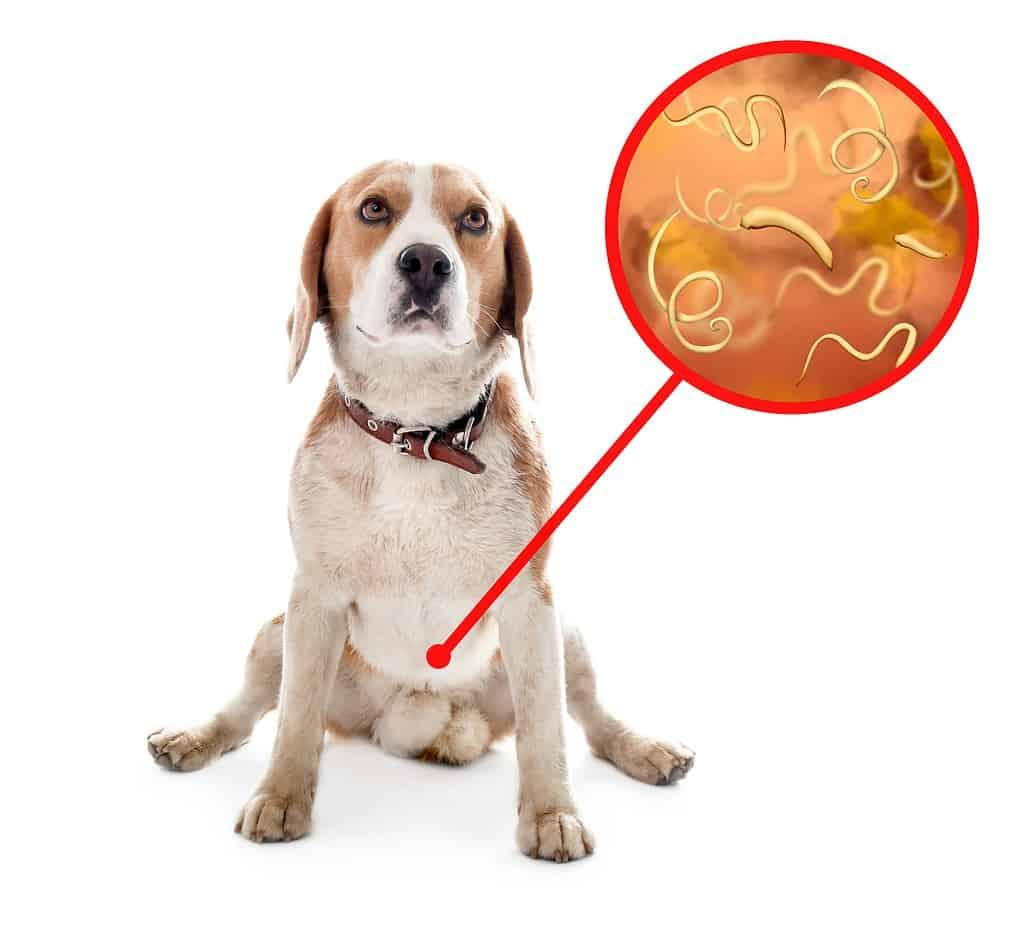
Credit: www.morganpetclinic.com
Frequently Asked Questions
What Are Common Signs That A Dog Has Parasites?
Look for itching, diarrhea, weight loss, vomiting, and a dull coat as common parasite signs in dogs.
How Can I Check My Dog For Intestinal Parasites?
Check your dog’s stool for worms, eggs, or unusual debris to spot intestinal parasites early.
Can Parasites Cause My Dog To Lose Weight Suddenly?
Yes, parasites often cause poor nutrient absorption, leading to sudden and unexplained weight loss in dogs.
Which Parasites Affect Dogs Most Often?
Common parasites include roundworms, tapeworms, hookworms, and fleas that harm dog health.
How Soon Should I See A Vet If My Dog Has Parasites?
See a vet immediately if your dog shows severe symptoms like vomiting or extreme lethargy.
Can Flea Infestations Lead To Parasites In Dogs?
Fleas can carry tapeworm eggs, causing parasite infections when dogs ingest them during grooming.
Conclusion
Parasites can cause serious health issues in dogs. Watch for signs like itching, weight loss, or changes in stool. Regular check-ups help catch problems early. Clean your dog’s living area often to reduce risks. Treat your dog quickly if parasites appear.
Healthy pets are happy pets. Stay alert and care for your dog well.
As an Amazon Associate, I earn from qualifying purchases.