When cold weather hits, your dog’s comfort can quickly become a concern. You want to make sure your furry friend stays warm and cozy in their dog house, but how can you do that safely and effectively?
Heating a dog house isn’t as complicated as it sounds, and with the right tips, you can create a snug space your pet will love. Keep reading to discover simple, practical ways to heat your dog’s shelter and keep them happy all winter long.
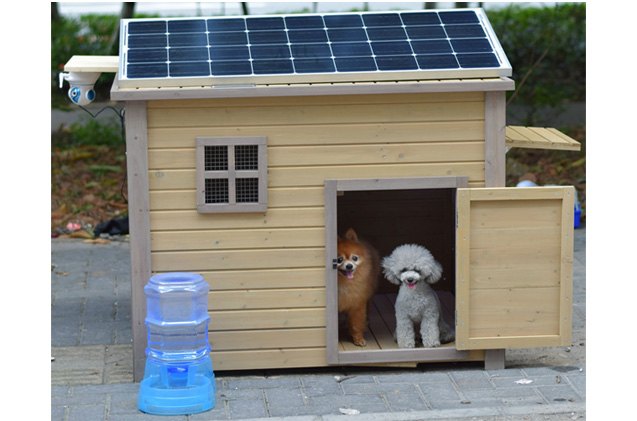
Credit: www.petguide.com
Choosing The Right Location
Choosing the right location for your dog house is very important. It helps keep your pet warm and comfortable. A good spot protects from cold winds and harsh weather. It also helps save energy when you heat the dog house.
Think about the natural surroundings. The location should be safe and easy for your dog to reach. Avoid places that get too wet or muddy. Dry ground helps keep the dog house warm.
Sheltered Spots
Pick a place shielded from strong winds and heavy rain. Near a wall or fence works well. Trees can also block wind and provide cover. Sheltered spots reduce heat loss and keep the dog house cozy.
Avoiding Drafts
Check for gaps or holes that let cold air in. Avoid open areas where wind can blow straight inside. Position the dog house so the entrance faces away from the wind. This stops drafts and keeps warmth inside.
Sunlight Exposure
Place the dog house where it gets sunlight during the day. Sunlight naturally warms the space. Morning sun is best to warm your dog early. Avoid deep shade or places blocked by buildings or trees.
Insulating The Dog House
Insulating a dog house helps keep your dog warm during cold weather. Proper insulation stops cold air from entering and warm air from escaping. This creates a cozy space for your pet. Using simple materials can improve insulation without much cost or effort.
Using Straw Or Hay
Straw or hay works well as natural insulation. It traps air and keeps the dog house warm. Place a thick layer on the floor and walls. Straw is dry and does not hold moisture. Replace it often to keep the space clean and dry.
Foam Panels
Foam panels provide strong insulation for dog houses. They are lightweight and easy to cut. Attach foam panels to the walls and roof inside the house. Cover the panels with plywood or plastic for protection. Foam helps keep heat inside and cold out.
Weatherproofing Materials
Weatherproofing stops wind and rain from entering the dog house. Use weatherproof paint or sealant on the outside walls. Add plastic or vinyl flaps at the door entrance. These materials block drafts and moisture. They keep the dog house dry and warm.
Safe Heating Options
Keeping a dog house warm is important for your pet’s comfort and health. Safe heating options prevent accidents and keep your dog cozy. Choose heating tools designed specifically for pets. These tools use low power and stay cool to touch.
Heated Pads And Mats
Heated pads and mats are soft and safe for dogs. They plug into electricity but have low heat levels. These pads warm the floor of the dog house gently. Dogs can lie on them without risk of burns. Many heated mats have chew-proof cords for extra safety.
Infrared Heaters
Infrared heaters provide warmth without heating the air directly. They send heat waves that warm objects and pets nearby. These heaters use less energy and stay cooler than traditional heaters. Place the heater outside or away from your dog’s reach. Infrared heaters are good for small, insulated dog houses.
Hot Water Bottles
Hot water bottles offer a simple heating method. Fill a sturdy bottle with warm water and wrap it in a towel. Place it inside the dog house to provide gentle warmth. Replace the water regularly to keep the heat steady. This option is great for short-term use or emergencies.
Diy Warmth Hacks
Keeping your dog warm in a dog house is important during cold months. DIY warmth hacks offer simple and affordable ways to add extra heat. These easy tricks help trap heat and keep your pet cozy.
Reflective Blankets
Reflective blankets bounce back your dog’s body heat. Place one inside the dog house, under bedding or on walls. These blankets are thin and light but work well to keep warmth in.
They are easy to find at outdoor stores or online. Reflective blankets do not need power, making them safe and cost-effective.
Diy Heat Packs
DIY heat packs provide gentle warmth without electricity. Fill a sock with rice or dried beans and sew it shut. Heat it in a microwave for a minute before placing it inside.
These packs hold heat for a while and can be reused. Always check the temperature before giving it to your pet to avoid burns.
Layered Bedding
Layering different bedding materials traps heat and adds comfort. Use straw or hay as a bottom layer since it insulates well. Add blankets or old towels on top for softness.
Change bedding often to keep it dry and clean. Dry bedding keeps your dog warm better than wet or damp materials.
Electric Heating Safety
Electric heating can keep your dog house warm during cold days. Safety is very important to protect your pet and home. Poor safety can cause fire or electric shock. Follow these simple rules for safe electric heating.
Proper Wiring
Use the correct wires for your heater. Wires must handle the heater’s power without overheating. Always connect wires to grounded outlets. Avoid using extension cords inside the dog house. Check wires regularly for damage or wear.
Waterproof Devices
Choose heaters designed to resist water and moisture. Moisture can cause short circuits and shocks. Use waterproof covers for plugs and switches. Place heaters away from puddles or wet spots. Keep the dog house dry to protect electric parts.
Monitoring Temperature
Install a thermostat to control heat levels. Too much heat can harm your dog. Too little heat will not keep the house warm. Check the temperature often to keep it safe. Use heaters with automatic shut-off features for extra safety.
Maintaining Ventilation
Maintaining proper ventilation in a heated dog house is very important. It helps keep the air fresh and stops dampness. Good airflow makes the dog house warm without trapping bad air. This keeps your dog healthy and comfortable through cold weather.
Avoiding Moisture Build-up
Moisture can cause mold and make the dog house cold. Warm breath and wet fur add water inside. Ventilation lets moisture escape outside. Small vents near the roof or walls work well. Check vents often to keep them clear and open.
Ensuring Fresh Air
Fresh air stops bad smells and germs from growing. It also helps your dog breathe easily. Place vents on opposite sides to create a good airflow. Avoid spots where wind blows directly on your dog. Use screens on vents to keep bugs out.
Balancing Warmth And Airflow
Too much ventilation can make the house cold. Too little causes stuffy air and moisture. Find the right balance by using adjustable vents. Close them a bit during very cold days. Open them more when the weather is mild.
Additional Comfort Tips
Heating a dog house is important, but comfort matters too. Small changes can make your dog’s shelter cozy and warm. These tips help protect your dog from cold and wind. Your furry friend will feel safer and happier inside their house.
Elevating The Dog House
Keep the dog house off the ground. Use bricks or wooden pallets to lift it. This stops cold and damp from seeping inside. Elevation also improves air flow beneath the house. It helps keep the floor dry and warm for your dog.
Using Wind Barriers
Block cold winds from hitting the dog house. Place barriers like bushes or fences around it. You can also use heavy fabric or plastic sheets on windy sides. These barriers reduce drafts and protect your dog from harsh weather.
Regular Cleaning
Clean the dog house often. Remove old bedding and dirt. A clean house keeps pests and mold away. Use fresh blankets or straw for warmth. Clean spaces help your dog stay healthy and comfortable year-round.

Credit: www.biolitoraldenijar.com

Credit: www.instructables.com
Frequently Asked Questions
How Can I Keep My Dog House Warm In Winter?
Use insulated walls, heated pads, or straw bedding to keep the dog house warm and cozy.
What Types Of Heaters Are Safe For Dog Houses?
Electric heated pads or safe infrared heaters designed for pets work well without risks.
Can I Use Blankets Inside A Dog House For Warmth?
Yes, thick blankets or straw make good insulation and help your dog stay warm.
How Does Insulation Improve Dog House Heating?
Insulation keeps cold air out and warm air in, making heating more efficient.
Is It Better To Raise The Dog House Off The Ground?
Yes, raising it prevents cold and dampness from seeping inside the dog house.
How Do I Prevent Overheating In A Heated Dog House?
Use thermostats or timers to control temperature and avoid overheating your dog’s space.
Conclusion
Heating a dog house keeps your pet warm and safe during cold days. Use simple materials like straw, blankets, or insulated pads for comfort. Small heaters made for pets work well if used carefully. Always check for safety to avoid accidents.
Warmth helps your dog stay healthy and happy in winter. Taking these steps shows you care for your furry friend. A cozy dog house makes cold weather easier for both of you. Keep your dog comfortable with easy, smart heating ideas.
As an Amazon Associate, I earn from qualifying purchases.