Training an older dog to use a pee pad might seem tricky, but it’s definitely possible—and it can make life easier for both of you. If your furry friend is struggling with outdoor bathroom breaks or you need a convenient indoor solution, this guide is for you.
You’ll discover simple, effective steps to help your dog feel comfortable and confident using a pee pad. Keep reading, and you’ll soon see how small changes can lead to big results for your pet’s comfort and your peace of mind.
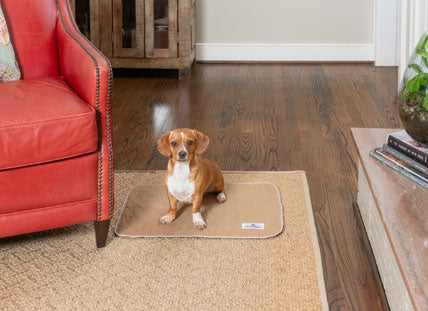
Credit: petparentsbrand.com
Choosing The Right Pee Pad
Choosing the right pee pad plays a big role in training an older dog. A good pad can make the process easier and cleaner. It helps your dog feel comfortable and reduces accidents. Picking the right one depends on your dog’s size and habits.
Types Of Pee Pads
Pee pads come in several types. Some have a plastic backing to stop leaks. Others use extra layers to absorb liquid quickly. Some pads have a scent that attracts dogs. Choose a type that suits your dog’s needs and your cleaning routine.
Size And Absorbency
Size matters for older dogs. Bigger dogs need larger pads to cover more area. Absorbency is also key. A pad with high absorbency keeps the floor dry. It prevents odors and makes cleaning easier. Check the pad’s absorbency rating before buying.
Placement Tips
Place the pad in a quiet, easy-to-reach spot. Avoid busy or noisy areas that may scare your dog. Keep the pad in the same place at first. This helps your dog learn where to go. Change the location slowly if needed.
Credit: www.zbf.be
Preparing Your Dog For Training
Preparing your older dog for pee pad training sets the foundation for success. This stage helps your dog adjust smoothly to new habits. It reduces stress and confusion during training. Start by checking your dog’s health. Then create a consistent daily schedule. Finally, gather all needed supplies before training begins. These steps make the process easier for both you and your dog.
Assessing Your Dog’s Health
Check your dog’s health with a vet visit first. Older dogs may have health problems affecting bathroom habits. Issues like arthritis or bladder infections can cause accidents. A vet can suggest treatments or adjustments for training. Healthy dogs learn new routines faster and with less stress. This step ensures your dog is ready for training physically.
Setting A Routine
Choose specific times for bathroom breaks each day. Older dogs benefit from regular schedules. Consistent timing helps them understand when to use the pee pad. Include times after meals, naps, and play sessions. Keep the routine simple and easy to follow. Repetition builds habits and reduces accidents. Stick to the schedule to help your dog learn quickly.
Gathering Training Supplies
Prepare all necessary items before training starts. Buy good-quality pee pads that absorb well and stay in place. Have cleaning supplies ready for accidents to keep the area clean. Use treats or toys as rewards for successful potty trips. A small barrier or mat can help define the pee pad area. Having these supplies ready makes training smoother and less stressful.
Introducing The Pee Pad
Introducing a pee pad to an older dog requires patience and care. It helps your dog learn a new spot for bathroom needs inside the house. Older dogs may take time to adjust, so start gently. Make the pad a positive and inviting place. This section guides you through easy steps to introduce the pee pad successfully.
Familiarizing Your Dog
Let your dog see and smell the pee pad first. Place it in a quiet, accessible corner. Avoid moving it too often. Allow your dog to get used to its presence. Watch your dog’s reactions and comfort level. Repeat this step for a few days to build familiarity.
Using Positive Reinforcement
Praise your dog when it shows interest in the pad. Use treats or soft words to reward any good behavior. Never punish your dog for accidents. Rewarding encourages your dog to use the pad again. Keep rewards consistent and immediate after use.
Encouraging Exploration
Invite your dog to walk near and on the pee pad. Use a leash gently if needed. Play near the pad to create positive feelings. Let your dog sniff and explore without pressure. This builds comfort and reduces fear of the new item.
Establishing A Training Schedule
Creating a clear training schedule helps your older dog learn to use a pee pad quickly. Consistency is key. Dogs understand routines better than random timing. A good schedule sets expectations and builds good habits.
Start by planning regular times for bathroom breaks. Keep the schedule simple and steady. This makes the process less confusing for your dog.
Timing Bathroom Breaks
Choose specific times to bring your dog to the pee pad. After meals, naps, and playtime are good moments. Older dogs often need to go more frequently. Watch for signs like sniffing or circling. These moments signal it’s time for the pad.
Monitoring Behavior
Pay close attention to how your dog acts throughout the day. Note when they try to go outside the pad. Catching these signals early helps prevent accidents. Keep a journal if needed. This helps identify patterns and times your dog needs to go.
Adjusting As Needed
Flexibility is important. Some days your dog might need more bathroom breaks. Change your schedule based on your dog’s needs. Increase or decrease timing slowly. This avoids confusion and keeps your dog comfortable with the routine.
Handling Accidents Calmly
Handling accidents calmly is important when training an older dog to use a pee pad. Dogs may have accidents as they learn new habits. Staying calm helps your dog feel safe and reduces stress. It also supports better training results. Patience and gentle care make a big difference during this process.
Cleaning Techniques
Clean accidents quickly to remove smells. Use a pet-safe cleaner designed for urine. Avoid strong chemicals that might scare your dog. Rinse the area well to remove all residue. This stops your dog from returning to the same spot. Cleanliness keeps your home fresh and encourages good habits.
Avoiding Punishment
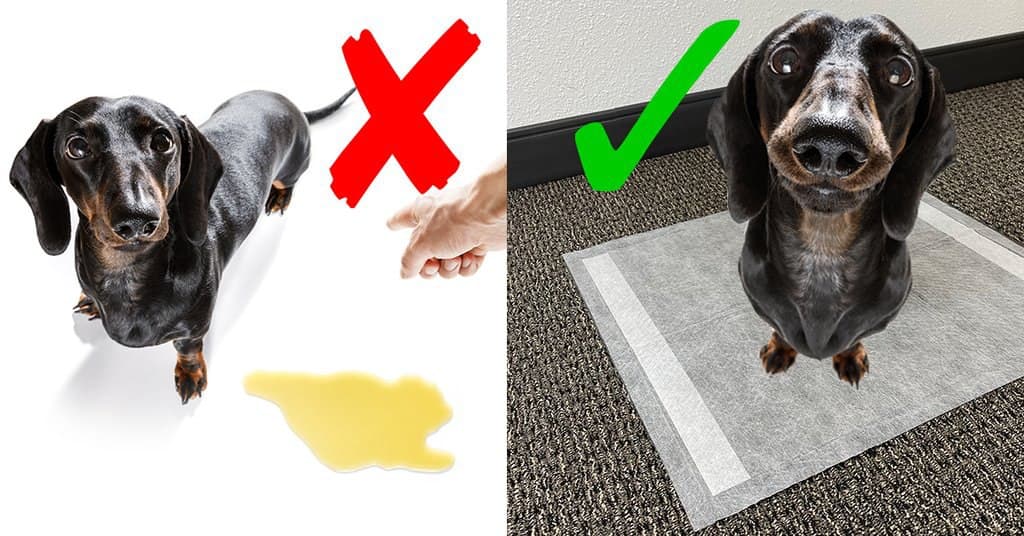
Do not punish your dog for accidents. Punishment can cause fear and confusion. It may make your dog hide or avoid you. Instead, stay calm and use a soft voice. Positive feelings help your dog learn faster. Focus on rewarding good behavior instead of punishing mistakes.
Redirecting To Pee Pad
Guide your dog gently to the pee pad after accidents. Use a calm voice and lead them to the pad. Reward your dog when they use the pad correctly. Repeat this often to build a strong habit. Clear direction helps your dog understand what you want.
Maintaining Consistency
Maintaining consistency is key to training an older dog to use a pee pad. Dogs thrive on routine and clear signals. Consistent actions help your dog understand what you expect. This reduces confusion and speeds up training.
Stick to a regular schedule for bathroom breaks. Always place the pee pad in the same spot. Use the same words or commands each time. Consistency makes learning easier and builds good habits.
Reinforcing Good Habits
Praise your dog immediately after using the pee pad. Use gentle words and petting to show approval. Reward treats can also motivate your dog. Avoid punishment for accidents. Instead, guide your dog back to the pad calmly.
Repeat rewards every time your dog uses the pad correctly. This strengthens positive behavior. Over time, your dog will connect the pee pad with good outcomes.
Involving Family Members
Everyone in the household should follow the same training rules. Consistent commands and routines help your dog avoid confusion. Ask family members to praise and reward your dog too. Make sure all understand the training plan clearly.
Sharing the responsibility speeds up learning. Your dog feels more secure with a united approach.
Keeping The Pee Pad Area Clean
Clean the pee pad area often to prevent odors. Dogs may avoid dirty spots. Dispose of used pads promptly. Wash the floor or surrounding area if needed.
A clean space encourages your dog to use the pad. It shows respect for your dog’s comfort and health.
Dealing With Common Challenges
Training an older dog to use a pee pad can come with challenges. These hurdles often slow progress. Knowing how to handle them helps keep training smooth. Patience and understanding make a big difference. Let’s explore common challenges and ways to manage them effectively.
Resistance To Pee Pad
Older dogs may resist using pee pads at first. They might be used to going outside. The smell or texture may feel strange to them. Try placing the pad where they usually go. Praise them gently when they use it right. Avoid forcing or scolding, which can cause fear. Consistent encouragement helps reduce resistance over time.
Health-related Issues
Health problems can affect potty training success. Older dogs may have bladder control issues or arthritis. These conditions make it harder to reach the pad on time. Visit a vet to check for health concerns. Adjust training to fit your dog’s condition. Use more pads if needed and keep them close. This support makes accidents less likely and training easier.
Adjusting For Senior Dog Needs
Senior dogs have special needs during training. They may tire quickly or have poor vision. Keep training sessions short and calm. Use soft lighting and quiet spaces for comfort. Choose extra-absorbent pads to handle accidents better. Frequent breaks help your dog stay comfortable. Tailoring the training to their needs improves success and trust.

Credit: www.youtube.com
Frequently Asked Questions
How Long Does It Take To Train An Older Dog To Use A Pee Pad?
Training time varies but usually takes a few weeks with consistent effort and patience.
What Is The Best Way To Introduce A Pee Pad To An Older Dog?
Place the pee pad in a quiet, accessible area and encourage your dog to use it regularly.
How Often Should I Take My Older Dog To The Pee Pad?
Take your dog to the pee pad every 2-3 hours, especially after meals and naps.
Can Older Dogs Learn To Use A Pee Pad Easily?
Yes, older dogs can learn with gentle guidance and positive reinforcement.
What Are Common Mistakes To Avoid When Training Older Dogs?
Avoid punishment, inconsistency, and placing the pad in a noisy or hard-to-reach spot.
How Do I Clean And Maintain Pee Pads For Older Dogs?
Change pads frequently and clean surrounding areas with pet-safe cleaners to prevent odors.
Conclusion
Training an older dog to use a pee pad takes time and patience. Stay consistent with your routine every day. Praise your dog when it uses the pad correctly. Watch for signs that your dog needs to go. Keep the pee pad clean and in the same spot.
Remember, small steps lead to big progress. Your dog will learn and feel comfortable soon. This method helps both you and your pet stay happy. Keep trying, and the results will follow.
As an Amazon Associate, I earn from qualifying purchases.