If you have livestock, you know how important it is to keep them safe from predators. A well-trained livestock guardian dog can be your best defense.
But training one takes patience, the right approach, and understanding your dog’s natural instincts. In this guide, you’ll learn simple, effective steps to train your guardian dog to protect your animals confidently and calmly. Keep reading, and you’ll discover how to turn your dog into a trusted protector your livestock can rely on every day.
Choosing The Right Guardian Dog
Choosing the right guardian dog is the first step in protecting your livestock. The right dog can keep predators away and keep animals safe. Each dog breed has unique traits that suit different farming needs. Understanding these traits helps you make a smart choice.
Popular Guardian Dog Breeds
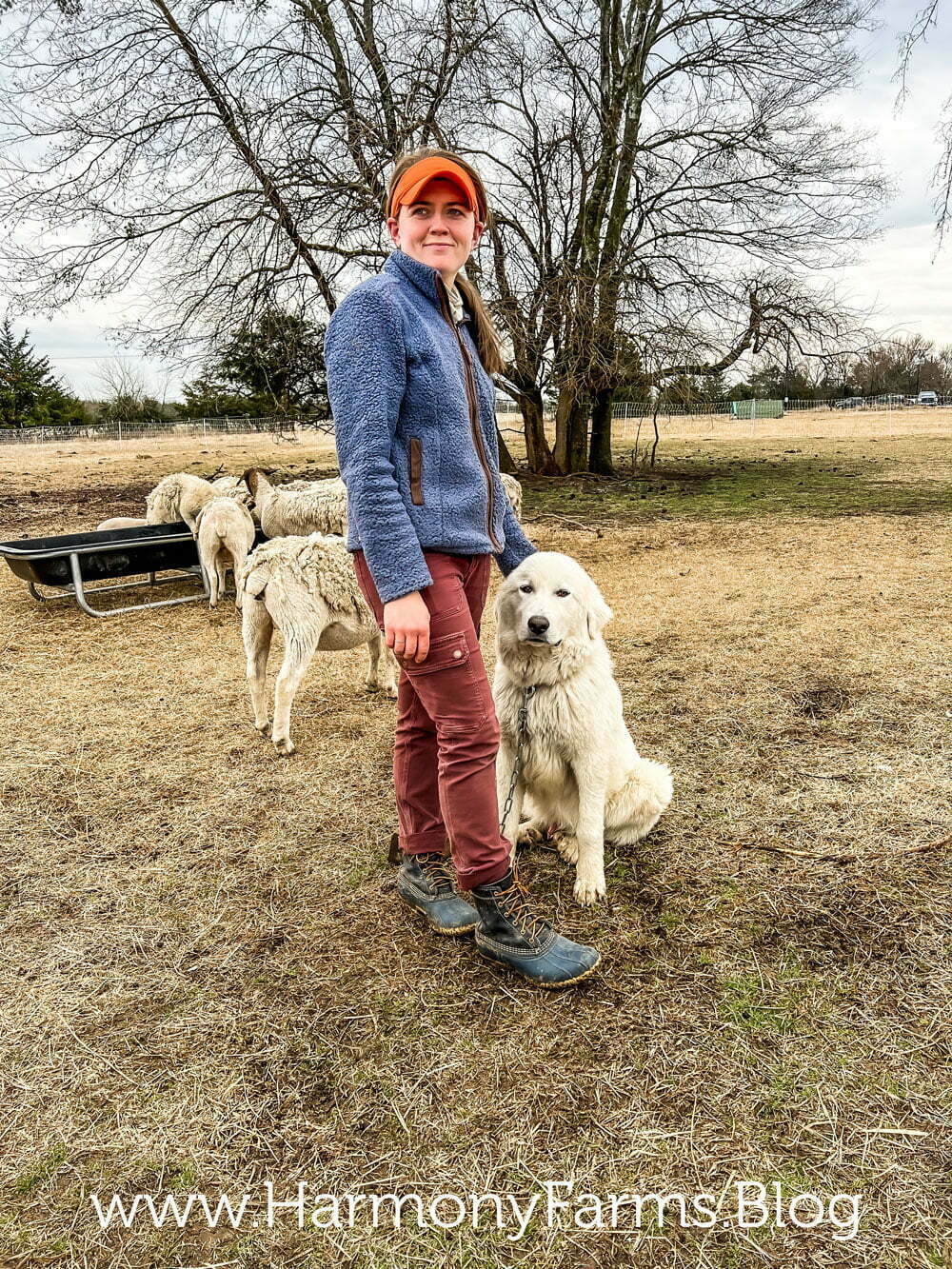
Some dog breeds are known for guarding livestock. Great Pyrenees are calm and strong. Anatolian Shepherds are very alert and protective. Maremma Sheepdogs are loyal and gentle with animals. Each breed has a history of working closely with farmers.
Assessing Temperament And Traits
A good guardian dog must be confident but not aggressive without cause. They need patience to stay calm around animals. Loyalty to the herd is very important. The dog should be able to think independently and make decisions. Look for dogs that show protective behavior naturally.
Matching Dog To Livestock Type
Different livestock needs different protection. Sheep need quieter dogs that blend in. Cattle need strong dogs that can handle large animals. Goats may require dogs with high energy and alertness. Choose a dog that fits your specific animals and environment.
Preparing Your Property
Preparing your property is a key step in training a livestock guardian dog. A safe, well-organized space helps the dog learn faster. It also keeps your animals and dog protected. Setting clear boundaries and training zones creates a calm environment. This lets the dog focus on its new role without distractions.
Safe Enclosures And Boundaries
Start with secure fences around your property. Make sure fences are tall and strong. This stops your dog and livestock from escaping. Avoid gaps or weak spots where animals can slip through. Use gates that close tightly to control access. Clear boundaries help your dog understand its patrol area. Mark fences with visible signs or flags for the dog. Regularly check fences to keep them in good shape.
Designated Training Areas
Choose quiet spots for training sessions. Pick areas away from noise and heavy traffic. This keeps your dog calm and focused. Use open spaces with soft ground for comfort. Make sure the training zone is safe from hazards. Keep training tools nearby but out of reach. Separate training areas help your dog associate space with learning. Change spots occasionally to keep the dog alert.
Introducing Dogs To Livestock Space
Let your dog meet the livestock slowly. Start with short visits in a controlled space. Watch the dog’s behavior and keep it calm. Allow the dog to sniff and observe animals safely. Never force interaction if the dog seems scared. Gradually increase time spent with livestock each day. Praise calm, gentle behavior with treats or pets. This builds trust between dog and animals.
Early Socialization Techniques
Early socialization shapes a livestock guardian dog’s behavior and trust. Start socializing puppies soon after they open their eyes. Proper early experiences help dogs protect animals calmly and confidently. Socialization teaches puppies to accept livestock as part of their family and environment.
Introducing Puppies To Livestock
Introduce puppies to livestock in a quiet, safe place. Let them see and smell the animals from a distance first. Gradually shorten the distance as puppies stay calm. Always supervise these meetings to prevent stress or accidents. Repeat often to build familiarity and comfort around livestock.
Building Positive Associations
Use treats and gentle praise to reward calm behavior near livestock. Pair positive moments with the presence of animals. This helps puppies link livestock with good things. Avoid punishment to keep trust strong. Positive experiences create eager and confident guardian dogs.
Handling Fear And Aggression
Watch for signs of fear or aggression during socialization. Stay calm and give puppies space to relax. Slowly expose them to livestock again with more distance. Use soft voices and treats to ease tension. Seek help from a trainer if fear or aggression grows.
Basic Obedience Training
Basic obedience training is the first step in raising a well-behaved livestock guardian dog. This training helps the dog understand what you expect. It builds a strong bond between you and your dog. A good foundation in obedience keeps your dog safe and effective in its role.
Start training early, ideally when the dog is a puppy. Keep sessions short and clear. Dogs learn best with simple commands and clear signals. Consistent training helps the dog focus and remember lessons.
Essential Commands For Guardian Dogs
Teach your dog basic commands like “sit,” “stay,” “come,” and “leave it.” These commands control the dog’s behavior around livestock. “Stay” prevents the dog from chasing animals. “Come” ensures the dog returns to you quickly. “Leave it” stops unwanted actions, like chasing or eating harmful plants.
Guardian dogs also need commands for guarding, such as “watch” or “guard.” These help the dog know when to protect the flock. Practice commands often to build good habits.
Using Positive Reinforcement
Use treats, praise, and petting to reward good behavior. Positive reinforcement encourages the dog to repeat actions you like. Never use punishment or harsh methods. This can make the dog scared or aggressive.
Give rewards immediately after the dog follows a command. This helps the dog connect the reward with the action. Over time, reduce treats but keep praising the dog.
Consistency And Patience In Training
Train every day, even for a few minutes. Regular practice helps the dog learn faster. Use the same commands and signals every time. This avoids confusion.
Be patient. Some dogs take longer to learn new commands. Stay calm and keep training fun. A calm trainer makes a calm dog. Good things take time.
Specialized Guardian Training
Specialized guardian training is key to raising a strong livestock guardian dog. This training builds on the dog’s natural instincts. It teaches the dog how to protect animals safely and effectively. The process includes exercises to sharpen instincts, patrol property, and manage aggression. Each step helps the dog understand its role clearly.
Instinct Development Exercises
Start by encouraging the dog’s natural protective instincts. Use controlled situations with livestock nearby. Let the dog observe and learn to stay calm around animals. Practice simple commands like “stay” and “watch” to focus attention. Reward the dog for calm and alert behavior. These exercises help the dog connect with the animals it will guard.
Patrolling And Alert Behavior
Teach the dog to patrol the area regularly. Walk with the dog around the property and encourage it to explore. Use a leash at first to guide the dog’s movement. Train the dog to bark or alert you when strangers or predators appear. Praise the dog for alerting without chasing or attacking. This builds confidence and helps the dog understand its protective duties.
Discouraging Unwanted Aggression
Not all aggression is good for a guardian dog. Teach the dog to stay calm and controlled. Interrupt any biting or growling that is too intense. Use firm commands like “no” or “leave it.” Reward calm behavior around people and other animals. This helps the dog protect without causing harm to friends or livestock.

Credit: www.youtube.com
Monitoring Progress And Behavior
Monitoring your livestock guardian dog’s progress and behavior is crucial during training. It helps ensure the dog learns well and stays healthy. Careful observation allows timely adjustments to methods. This approach leads to better results and a happier dog.
Tracking Training Milestones
Set clear goals for each training phase. Note when your dog masters commands or tasks. Keep a simple journal or chart to record successes. Small wins build confidence for both you and your dog. Celebrate progress to stay motivated throughout training.
Recognizing Stress And Fatigue
Watch for signs of stress like excessive panting or pacing. Fatigue shows in slower responses or refusal to obey. Take breaks if your dog seems tired or anxious. Proper rest helps maintain focus and learning ability. A relaxed dog learns better and bonds more with you.
Adjusting Techniques As Needed
Change training methods if your dog struggles or resists. Try shorter sessions or different rewards to keep interest high. Use gentle corrections instead of harsh punishments. Adapt to your dog’s pace for steady improvement. Flexibility in training leads to a stronger relationship and better skills.
Maintaining Long-term Success
Maintaining long-term success with a livestock guardian dog requires consistent effort and care. The dog must stay alert, healthy, and well-trained to protect livestock effectively. Regular activities and attention help the dog perform its role well over time.
Ongoing Training And Reinforcement
Training does not end after the first few months. Keep practicing commands and good behaviors daily. Use positive rewards like treats and praise to encourage the dog. Correct unwanted actions gently but firmly. Regular training sessions keep the dog sharp and focused on its duties.
Health And Nutrition For Performance
Good health supports the dog’s energy and alertness. Provide high-quality food that fits the dog’s size and activity level. Fresh water must always be available. Schedule regular vet visits to check for illness or injuries. Healthy dogs guard better and last longer in the field.
Building A Strong Bond With Your Dog
Trust between you and your dog improves work and safety. Spend time together outside of training. Play, walk, and talk calmly to your dog. Show kindness and patience during challenges. A strong bond makes the dog loyal and protective of the livestock.

Credit: homesteadersofamerica.com
Credit: www.shepherdess.com
Frequently Asked Questions
How Long Does It Take To Train A Livestock Guardian Dog?
Training usually takes 6 to 12 months with consistent daily practice and socialization.
What Is The Best Age To Start Training A Guardian Dog?
Start training puppies at 8 to 10 weeks for best bonding and learning.
How Do Guardian Dogs Protect Livestock Effectively?
They stay close, bark loudly, and scare away predators without harming them.
Can Guardian Dogs Live With Other Pets On The Farm?
Yes, but early socialization with other animals is important for harmony.
What Basic Commands Should Guardian Dogs Learn First?
Teach “come,” “stay,” “quiet,” and “leave it” for safety and control.
How Often Should You Train A Livestock Guardian Dog?
Daily short sessions of 10-15 minutes keep skills sharp and build trust.
Conclusion
Training a livestock guardian dog takes time and patience. Start early and be consistent every day. Use clear commands and reward good behavior. Socialize the dog with animals and people gently. Protect your livestock by building trust with your dog.
Keep training sessions short to hold their attention. Remember, a well-trained guardian dog keeps your animals safe. Stay calm and positive throughout the process. Your hard work will bring great results. Trust the journey and enjoy the bond you create.
As an Amazon Associate, I earn from qualifying purchases.