If you need to get a muzzle for your dog, knowing how to measure it correctly is key. A muzzle that fits just right keeps your dog comfortable and safe.
But if it’s too tight or too loose, it can cause stress or even harm. You might be wondering, “Where do I start? ” or “What’s the best way to get the perfect fit? ” This guide will walk you through simple steps to measure your dog’s muzzle accurately.
By the end, you’ll feel confident choosing a muzzle that suits your furry friend perfectly. Keep reading to learn exactly what you need to do!

Credit: www.bigsnoofdoggear.com
Choosing The Right Muzzle Type
Choosing the right muzzle type is important for your dog’s safety and comfort. The right muzzle helps control behavior without causing pain. Different muzzles suit different dogs and situations. Understanding the types will help you pick the best fit for your dog.
Common Muzzle Styles
Basket muzzles allow dogs to breathe and pant easily. They are good for longer wear times. Soft muzzles wrap tightly around the nose. They limit biting but may restrict panting. Mesh muzzles are lightweight and fit snugly. They work well for short periods. Each style serves a different need and comfort level.
Materials And Comfort
Muzzles come in leather, nylon, rubber, and plastic. Leather is durable and soft on the skin. Nylon is light but can irritate fur. Rubber offers flexibility but can be hot. Plastic baskets are sturdy and airy. Choose a material that suits your dog’s skin and activity level.
Purpose-based Selection
Consider why you need a muzzle. For vet visits, a soft muzzle may work best. Training or walks need a basket muzzle for comfort. Aggressive dogs may require stronger, secure types. Always match the muzzle to your dog’s behavior and daily needs.
Essential Tools Needed
Measuring your dog for a muzzle needs the right tools. Using the correct supplies helps get an accurate fit. This ensures comfort and safety for your dog.
Below are the essential tools that make measuring easy and precise.
Measuring Tape Tips
Use a soft measuring tape, like the kind for sewing. It bends easily around your dog’s face. Avoid metal tapes that might hurt your dog or give wrong numbers.
Keep the tape snug but not tight. Measure from the tip of the nose to behind the eyes. Also, check around the widest part of the snout. Write down each measurement clearly.
Repeat measurements to be sure. Dogs may move, so patience is key.
Additional Supplies
Have a notepad or phone ready to record numbers. A helper can hold your dog still and calm. Treats work well to keep your dog happy during measuring.
A calm space helps your dog feel safe. Avoid noisy or busy areas. Proper lighting is useful to see the tape and your dog’s face clearly.
Key Measurements To Take
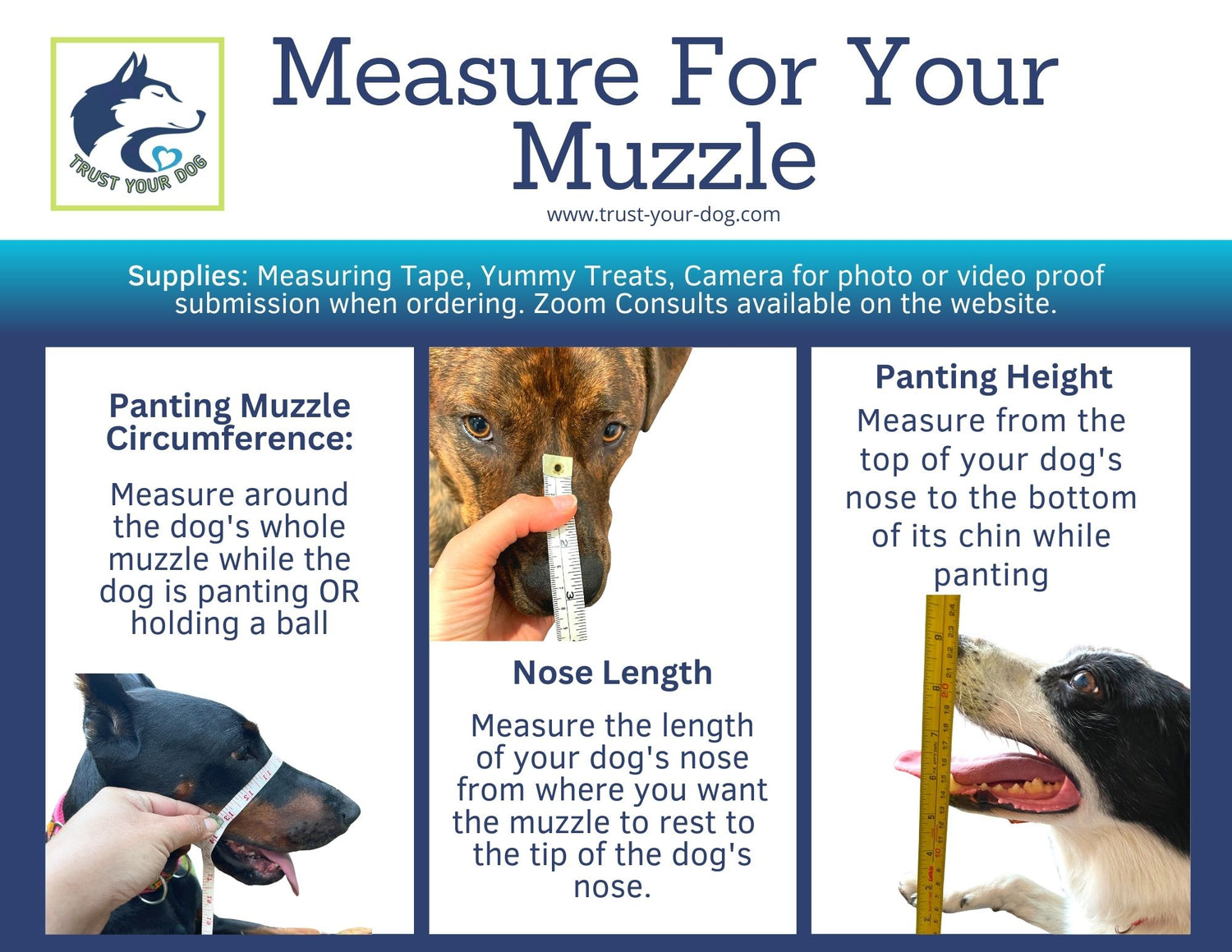
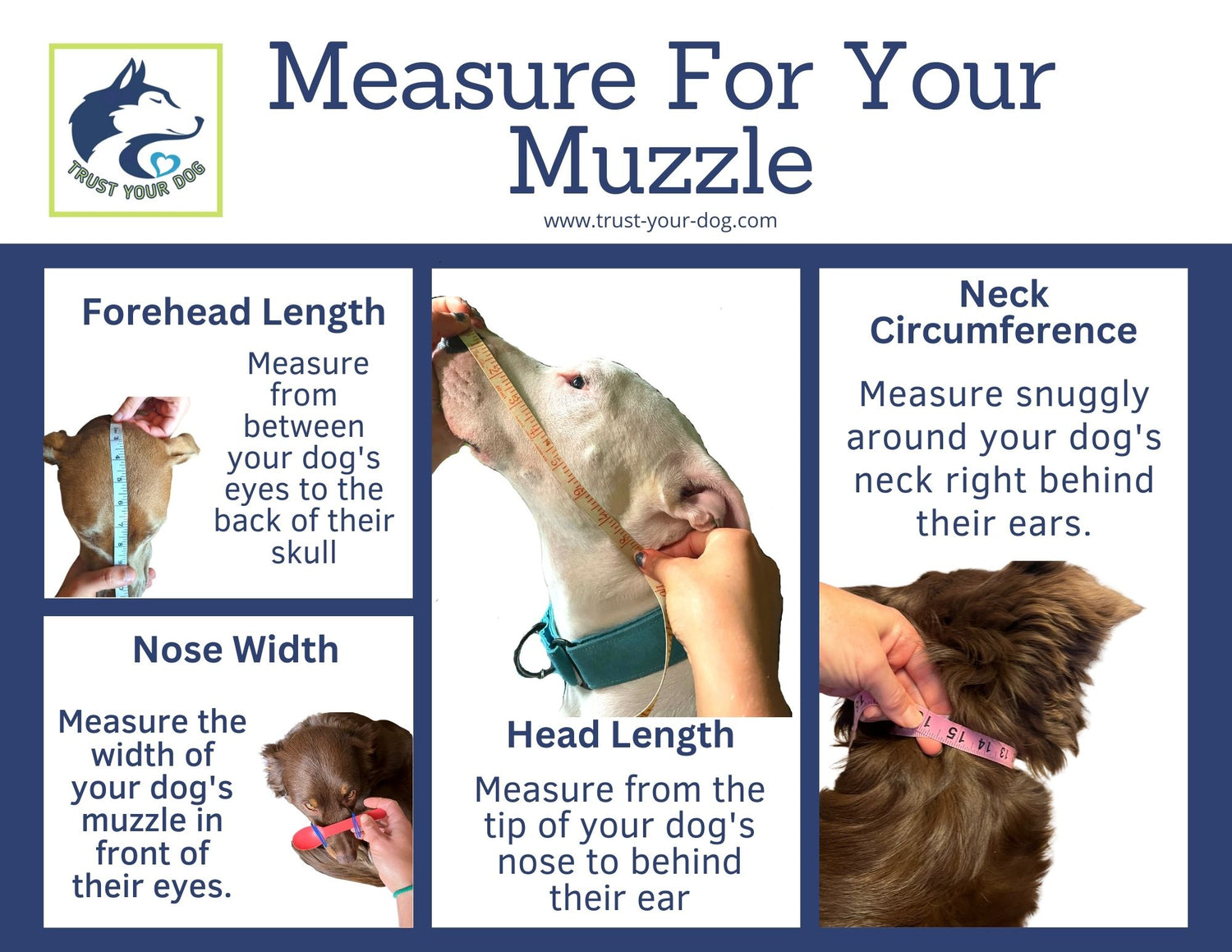
Measuring your dog’s muzzle correctly is very important for a comfortable fit. Taking the right measurements helps choose a muzzle that is safe and secure. Focus on three main areas: the snout length, snout circumference, and neck circumference.
Measuring Snout Length
Start by measuring the length of your dog’s snout. Use a soft tape measure. Place it at the base of the snout, near the eyes. Measure straight to the tip of the nose. This length tells you how long the muzzle should be.
Measuring Snout Circumference
Next, measure around the widest part of the snout. This is usually near the nose bridge. Wrap the tape measure gently but snugly. This measurement ensures the muzzle is not too tight or loose.
Measuring Neck Circumference
Lastly, measure your dog’s neck where the muzzle strap will rest. Use the tape measure around the thickest part of the neck. This helps select the correct strap size. A good fit prevents the muzzle from slipping off.
Credit: trust-your-dog.com
Step-by-step Measuring Process
Measuring a muzzle for your dog is simple and important. Getting the right size ensures comfort and safety. Follow these steps carefully for the best fit.
Preparing Your Dog
Choose a calm place with few distractions. Let your dog relax before starting. Use a gentle voice to keep your dog calm. Have treats ready to reward good behavior. Make sure your dog is standing or sitting still. This helps get the most accurate measurements.
Taking Accurate Measurements
Use a soft tape measure for best results. Measure the length from the tip of the nose to the base of the snout. Next, measure around the widest part of the snout. Also, measure the circumference just below the eyes. Write down each number clearly. Accuracy here ensures the muzzle fits well.
Double Checking For Accuracy
Measure each part twice for safety. Compare your notes to see if numbers match. If numbers differ, measure a third time. Check that the tape is snug but not tight. Confirm your dog stays still during measuring. This step avoids mistakes and discomfort later.
Common Measuring Mistakes To Avoid
Measuring a muzzle for your dog is important. Mistakes in measuring can cause discomfort or safety risks. Avoiding common errors helps ensure the muzzle fits well and your dog stays safe. Here are key mistakes to watch out for.
Too Tight Or Too Loose
A muzzle that is too tight can hurt your dog’s skin and cause pain. It might also make breathing or panting hard. A loose muzzle can slip off easily. It won’t protect your dog or others properly. Measure carefully to find the right fit. The muzzle should sit snugly but not squeeze.
Ignoring Comfort And Safety
Comfort matters as much as fit. A muzzle that irritates or rubs will stress your dog. Look for soft padding or materials that won’t chafe. Make sure the muzzle allows your dog to open its mouth slightly. This helps with panting and drinking water. Safety comes first, so choose a muzzle that fits well and feels good.
Adjusting Muzzle Fit For Comfort
Adjusting the muzzle fit is key for your dog’s comfort and safety. A well-fitted muzzle prevents stress and allows normal behavior. Take time to check and adjust every part carefully. A good fit means your dog can breathe, pant, and drink water easily. Comfort helps your dog stay calm and relaxed.
Checking Fit Around Snout
Measure the snout to avoid tightness or looseness. The muzzle should sit snugly but not squeeze the nose. Leave enough space to fit one or two fingers between the muzzle and the snout. Watch for any rubbing or red marks after wearing. Adjust size if the muzzle feels too tight or slips off easily.
Ensuring Proper Ventilation
Good airflow is essential for your dog’s health. The muzzle must allow your dog to breathe and pant freely. Check that the muzzle has holes or mesh for air circulation. Avoid designs that block the nose or mouth completely. Proper ventilation prevents overheating and discomfort.
Adjusting Straps Correctly
Straps keep the muzzle in place without causing pain. Tighten the straps so the muzzle stays secure but not too tight. Straps should rest comfortably behind the ears or around the head. Use adjustable straps to customize the fit for your dog. Check straps regularly for wear and tear and adjust if needed.
Training Your Dog To Wear A Muzzle
Training your dog to wear a muzzle takes patience and care. It is important to help your dog feel safe and calm. This process should be gentle and slow. Dogs need time to get used to new things. Muzzles can protect your dog and others in certain situations. Teaching your dog to accept a muzzle helps reduce stress for both of you.
Introducing The Muzzle Gradually
Start by showing the muzzle to your dog. Let your dog sniff and explore it. Do not force the muzzle on your dog at first. Place treats near or inside the muzzle. Allow your dog to eat the treats comfortably. Slowly move the muzzle closer to your dog’s face. Repeat this step over several days.
Positive Reinforcement Tips
Use treats and praise to reward your dog. Give a treat every time your dog stays calm. Speak in a soft and happy tone. Avoid punishment or harsh words. Make wearing the muzzle a positive experience. Play favorite games after putting on the muzzle. This helps your dog feel good about it.
Monitoring Behavior And Comfort
Watch your dog’s body language carefully. Look for signs of stress or discomfort. Remove the muzzle if your dog is too upset. Check the fit to ensure it is not too tight. The muzzle should allow panting and drinking. Adjust the muzzle for comfort before longer use. Always supervise your dog while wearing a muzzle.
When To Replace Or Upgrade The Muzzle
Knowing when to replace or upgrade your dog’s muzzle is important. A well-fitting muzzle keeps your dog safe and comfortable. Over time, muzzles can wear out or no longer fit properly. Watch for changes that mean it’s time for a new one. This helps avoid discomfort or escape risks. Pay attention to your dog’s needs as they grow or change behavior.
Signs Of Wear And Tear
Check the muzzle often for damage. Cracks, tears, or broken straps show wear. Worn parts can cause pain or fail to secure the muzzle. Dirt buildup and stretched material reduce fit and safety. Replace the muzzle if it looks damaged or fragile. A fresh muzzle keeps your dog safe and happy.
Changes In Dog’s Size Or Behavior
Dogs grow and change shape over time. A muzzle that once fit well might become too tight or loose. Puppies especially need new muzzles as they grow fast. Behavior changes can also mean a new muzzle is needed. If your dog shows more stress or tries to remove the muzzle, check the fit. A better muzzle style might suit new needs or habits. Always ensure the muzzle matches your dog’s current size and behavior.
Credit: trust-your-dog.com
Frequently Asked Questions
How Do I Measure My Dog’s Snout For A Muzzle?
Use a soft tape to measure around the widest part of your dog’s snout, just below the eyes.
What Is The Right Muzzle Size For My Dog?
The muzzle should fit snugly but not tight, allowing your dog to pant and drink water comfortably.
Can I Use A Cloth Tape To Measure My Dog’s Muzzle?
Yes, a cloth or flexible tape measure works best to get accurate measurements.
How To Measure The Length Of My Dog’s Muzzle?
Measure from the tip of the nose to just below the eyes to find the muzzle length.
Why Is Accurate Muzzle Measurement Important?
Proper measurement ensures comfort and safety, preventing the muzzle from being too tight or loose.
How Often Should I Re-measure My Dog’s Muzzle Size?
Re-measure every few months or if your dog gains or loses weight for the best fit.
Conclusion
Measuring your dog’s muzzle is simple and important. It helps find the right fit for safety and comfort. Use a soft tape to measure carefully. Focus on the nose, snout length, and head circumference. Take your time and be gentle with your dog.
A well-measured muzzle keeps your dog calm and secure. Always check the fit before use. Proper measurement avoids discomfort and stress. Keep these tips in mind for a happy pet. Your dog will thank you for the care.
As an Amazon Associate, I earn from qualifying purchases.