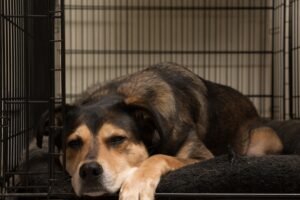
Has your dog been acting stiff or limping after a recent vaccination? If so, you’re not alone—and it’s important to know how to help your furry friend feel better quickly.
Leg pain after vaccination can be worrying, but with the right steps, you can ease your dog’s discomfort and support a smooth recovery. You’ll discover simple, effective ways to treat your dog’s leg pain and understand when it’s time to seek professional help.
Keep reading to ensure your pet stays happy and healthy after their shots.
Causes Of Leg Pain After Vaccination
Leg pain after a dog’s vaccination can worry many pet owners. Understanding the causes helps in managing it well. This pain can result from the body’s natural reaction to the vaccine or the injection itself. Knowing the reasons helps you watch your dog closely and provide comfort.
Common Vaccine Reactions
Vaccines teach a dog’s body to fight diseases. This process can cause mild side effects. Some dogs feel tired, have a slight fever, or show mild pain in the leg. These reactions usually last a day or two. They are normal signs the vaccine is working.
Injection Site Sensitivity
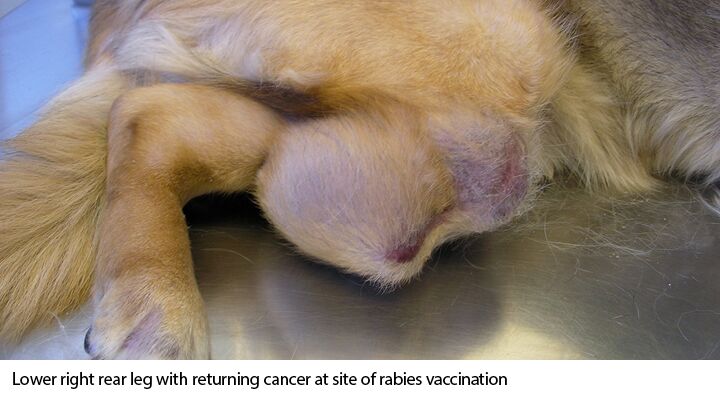
The vaccine is given through a needle in the leg muscle. This area may become sore or tender. The skin might feel warm or look red around the spot. Dogs may lick or bite the area because it feels uncomfortable. This soreness usually goes away within a few days.
Inflammation And Swelling
Inflammation is the body’s way to protect itself. After vaccination, the leg may swell slightly. This swelling can cause stiffness or pain when the dog moves. It is a sign the immune system is active. The swelling should reduce as the body calms down.

Credit: www.reddit.com
Recognizing Symptoms In Dogs
Recognizing symptoms of leg pain in dogs after vaccination helps in early care. Dogs cannot tell us about their pain. Observing changes in their body and behavior is key. Watch closely for any signs that seem out of the ordinary. Early detection can prevent more serious problems.
Signs Of Pain And Discomfort
Look for limping or favoring one leg. Swelling or redness near the injection site can appear. Dogs may lick or bite the sore area often. Whining or yelping when touched shows pain. Stiffness or difficulty standing up also signals discomfort.
Changes In Mobility
Notice if your dog moves less than usual. Avoiding stairs or jumping is common. Slow walking or dragging a leg can occur. Some dogs may hold their leg up. These changes show their leg is hurting.
Behavioral Indicators
A painful dog may act withdrawn or tired. They might hide or avoid playing. Loss of appetite can happen. Restlessness or pacing could also mean discomfort. Pay attention to mood shifts after vaccination.
Home Care Strategies
After your dog has a vaccination, some leg pain may occur. This pain usually goes away with simple care at home. You can help your dog feel better and heal faster. Here are easy home care strategies to ease leg pain after vaccination.
Rest And Restricted Activity
Rest is key to help your dog’s leg heal. Limit their running, jumping, and playing for a few days. Keep your dog calm and avoid long walks. Rest helps reduce swelling and stops extra strain on the sore leg.
Cold And Warm Compresses
Cold compresses help reduce pain and swelling in the first 24 hours. Use a clean cloth with ice wrapped inside. Apply it for 10 minutes several times a day. After 24 hours, switch to warm compresses. Warmth relaxes muscles and improves blood flow. Use a warm towel for 10 minutes, but never too hot.
Pain Relief Options
Some dogs may need pain relief after vaccination. Always ask your vet before giving medicine. Do not use human painkillers. Your vet might suggest safe options like dog-specific anti-inflammatory drugs. Follow the dosage instructions carefully. Never give medicine without vet advice.
When To Contact A Veterinarian
Knowing when to contact a veterinarian is important if your dog shows leg pain after vaccination. Some signs need quick medical attention. Watch your dog closely for any changes in behavior or health.
Severe Or Persistent Pain
Severe pain in your dog’s leg should not be ignored. If your dog limps a lot or cries when touching the leg, call the vet. Pain lasting more than two days needs a check-up. Do not wait for the pain to get worse.
Signs Of Infection
Infections can happen after vaccination. Look for redness, swelling, or warmth around the injection site. Pus or bad smell are clear infection signs. Fever or loss of appetite may also appear. A vet must treat infections quickly to avoid problems.
Allergic Reactions
Allergic reactions can be dangerous. Watch for swelling of the face, lips, or eyes. Difficulty breathing or vomiting is serious. Hives or itching are also warning signs. Call your vet immediately if these symptoms appear.
Preventing Future Leg Pain
Preventing leg pain in dogs after vaccination helps keep them comfortable. Careful steps before and after shots reduce risks. Knowing the right methods supports your dog’s health. Follow these tips to avoid future leg pain.
Proper Vaccination Techniques
Choose the right injection site for your dog’s size. Use a clean, sharp needle to reduce tissue damage. Give the vaccine slowly to lower pain. Trained vets know how to inject safely. Proper technique lowers the chance of soreness.
Post-vaccination Monitoring
Watch your dog for signs of pain after shots. Check for swelling, limping, or unusual behavior. Keep your dog calm and rested for 24 hours. Contact your vet if pain lasts or worsens. Early detection helps prevent serious issues.
Diet And Supplements
Feed a balanced diet to support healing and joint health. Add supplements like omega-3 fatty acids for inflammation. Vitamins C and E help tissue repair. Always talk to your vet before adding supplements. Good nutrition strengthens your dog’s body against pain.
Credit: www.dogsnaturallymagazine.com
Credit: lovelandregional.com
Frequently Asked Questions
What Causes Dog Leg Pain After Vaccination?
Dog leg pain after vaccination is usually due to mild inflammation or soreness at the injection site.
How Long Does Dog Leg Pain Last Post-vaccination?
Pain typically lasts 1 to 3 days and should improve without treatment during this time.
Can I Give My Dog Pain Relief After Vaccination?
You can give vet-approved pain relievers but never human medicine without consulting a vet first.
When Should I Worry About My Dog’s Leg Pain?
Seek vet help if pain lasts more than 3 days or if swelling and limping worsen.
How Can I Comfort My Dog With Leg Pain?
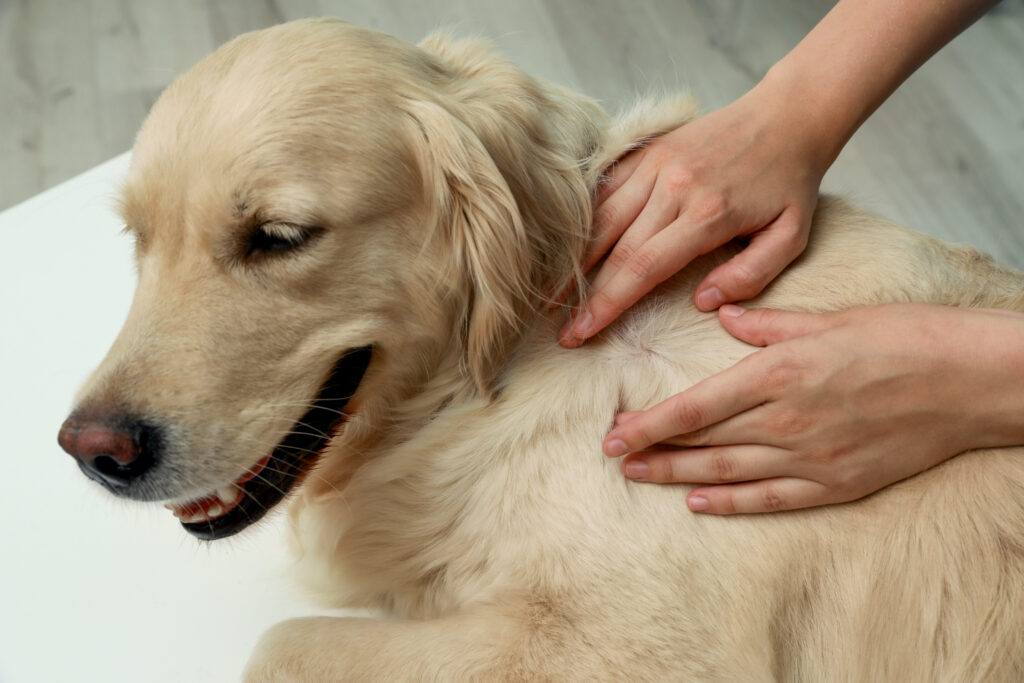
Provide rest, gentle massage, and a warm compress to ease soreness and help healing.
Are Allergic Reactions Common After Dog Vaccinations?
Allergic reactions are rare but can cause leg swelling or pain; immediate vet care is needed then.
Conclusion
Treating dog leg pain after vaccination requires care and patience. Watch your dog closely for any signs of discomfort. Offer rest and gentle touch to soothe the pain. Use cold compresses to reduce swelling if needed. Consult your vet if pain lasts or gets worse.
Early attention helps your dog heal faster. Keep your pet calm and comfortable during recovery. Your careful care makes a big difference in their healing.
As an Amazon Associate, I earn from qualifying purchases.