If you have a dog and are thinking about artificial insemination (AI), you probably wonder: how many times should you AI your dog? Getting this right is key to your dog’s health and the success of breeding.
Too few times might lower the chance of pregnancy, while too many could stress your dog or cause complications. You’ll discover the ideal timing and number of AI attempts to give your dog the best chance at a healthy litter.
Keep reading to learn the simple, effective steps that make all the difference.

Credit: www.talentlms.com
Basics Of Canine Artificial Insemination
Canine artificial insemination (AI) is a method to breed dogs without natural mating. It helps when natural breeding is difficult or not possible. AI allows safe and controlled breeding. It can improve the chances of pregnancy in some cases.
This process involves collecting sperm from a male dog and placing it into the female’s reproductive tract. The timing and technique are important for success. Knowing the basics helps dog owners and breeders make better decisions.
When Ai Is Recommended
AI is useful if the male or female dog has health problems. It also helps when dogs live far apart. Some male dogs may have difficulty mating naturally. AI is good for rare breeds to keep genetic diversity. It can reduce stress for shy or aggressive dogs.
Types Of Ai Methods
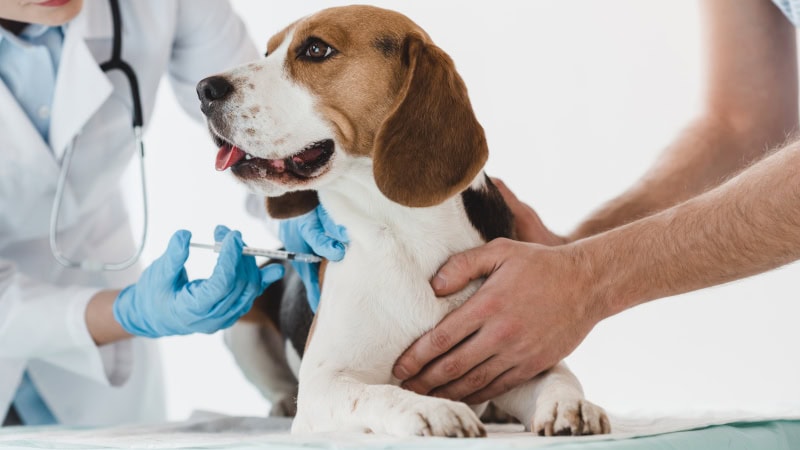
There are several AI methods for dogs. The most common are vaginal insemination and surgical insemination. Vaginal insemination is simple and less invasive. Surgical insemination is used when other methods fail. Another method is transcervical insemination, which is less invasive than surgery.
The choice depends on the dog’s health and the breeder’s goals. Each method has different success rates and costs.
Credit: plazavethospital.com
Timing For Artificial Insemination
Timing is key for successful artificial insemination (AI) in dogs. The right moment increases the chance of pregnancy and healthy puppies. Understanding a female dog’s fertile period helps decide the best time for AI.
Dogs have a specific window when they can conceive. Identifying this period requires careful observation and sometimes veterinary testing. Acting at the right time improves the success rate of insemination.
Detecting The Optimal Fertile Period
The fertile period usually lasts a few days during the estrus cycle. This phase is when the female dog is ready to mate and can conceive. Detecting this period involves tracking the dog’s heat cycle closely.
Veterinarians may use blood tests to measure hormone levels. These tests show when ovulation is near. Timing AI around ovulation maximizes the chance of fertilization.
Signs Of Ovulation In Dogs
Physical signs help spot ovulation in dogs. Swelling of the vulva is common during the fertile phase. The female may also show changes in behavior, like increased friendliness or restlessness.
Another sign is a change in vaginal discharge. It often becomes clearer and less thick. Monitoring these signs daily helps pinpoint the best time for AI.
Frequency Of Ai Procedures
Artificial insemination (AI) in dogs requires careful timing and planning. The frequency of AI procedures depends on several factors. These factors affect the chances of successful pregnancy and the health of the dog. Understanding how often to perform AI helps ensure better results.
Single Vs Multiple Inseminations
Some breeders perform a single insemination during the dog’s fertile period. This method can be enough if timing is perfect. Others prefer multiple inseminations to increase pregnancy chances. Multiple inseminations mean inseminating the female several times over a few days. This approach covers a wider fertile window. It helps when exact ovulation timing is uncertain.
Factors Influencing Ai Frequency
The dog’s health and age impact AI frequency. Younger, healthier dogs may need fewer procedures. Older or less fertile dogs might require more attempts. The quality of semen also matters. Fresh, high-quality semen might reduce inseminations needed. Frozen semen often requires more inseminations. Timing of ovulation is critical. Accurate detection of ovulation can lower the need for multiple AI sessions.
Preparing For Artificial Insemination
Preparing for artificial insemination (AI) is a key step in dog breeding. Proper preparation increases the chances of a healthy pregnancy. It also helps avoid complications. This process involves several important checks and choices before the AI procedure.
Health Checks And Tests
Start with a full health check for the female dog. A vet will examine her overall condition. Blood tests check for infections and diseases. Testing for parasites keeps the dog safe during pregnancy. The vet also checks the reproductive system. This ensures the dog is ready for AI. Good health reduces risks during insemination and pregnancy.
Selecting The Right Semen
Choose semen from a healthy, proven male dog. Quality semen increases the chance of fertilization. Frozen or fresh semen are both options. Fresh semen usually has higher fertility rates. Frozen semen offers more choices for breeding. Check the semen’s motility and sperm count. These factors affect success rates. Always buy semen from reputable breeders or banks.
Aftercare And Monitoring
After artificial insemination (AI), careful aftercare and close monitoring are very important. This helps ensure your dog stays healthy and comfortable. It also increases the chance of a successful pregnancy. Watch your dog’s behavior and health every day.
Keep the environment calm and clean. Avoid stressful activities or rough play. Provide fresh water and good food. Check her for any signs of discomfort or illness.
Post-ai Care Tips
Limit your dog’s physical activity after AI. Short, gentle walks are best. Avoid jumping or running. Keep her resting in a quiet space. Maintain a regular feeding schedule with nutritious food.
Keep an eye on her temperature and appetite. Take notes of any changes in behavior. Do not give any medication without your vet’s advice. Schedule a vet visit to discuss post-AI care and health checks.
Detecting Pregnancy Early
Early detection can help you prepare well. Watch for changes in appetite and energy. Some dogs may become tired or sleep more. Look for swelling in the abdomen or nipples. These signs usually appear 3 to 4 weeks after AI.
Use a vet ultrasound for confirmation. Your vet can also perform blood tests. Early pregnancy detection allows prompt care and support. Keep a close watch and report concerns to your vet immediately.

Credit: www.amazon.com
Common Challenges And Solutions
Artificial insemination (AI) in dogs can be tricky. Many owners face problems during the process. Knowing common challenges helps you handle them better. Solutions improve chances of success. This section explains key issues and how to solve them.
Dealing With Ai Failures
AI may fail for many reasons. Timing is often the main cause. The dog’s heat cycle must be right. Poor semen quality can also cause failure. Stress in dogs lowers success rates. Repeated attempts may be needed. Keep calm and try again after some days. Check all steps carefully. Use fresh, good quality semen. Follow vet advice on timing and care.
When To Consult A Specialist
Some problems need expert help. If AI fails several times, see a vet. A specialist can check your dog’s health. They may test hormone levels and fertility. Experts can suggest better timing or techniques. They also treat any hidden health issues. Consulting early saves time and stress. Do not wait too long to get help. Specialists increase chances of successful breeding.
Frequently Asked Questions
How Many Times Should You Ai A Dog For Best Results?
Most dogs need AI 2 to 3 times during their heat cycle for better chances.
When Is The Best Time To Ai A Dog?
The best time is 10 to 14 days after the first signs of heat.
Can Ai Be Done More Than Three Times On A Dog?
Usually, more than three times is not recommended as it may stress the dog.
How Do I Know If Ai Is Working On My Dog?
Look for signs like pregnancy symptoms or visit the vet for confirmation.
What Are The Risks Of Ai Too Often In Dogs?
Too many AI attempts can cause stress, infections, or lower fertility in dogs.
Should I Consult A Vet Before Ai My Dog?
Yes, a vet can guide you on timing, technique, and health checks for AI.
Conclusion
Breeding a dog needs care and timing. Too many times can harm your pet. A vet’s advice helps decide the best number. Watch your dog’s health and behavior closely. Each dog is different and needs respect. Patience and care bring happy, healthy puppies.
Keep your dog’s comfort as your top goal. Responsible breeding makes life better for all.
As an Amazon Associate, I earn from qualifying purchases.