Is your dog constantly biting the leash during walks? This behavior can be frustrating and even dangerous for both you and your furry friend.
If you want to enjoy peaceful strolls without the tugging and chewing, you’re in the right place. You’ll discover simple, effective ways to stop your dog from biting the leash—methods you can start using today. Keep reading to transform your walks into calm, enjoyable moments for you and your dog.
Reasons Dogs Bite Leash
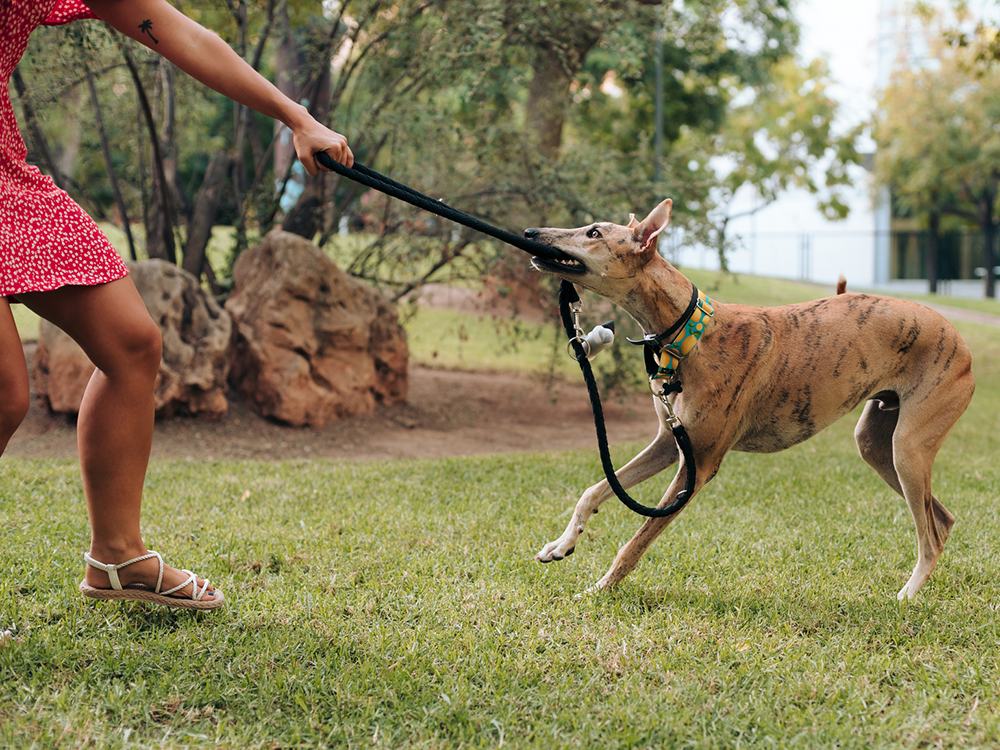
Dogs biting their leash is a common problem many owners face. Understanding why dogs do this helps to stop the behavior. There are several reasons behind leash biting. Each reason needs a different approach to fix the issue.
Teething And Puppies
Puppies often bite leashes because of teething. Their gums feel sore and biting helps ease the pain. Puppies explore the world with their mouths. The leash is an easy target during walks. This behavior usually stops as they grow older and teeth come in fully.
Boredom And Excess Energy
Dogs with too much energy bite their leash to release it. Bored dogs look for something to do. The leash becomes a toy or a way to get attention. Regular exercise and playtime can reduce this behavior. A tired dog is less likely to bite the leash.
Anxiety And Stress
Some dogs bite the leash when they feel anxious or stressed. The leash can become a source of comfort or a way to cope. Changes in environment or loud noises may trigger this behavior. Calm walks and a steady routine help reduce leash biting caused by stress.
Credit: www.kinship.com
Choosing The Right Leash
Choosing the right leash is key to stopping your dog from biting it. The leash must suit your dog’s size, behavior, and strength. A good leash helps control your dog better. It also makes walks more pleasant for both of you.
Material And Durability
Pick a leash made of strong materials like nylon or leather. These materials last longer and stand up to chewing. Some leashes have extra layers to resist biting. Avoid weak materials that can tear or fray easily.
Length And Thickness
Choose a leash length that fits your walking style. Shorter leashes give more control and reduce biting chances. Thick leashes are harder for dogs to bite through. Thin leashes may break if your dog pulls hard.
Comfort For Dog And Owner
Look for leashes with padded handles for your comfort. A comfortable grip reduces hand strain during walks. Make sure the leash is light enough for your dog. Heavy leashes can tire small dogs quickly.
Basic Training Techniques
Basic training techniques help stop your dog from biting the leash. These methods focus on teaching good behavior with simple steps. Consistency and patience are key. Training your dog with clear signals builds trust and reduces biting.
Positive Reinforcement
Give treats or praise when your dog does not bite the leash. Reward calm behavior to encourage it again. Positive reinforcement makes your dog want to listen. Avoid punishment, as it can cause fear or confusion.
Redirecting Attention
Offer a toy or chew item to replace the leash. This shifts your dog’s focus away from biting. Carry favorite toys during walks for easy redirection. Changing their attention helps break the biting habit.
Using Commands Effectively
Teach commands like “leave it” or “no bite” for leash biting. Use a firm but kind voice to give commands. Practice commands regularly in different places. Clear commands help your dog understand what behavior you want.

Credit: www.3lostdogs.com
Exercise And Mental Stimulation
Exercise and mental stimulation are key to stop your dog from biting the leash. Dogs with lots of energy and bored minds often chew on their leashes. Giving them a good workout and keeping their brain busy helps reduce this behavior. It also makes walks more fun and calm for both of you.
Daily Physical Activity
Daily exercise helps your dog burn off excess energy. Take your dog for walks, runs, or play fetch in the yard. A tired dog is less likely to bite the leash out of boredom or frustration. Try to exercise your dog at least 30 minutes every day.
Interactive Toys
Interactive toys keep your dog’s mind busy and distracted. Toys that dispense treats or require problem-solving are great choices. These toys can reduce anxiety and stop unwanted chewing. Give your dog a toy before the walk to keep focus away from the leash.
Training Games
Training games improve your dog’s focus and obedience. Teach commands like “leave it” or “drop it” using treats and praise. Playing simple games during walks can make the leash less interesting to chew. Reward your dog for calm behavior on the leash.
Handling Leash Biting During Walks
Handling leash biting during walks can feel challenging. Dogs often bite the leash out of excitement or frustration. Teaching your dog to stop this habit needs patience and clear steps. Consistent actions help your dog learn what behavior is acceptable. Focus on calm and positive moments during the walk. This section explains three simple methods to handle leash biting effectively.
Stopping The Walk Temporarily
When your dog bites the leash, stop walking immediately. Stand still and hold the leash firmly. This pause shows your dog that biting stops the fun. Wait until your dog releases the leash. Then, start walking again slowly. Repeat this each time your dog bites. This helps the dog connect biting with stopping the walk.
Ignoring The Behavior
Do not give attention when your dog bites the leash. No talking, pulling, or looking at your dog. Dogs often bite to get attention. Ignoring the biting removes the reward. Stay calm and quiet until your dog stops. Once your dog stops biting, you can continue walking. This teaches your dog biting does not get attention.
Rewarding Calm Behavior
Praise your dog when it walks without biting. Use treats or gentle petting as rewards. Give rewards right after calm walking. This helps your dog understand good behavior. Consistent rewards encourage your dog to avoid biting. Keep rewards small and frequent during the walk. Calm behavior becomes a habit through positive rewards.
Professional Help And Tools
Professional help and the right tools can make a big difference in stopping your dog from biting the leash. Sometimes, this behavior is hard to fix alone. Experts and special tools can guide you and your dog to better habits.
Consulting A Trainer
A professional dog trainer knows how to handle leash biting. They teach you and your dog easy ways to stop this habit. Trainers use clear commands and rewards to encourage good behavior. They also spot problems you might miss. Training sessions build trust and control during walks.
Using Muzzle Or Deterrent Sprays
Muzzles can prevent your dog from biting the leash safely. Choose a comfortable muzzle that fits well. Deterrent sprays have a taste dogs dislike. Spray a small amount on the leash to discourage biting. These tools work as reminders while your dog learns better habits.
Behavioral Therapy Options
Behavioral therapy helps dogs with strong biting urges. A specialist studies your dog’s actions and feelings. Therapy may include exercises to reduce anxiety or boredom. It teaches dogs to stay calm on the leash. This method works well for dogs with deeper issues.

Credit: www.youtube.com
Frequently Asked Questions
Why Does My Dog Bite The Leash During Walks?
Dogs bite the leash to play, explore, or because they feel anxious or bored.
How Can I Teach My Dog To Stop Biting The Leash?
Use positive training with treats and praise when your dog walks calmly without biting.
What Type Of Leash Is Best To Prevent Biting?
A sturdy, chew-resistant leash like nylon or leather helps reduce biting chances.
Can Leash Biting Be A Sign Of Anxiety Or Stress?
Yes, some dogs bite the leash when they feel nervous or stressed during walks.
Should I Ignore My Dog When It Bites The Leash?
Ignoring the behavior and stopping the walk can teach your dog that biting stops fun.
How Long Does It Take To Stop Leash Biting Behavior?
With consistent training, most dogs improve in a few weeks to a couple of months.
Conclusion
Stopping your dog from biting the leash takes patience and practice. Consistent training helps your dog learn good behavior. Use treats and praise to encourage calm walks. Avoid pulling or reacting harshly to biting. Over time, your dog will enjoy leash time more.
Remember, small steps lead to big changes. Stay calm and keep training sessions short. Your dog will soon walk nicely without biting.
As an Amazon Associate, I earn from qualifying purchases.