Have you ever wondered what it truly means when a trainer tells your dog to “heel”? If you want your furry friend to walk calmly by your side without pulling or wandering, understanding this simple command is key.
You’ll discover what “heel” means in dog training and why it can change the way you and your dog enjoy every walk together. Keep reading, and you’ll find out how this one command can bring you closer to a well-behaved, happy companion.
Heel Command Basics
The heel command is a basic but important part of dog training. It teaches your dog to walk close to your side. This keeps your dog safe and makes walks more enjoyable. Training your dog to heel helps you control their movement. It also builds good behavior habits.
Understanding the basics of the heel command is the first step. This includes knowing where it started and why it is useful. It also means learning the benefits it brings during walks.
Origin And Purpose
The heel command comes from traditional dog training methods. Trainers used it to keep dogs close in busy or dangerous places. The word “heel” means to walk near your side, just like your own heel. The main purpose is to keep dogs safe and well-behaved. It helps avoid distractions and sudden pulling on the leash.
Key Benefits For Walks
The heel command makes walks more peaceful and safe. Your dog stays by your side without pulling ahead. This stops accidents and keeps your dog under control. Walking close also improves your bond with your dog. It allows you to guide your dog easily in crowded places. Overall, the heel command creates a calm walking experience.
Credit: www.scala-santa.com
Teaching Heel To Your Dog
Teaching your dog to heel means training them to walk closely by your side. It keeps walks calm and safe. Dogs learn to stay near you without pulling on the leash. This skill helps control your dog in busy or distracting places.
Training takes patience and clear steps. Consistency is key for your dog to understand what you want. The right tools and approach make the process smoother and more effective.
Essential Equipment
Start with a sturdy, comfortable leash about 4 to 6 feet long. Avoid retractable leashes during training. Use a well-fitting collar or a harness that does not hurt your dog. Treats or small rewards motivate your dog. Have a clicker ready if you use clicker training. Keep everything within easy reach during walks.
Step-by-step Training
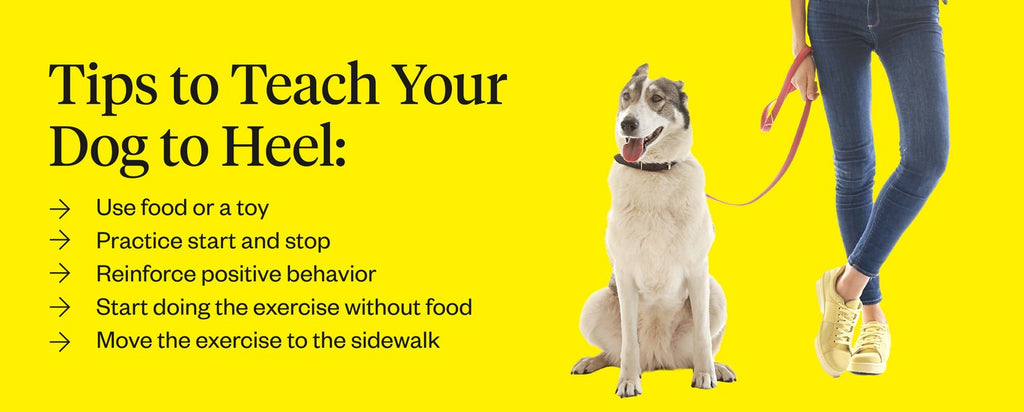
Begin in a quiet area with few distractions. Hold the leash in your left hand, and keep your dog on your left side. Use a treat in your right hand to guide your dog. Say “heel” clearly and start walking slowly. Reward your dog when they stay close. Stop or change direction if your dog pulls ahead. Repeat short sessions daily to build good habits.
Common Challenges
Dogs often pull or try to sniff during walks. They may lose focus when outside. Some dogs get excited and forget commands. Stay calm and patient to avoid frustration. Use treats and praise to keep your dog engaged. Short breaks and fun help maintain interest. Practice in different places to improve skills.
Advanced Heel Techniques
Advanced heel techniques help deepen your dog’s training. These skills improve your dog’s focus and control. They prepare your dog for real-life situations. Practice these techniques to make heeling smooth and reliable.
Maintaining Focus
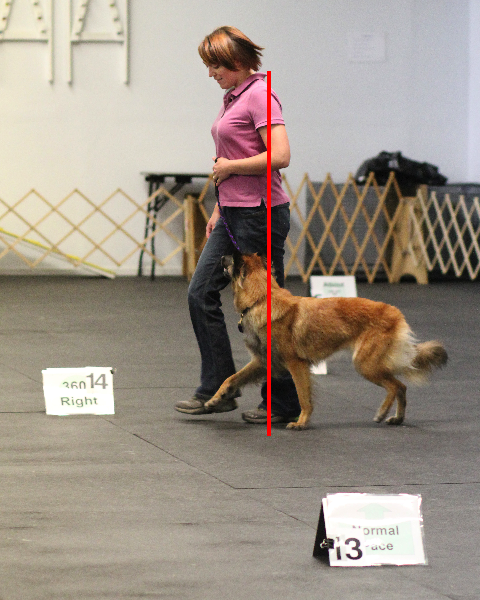
Keep your dog’s attention during heel training. Use a calm voice and steady pace. Watch your dog’s body language for signs of distraction. Pause training if your dog loses focus. Short, frequent sessions work best for attention.
Heel In Different Environments
Train your dog to heel in various places. Start in quiet areas with few distractions. Gradually introduce parks, streets, or busy spots. Different environments test your dog’s discipline. Practice often to build confidence and consistency.
Using Rewards Effectively
Use treats or praise to encourage good heeling. Give rewards right after your dog heels correctly. Change rewards to keep your dog interested. Reward calm behavior and walking close to your side. Avoid overusing treats to maintain value.
Credit: www.fenzidogsportsacademy.com
Troubleshooting Heel Issues
Troubleshooting heel issues is a key part of dog training. Many dogs struggle with walking calmly by your side. Problems like pulling, lunging, and reacting to distractions can make walks stressful. Understanding these problems helps improve your training. This section covers common heel challenges and gives easy solutions.
Pulling And Lunging
Pulling and lunging happen when dogs get excited or scared. They try to move ahead or chase something. This makes walking hard and unsafe. Stop walking when your dog pulls. Wait until the leash is loose before moving again. Use treats to reward walking close to you. Short, frequent training sessions help reduce pulling over time.
Distractions And Reactivity
Dogs often lose focus with distractions like other dogs or noises. They may bark, lunge, or try to run. Train in quiet places first to build focus. Slowly add distractions as your dog improves. Use calm praise and treats to keep attention. Stay patient and consistent to help your dog stay calm.
Consistency Tips
Consistency is key to fixing heel problems. Use the same commands and signals every time. Practice daily, even for short times. Everyone who walks your dog should follow the rules. Reward good behavior to encourage your dog. Consistent training builds strong habits and better walks.
Benefits Of Perfect Heel Walks
Perfect heel walks bring many benefits to dog training. They make walks easier and more enjoyable. Dogs learn to stay close without pulling or wandering. This training helps owners keep control and keeps dogs safe. It also builds a strong bond between dog and owner. Walking at heel gives dogs both exercise and mental work. These advantages improve life for both dogs and owners.
Safety And Control
Heel walks help keep dogs safe near roads and crowds. Dogs stay close to their owners. This reduces risks of accidents or running away. Owners can guide dogs easily in busy places. It also stops dogs from pulling hard on the leash. Control during walks is much better with heel training.
Strengthening Bond
Training dogs to heel improves trust and connection. Dogs learn to listen and follow commands. Owners show clear leadership and care. This shared activity creates a deeper relationship. Dogs feel secure and happy walking beside owners. The bond grows stronger with every perfect heel walk.
Exercise And Mental Stimulation
Heel walks give dogs good physical exercise. Walking at a steady pace helps keep dogs fit. Dogs also get mental work by focusing on commands. This mental challenge reduces boredom and bad behavior. Regular heel walks keep dogs healthy and sharp.
Credit: theonlinedogtrainer.com
Frequently Asked Questions
What Does “heel” Mean In Dog Training?
“Heel” means teaching a dog to walk close beside you without pulling.
Why Is Heel Training Important For Dogs?
Heel training keeps dogs safe and makes walks more enjoyable for both.
How Long Does It Take To Teach A Dog To Heel?
Most dogs learn to heel in a few weeks with regular practice.
What Commands Are Used During Heel Training?
Common commands include “heel,” “let’s go,” or a gentle tug on the leash.
Can All Dogs Learn To Heel Effectively?
Yes, all dogs can learn heel with patience and consistent training.
How Often Should Heel Training Sessions Be Done?
Short, daily sessions of 5-10 minutes work best for effective learning.
Conclusion
Teaching your dog to heel builds good manners and safety. It helps your dog walk close and focus on you. Heel training needs patience and regular practice. Keep training sessions short and positive for best results. A well-trained dog makes walks more fun and relaxed.
Remember, consistency is key to successful dog training. Start small, stay calm, and enjoy the journey together. Heel means your dog listens and stays by your side. This simple command improves control and strengthens your bond.
As an Amazon Associate, I earn from qualifying purchases.