If you’re a dog owner, you want your furry friend to enjoy the outdoors safely. But how do you give your dog freedom to roam without worrying about them running off?
That’s where a dog tie out comes in. It’s a simple tool that can change the way your dog experiences outdoor time. You’ll discover exactly what a dog tie out is, how it works, and why it might be the perfect solution for your pet.
Keep reading to find out how you can give your dog more freedom while keeping them secure.

Credit: meltechgrp.com
Benefits Of Dog Tie Outs
Dog tie outs offer many benefits for pet owners and their dogs. They provide a safe way to give dogs some freedom outside. With a tie out, dogs can enjoy fresh air and exercise without running away. This tool helps manage dogs in yards or outdoor areas easily.
Enhanced Freedom And Safety
Dog tie outs give dogs more space to move. They allow dogs to explore the yard safely. Dogs can play and relax without feeling trapped. Owners can watch their pets without worrying about safety. This balance of freedom and control helps dogs feel happy.
Preventing Escape
Tie outs keep dogs from running off. Dogs that like to chase or explore can stay close. The tie out stops dogs from leaving the yard. This reduces the risk of dogs getting lost or hurt. It is a simple way to keep dogs safe outdoors.
Versatility In Outdoor Spaces
Tie outs work in many outdoor places. They can be used in parks, gardens, or campsites. The length of the tie out can change to fit space size. It is easy to move and set up anywhere. This makes tie outs a flexible tool for dog owners.
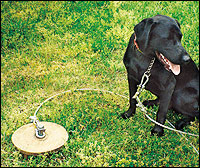
Credit: www.gundogmag.com
Types Of Dog Tie Outs
Dog tie outs help keep pets safe while giving them some freedom. Different types suit various needs and spaces. Understanding these types helps choose the right one for your dog.
Cable Tie Outs
Cable tie outs use strong metal cables. They resist chewing and last long outdoors. The cable attaches to a fixed point and a dog’s collar. It allows dogs to move within a set radius safely.
Cable tie outs work well in yards or gardens. They prevent tangling and give dogs a good range to roam. Their strength suits medium to large dogs.
Stake Tie Outs
Stake tie outs use a metal stake driven into the ground. A rope or cable connects the stake to the dog’s collar. Stakes are easy to install in soft soil.
This type suits small spaces or temporary use. Stakes are lightweight and portable but may not hold very strong dogs. They give pets limited movement but keep them secure.
Portable Tie Out Systems
Portable tie out systems include reels or retractable cables. They can be moved and set up almost anywhere. These systems work well for travel or camping.
Dogs get good freedom to roam without risk of tangling. These tie outs suit small to medium dogs. Portability makes them very convenient for short trips.
Choosing The Right Tie Out
Choosing the right dog tie out is important for your pet’s safety and comfort. It helps your dog enjoy the outdoors without running away. The right tie out keeps your dog secure and happy. Several factors matter when picking one. Focus on your dog’s size, the material used, and the length of the tie out.
Considering Dog Size And Strength
Pick a tie out that matches your dog’s size and strength. Small dogs need lighter, thinner cables or ropes. Big dogs require thicker, stronger cables. Strong dogs can break weak tie outs easily. A proper tie out can hold your dog safely without snapping.
Material Durability
Choose materials that last long and resist chewing. Steel cables are strong and tough. Nylon ropes are flexible but may wear out faster. Weather resistance matters too. A good tie out stays strong in rain, sun, and snow. Durability keeps your dog safe for a long time.
Length And Flexibility
The length of the tie out affects your dog’s movement. Short tie outs limit space but keep dogs close. Longer tie outs give more freedom but need more space. Flexibility helps avoid tangles and knots. Find a balance between freedom and control for your dog.
Proper Installation Techniques
Proper installation of a dog tie out keeps your pet safe and secure. It also helps prevent accidents and damage. Follow these simple steps to install your dog tie out correctly. This ensures your dog enjoys outdoor time without risks.
Securing Stakes Safely
Choose a strong stake made for dog tie outs. Push it deep into the ground for firm hold. Use a tool or your foot to press it down. Make sure it does not wobble or move. Check the stake regularly to keep it steady.
Avoiding Tangling Risks
Keep the tie out line clear of obstacles. Avoid trees, bushes, or furniture nearby. Use a swivel hook to stop the line from twisting. Make sure the line is long enough for free movement. Watch your dog to prevent knots or tangles.
Selecting Safe Locations
Pick a flat, open space for the tie out. Avoid areas with sharp objects or dangerous plants. Stay away from busy roads or heavy foot traffic. Choose a shaded spot to protect your dog from sun. Check the ground for holes or uneven spots.
Safety Tips For Using Tie Outs
Using a dog tie out can help your pet enjoy fresh air and some freedom safely. It is important to follow safety tips to keep your dog secure and happy. Proper use avoids accidents and ensures your dog’s comfort.
Safety is key when using tie outs. Dogs need room to move but also protection from risks. The following tips will help you use tie outs safely every time.
Supervision And Monitoring
Always watch your dog while on a tie out. Dogs can get tangled or stuck. Supervision stops injuries and stress. Check on your pet often to make sure they are safe and calm.
Regular Equipment Inspection
Check the tie out and collar before use. Look for signs of wear, rust, or damage. Replace any broken parts quickly. Strong, reliable equipment keeps your dog safe from escapes or accidents.
Avoiding Weather Hazards
Do not leave your dog outside in bad weather. Rain, snow, or extreme heat can harm your pet. Bring your dog inside during storms or very hot days. Always provide shade and water if outside in warm weather.
Common Mistakes To Avoid
Using a dog tie out can be helpful, but mistakes can cause problems. Many dog owners do not realize the risks. Understanding common errors helps keep your dog safe and happy. This section highlights key mistakes to avoid with dog tie outs.
Using Tie Outs As Long-term Restraints
Tie outs are not meant for long periods. Dogs need freedom to move and play. Leaving a dog tied out all day causes stress and boredom. It can lead to injury or tangled leashes. Use tie outs only for short, supervised times.
Ignoring Behavioral Signs
Watch your dog’s behavior closely. Signs like barking, chewing, or pulling mean discomfort or fear. Ignoring these signs can worsen anxiety or aggression. Adjust the tie out or try other options. Your dog’s mood tells you if the setup is right.
Improper Tie Out Placement
Placement matters for safety and comfort. Avoid areas with sharp objects or near roads. The ground should be soft and free of hazards. Make sure the tie out is not too tight or too loose. Proper placement prevents injuries and keeps your dog calm.
Alternatives To Tie Outs
Dog tie outs keep dogs in one spot but can limit freedom and comfort. Many pet owners seek better ways to let dogs enjoy outdoors safely. Alternatives to tie outs offer more space and safety for dogs.
Fenced Yards
A fenced yard gives dogs room to run and explore safely. It stops dogs from running away or getting lost. Fences protect dogs from traffic and other dangers outside. This option suits many homes with outdoor space. Dogs feel less stressed with more freedom.
Outdoor Playpens
Outdoor playpens create a secure area for dogs to play. They are easy to set up and move around. Playpens work well for small yards or temporary use. Dogs stay safe inside without feeling tied down. This option lets owners relax while pets play freely.
Leash And Harness Options
Leashes and harnesses help control dogs outdoors. They provide safety without restricting movement too much. Harnesses reduce strain on a dog’s neck compared to collars. Long leashes allow more freedom while keeping dogs close. This method suits walks, training, or short outdoor breaks.
Maintaining Tie Out Equipment
Maintaining tie out equipment keeps your dog safe and your setup strong. Regular care stops damage and extends the life of the tools. It helps avoid accidents from broken parts or rust. Simple steps make a big difference in performance and safety.
Cleaning And Lubrication
Clean tie out cables and stakes often. Dirt and mud can cause rust and wear. Use a damp cloth to wipe metal parts. Dry completely before storing or using again.
Lubricate moving parts like swivels with light oil. This stops squeaks and prevents rust. Avoid heavy grease that can attract dirt. A small drop every few weeks keeps parts smooth.
Replacing Worn Components
Check cables, stakes, and clips for wear or damage. Frayed cables or bent stakes must be replaced fast. Worn parts can break and cause injury. Keep spare parts handy for quick swaps.
Inspect clips and locks to ensure they hold tight. Replace any that don’t close securely. Safety depends on strong, reliable equipment.
Seasonal Maintenance Tips
Prepare tie outs for winter by removing them from snow and ice. Moisture can freeze and damage metal parts. Store indoors in a dry place during harsh weather.
In summer, check for sun damage or fading on cables. Replace faded parts to keep strength. Regular checks after storms help catch hidden damage early.

Credit: ottertailkennels.com
Frequently Asked Questions
What Is A Dog Tie Out Used For?
A dog tie out keeps dogs safely secured outside without a fence.
How Does A Dog Tie Out Work?
It uses a cable or rope anchored to hold a dog in place.
Are Dog Tie Outs Safe For Dogs?
Yes, if used properly with supervision and in a safe area.
Can Dog Tie Outs Prevent Dogs From Running Away?
Yes, they limit a dog’s movement and stop them from running off.
What Materials Are Dog Tie Outs Made Of?
They are usually made of steel cable, nylon rope, or heavy-duty chain.
How Long Should A Dog Tie Out Be?
It should be long enough for comfort but short enough to prevent tangles.
Conclusion
A dog tie out helps keep your pet safe and secure outdoors. It gives dogs space to move while staying close. You can choose different types based on your yard and dog size. Always check the tie out for damage before use.
Proper use keeps dogs happy and prevents accidents. A tie out is a simple tool for better pet care. Easy to use and effective for daily outdoor time. Consider a dog tie out for safer, controlled play.
As an Amazon Associate, I earn from qualifying purchases.