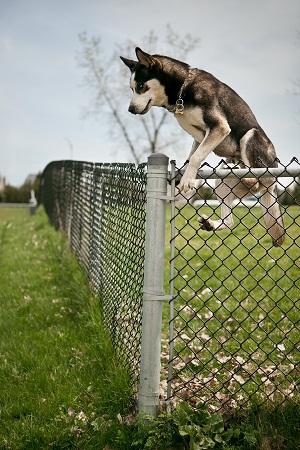
Is your dog constantly jumping over the fence, leaving you worried and frustrated? You’re not alone.
Keeping your furry friend safely inside your yard can feel like a daily challenge. But what if you could stop this behavior without stress or harsh measures? You’ll discover simple, effective ways to keep your dog from jumping the fence—so you can enjoy peace of mind and a happier pet.
Keep reading, because the solution might be easier than you think.

Credit: ringdogrescue.org
Reasons Dogs Jump Fences
Dogs jump fences for many reasons. Understanding these reasons helps stop this behavior. Dogs want to explore, find fun, or follow something interesting outside their yard. Knowing why your dog jumps can guide you to better solutions. Here are common reasons dogs try to get over fences.
Curiosity And Exploration
Dogs feel curious about the world beyond their yard. They want to see new places and smells. This natural urge pushes them to jump fences. They seek adventure and new experiences. Curiosity often leads dogs to escape and explore freely.
Lack Of Exercise
When dogs do not get enough exercise, they become restless. Energy builds up inside them. Jumping fences becomes a way to burn off that extra energy. Dogs need regular walks and playtime to stay calm. Without exercise, they look for ways to release energy.
Escape From Boredom
Bored dogs look for ways to entertain themselves. A dull yard feels small and uninteresting. Dogs jump fences to find fun outside. They want new sights and sounds to keep them busy. Boredom can cause dogs to escape and wander.
Chasing Animals Or People
Dogs have strong instincts to chase moving things. Squirrels, cats, or even people can trigger this urge. Dogs jump fences to catch what they see. This chase behavior is natural but can be dangerous. Dogs need training to control these impulses.
Improve Fence Security
Improving fence security stops dogs from jumping over. A strong fence keeps pets safe and prevents escapes. Simple changes can make fences harder to climb or jump.
Increase Fence Height
Taller fences are harder for dogs to jump. Add extra boards or panels to raise the fence height. Check local rules before raising fences too high. A taller fence limits your dog’s chance to escape.
Add Fence Extensions
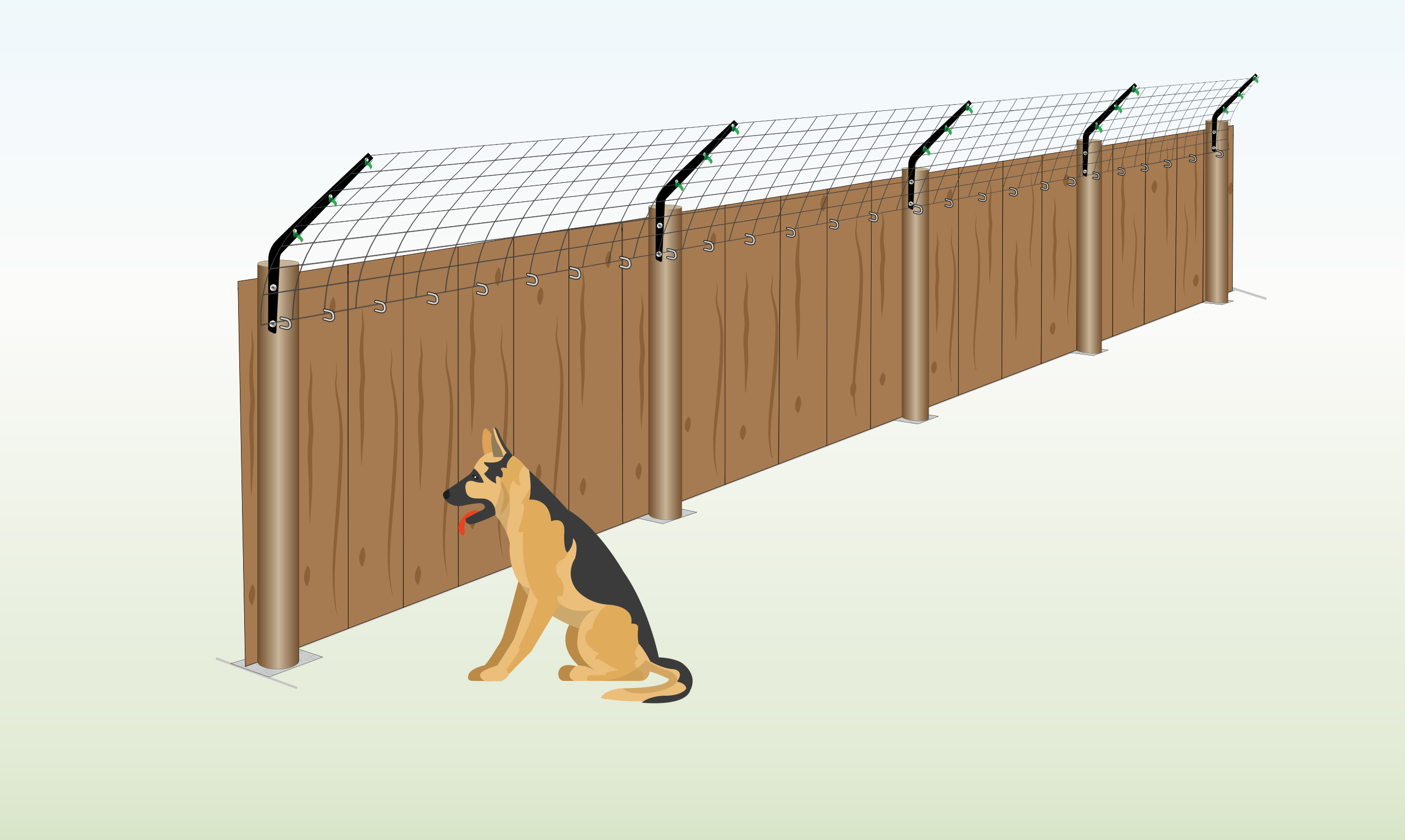
Fence extensions tilt inward, making climbing tough. Attach angled pieces on top of the fence. This design blocks dogs from getting a grip. Extensions add extra security without rebuilding the whole fence.
Use Solid Materials
Solid fences block views and reduce jumping. Wood or vinyl panels work better than wire mesh. Dogs can’t see outside, so they feel less tempted. Solid fences also stop dogs from squeezing through gaps.
Install Coyote Rollers
Coyote rollers are tubes that spin on top of fences. They stop dogs from gaining a foothold. Dogs slip off when they try to climb over. These rollers are easy to install and very effective.
Training Techniques
Training your dog to stop jumping fences takes time and effort. Use clear techniques to guide your dog’s behavior. Training helps your dog learn safe boundaries and follow your rules. Patience is key in this process.
Teach Basic Commands
Start with simple commands like “sit,” “stay,” and “come.” These commands help control your dog near the fence. Practice these commands daily in short sessions. Use a calm voice and clear gestures.
Use Positive Reinforcement
Reward your dog with treats or praise when it behaves well. Positive feedback encourages good habits. Avoid punishment, as it can make your dog scared or confused. Rewarding creates a strong bond and trust.
Redirect Jumping Behavior
When your dog tries to jump the fence, gently guide it away. Offer a toy or play to change its focus. Teach your dog to use a safe area for playing. Redirecting stops the unwanted action quickly.
Consistency And Patience
Repeat training steps every day without skipping. Dogs learn best with steady, clear rules. Be patient and stay calm during training. Over time, your dog will understand and respect the fence.
Credit: blog.californiafenceco.com
Exercise And Mental Stimulation
Exercise and mental stimulation play a big role in stopping a dog from jumping a fence. Dogs with lots of energy often try to escape their yard. They want to explore or find something fun outside. Giving them enough exercise helps use up that energy. Mental challenges keep their mind busy and less likely to seek trouble.
Regular Walks And Playtime
Daily walks help dogs burn energy and feel calm. Playtime with toys or running around also tires them out. A tired dog is less likely to jump fences. Short walks several times a day work better than one long walk. Walks give dogs a chance to explore safely. Playtime builds a strong bond and keeps dogs happy.
Interactive Toys And Puzzles
Toys that challenge a dog’s brain keep them busy at home. Puzzle feeders and treat-dispensing toys work well. Dogs need to think hard to get the treats. This mental work lowers boredom and fence jumping. Rotate toys often to keep dogs interested. A busy mind means less chance to escape.
Agility Training
Agility training uses obstacles to exercise dogs physically and mentally. Jumping, weaving, and running through tunnels builds focus. This training improves discipline and body control. Dogs learn to listen better and use energy positively. Agility makes dogs feel satisfied and less restless. It also teaches them to obey commands outside.
Socialization With Other Dogs
Meeting and playing with other dogs reduces loneliness and boredom. Dogs get exercise and mental stimulation while socializing. Friendly dogs enjoy playing more than jumping fences alone. Social time strengthens their social skills and confidence. A well-socialized dog feels happier and calmer at home.
Create A Safe Outdoor Space
Creating a safe outdoor space helps stop your dog from jumping the fence. A secure area keeps your dog happy and calm. Dogs need a place to play and relax. This space should feel like a small safe world just for them.
Designate A Play Area
Choose a spot in your yard just for your dog. Make this place clear and comfortable. Use soft grass or dirt, not sharp stones. Keep it free from things your dog could chew and swallow. This helps your dog focus on playing, not escaping.
Use Doggy Playpens
Playpens create a safe boundary inside your yard. They stop your dog from running to the fence. Playpens come in many sizes and shapes. Pick one that fits your dog’s size and energy. This gives control and safety without full confinement.
Provide Shade And Shelter
Dogs need shade to avoid heat and sunburn. Use trees, umbrellas, or a small dog house. Shelter protects your dog from rain and cold. A cozy place makes your dog want to stay inside the safe area. It reduces the urge to jump the fence.
Add Water And Toys
Always provide fresh water in the outdoor space. Dogs get thirsty quickly during play. Toys keep your dog busy and happy. Use chew toys, balls, or puzzle toys. These distractions help reduce fence jumping by offering fun alternatives.
Use Deterrents And Barriers
Using deterrents and barriers helps keep your dog from jumping fences. These tools create a physical or sensory block. They stop your dog before it tries to jump over. You can choose from many options that suit your yard and dog’s behavior.
Motion-activated Sprinklers
Motion-activated sprinklers spray water when your dog comes near. Dogs dislike sudden water sprays. This surprise keeps them away from the fence line. It is a gentle way to teach your dog to stay back. Sprinklers also keep your yard fresh and cool.
Scent Repellents
Scent repellents use smells dogs avoid. These include vinegar, citrus, or special pet-safe sprays. Apply repellents along the fence base. The scent discourages your dog from approaching. Change the scent often to keep it effective. Avoid harmful chemicals that can hurt your pet.
Physical Barriers Like Lattice
Adding lattice or extra panels raises fence height. This makes jumping harder and less tempting. Lattice also blocks your dog’s view outside. Less visual stimulation means less desire to escape. Make sure the barrier is secure and tall enough.
Electronic Fence Options
Electronic fences use mild signals to warn dogs near boundaries. A collar sends a beep or small shock. This teaches dogs to stay inside the yard. Use this method carefully and follow instructions. It works best with training and supervision.
Consult Professionals
Stopping a dog from jumping a fence can be tough. Sometimes, you need experts to help. Professionals know the best ways to train and care for your dog. They can find the root cause of the behavior. Getting advice from them can make a big difference.
Here are some key professionals to consult. Each one offers unique help for your dog’s jumping problem.
Hire A Dog Trainer
A dog trainer teaches your dog good manners. They use safe methods to stop jumping. Trainers show you how to control your dog’s actions. Training sessions build trust between you and your dog. They also help your dog learn new commands fast. A trained dog is less likely to jump fences.
Seek Veterinary Advice
Sometimes, health issues cause jumping. A vet checks if your dog feels pain or discomfort. Illness can make dogs restless or anxious. Vets can suggest treatments or medicines. This helps your dog feel better and calmer. Healthy dogs behave better and jump less.
Consider Behavioral Specialists
Behavioral specialists study why dogs act certain ways. They find hidden reasons for fence jumping. Specialists use special techniques to change behavior. They work with serious cases or anxious dogs. Their advice helps your dog stay safe and happy. Specialists guide you step-by-step to improve behavior.
Credit: www.wirefence.co.uk
Frequently Asked Questions
How Can I Stop My Dog From Jumping The Fence?
Teach your dog basic commands and reward calm behavior near the fence.
What Fence Height Prevents Dogs From Jumping Over?
A fence at least 6 feet tall usually stops most dogs from jumping.
Can Training Alone Keep Dogs From Fence Jumping?
Yes, consistent training with rewards and corrections helps reduce fence jumping.
Are Physical Barriers Effective Against Dog Fence Jumping?
Yes, adding extensions or rollers on top of fences stops many dogs.
How Does Exercise Affect Fence Jumping Behavior?
Regular exercise reduces your dog’s energy, making it less likely to jump fences.
Should I Use Deterrents To Stop Fence Jumping?
Deterrents like motion sensors or sprays can discourage dogs from jumping fences.
Conclusion
Stopping a dog from jumping a fence takes patience and care. Use training, exercise, and safe barriers to keep your dog safe. Watch your dog’s behavior and stay consistent with rules. Small changes can bring big results over time. Your dog will learn to stay inside and enjoy the yard.
A happy dog means a happy home. Keep trying, and you will succeed.
As an Amazon Associate, I earn from qualifying purchases.