Is your dog showing signs of biting strangers? This behavior can be scary and stressful for you and those around you.
But don’t worry—you can teach your dog to stay calm and friendly. With the right steps, you’ll feel more confident and in control. You’ll discover simple, effective ways to train your dog not to bite strangers. Keep reading to protect your loved ones and create a safer environment for everyone.
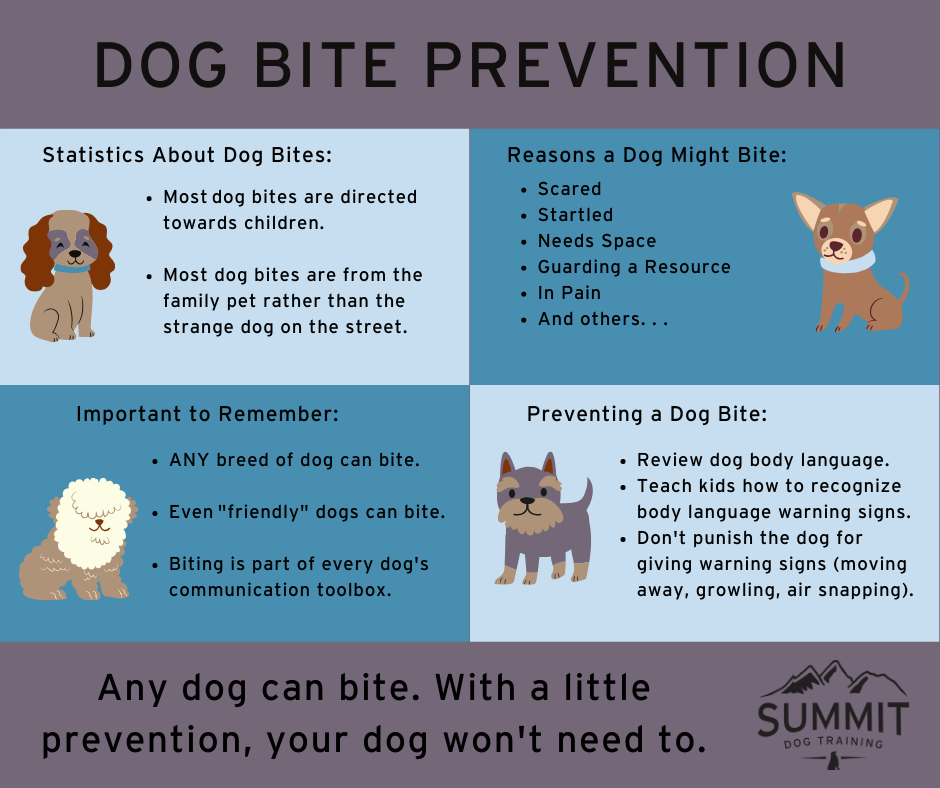
Credit: www.summitdogtraining.com
Recognize Signs Of Aggression
Recognizing signs of aggression in dogs is key to training them not to bite strangers. Understanding these signals helps prevent problems before they start. Watch your dog closely. Notice changes in their behavior. Early detection keeps everyone safe and calm.
Body Language Cues
Dogs show aggression mostly through their body. A stiff body means tension. Raised hackles signal fear or anger. Growling or showing teeth warns to back off. Ears pinned back or forward can mean stress or alertness. A fixed stare shows focus on a threat. Tail position also matters. A low or tucked tail means fear. A high, stiff tail can mean aggression. Reading these signs helps you act quickly.
Trigger Situations
Some situations make dogs more aggressive. Strange people entering their space can cause stress. Loud noises or sudden movements may startle them. Approaching a dog while it eats or sleeps can trigger biting. Crowded places or busy streets might overwhelm a dog. Recognizing these triggers helps avoid risky moments. Managing the environment reduces aggressive behavior.
Socialize Your Dog Early
Socializing your dog early helps prevent fear and aggression toward strangers. Dogs that meet many people as puppies learn to feel safe. This reduces the chance they will bite someone new. Start socializing your dog as soon as possible. Keep experiences positive and calm. Gentle exposure builds trust and confidence.
Introducing New People
Let your dog meet different people often. Choose calm and friendly visitors at first. Allow your dog to approach at their own pace. Avoid forcing close contact. Use treats and praise to create good feelings. Show your dog that new people bring nice things. Gradually increase the number of strangers your dog meets.
Controlled Social Settings
Pick safe places for your dog to meet others. Quiet parks or dog training classes work well. Keep your dog on a leash to stay in control. Watch your dog’s body language for signs of stress. Step away or take breaks if needed. Social settings should be short and positive. This helps your dog stay relaxed and learn good manners.
Use Positive Reinforcement
Using positive reinforcement is a gentle way to teach your dog not to bite strangers. It helps your dog understand what behavior is good. Rewarding good actions encourages your dog to repeat them. Positive reinforcement builds trust and makes training easier for both of you.
Reward Calm Behavior
Give treats or praise when your dog stays calm around strangers. Calm behavior means no growling, barking, or lunging. Wait for your dog to relax before offering a reward. This teaches your dog that calmness leads to good things. Use soft words and gentle petting to show approval.
Avoid Punishment
Never use punishment to stop biting. Punishment can make your dog scared or aggressive. It may worsen the biting problem. Focus on guiding your dog to behave well instead. Patience and kindness work better than fear. Positive methods build a stronger bond and better results.
Teach Basic Commands
Teaching your dog basic commands builds a strong foundation for good behavior. These commands help your dog listen and stay calm around strangers. Training with simple commands reduces the chance of biting. Start with clear and short lessons. Keep training sessions fun and consistent for best results.
Sit And Stay
Begin with the “sit” command to control your dog’s actions. Ask your dog to sit by raising your hand and saying “sit.” Reward with treats or praise when your dog obeys. Next, add “stay” to keep your dog in place. Use a calm voice to say “stay” and take a step back. If your dog stays, give a reward. This command helps your dog remain calm near strangers.
Leave It Command
The “leave it” command teaches your dog to ignore things or people. Show a treat in your hand and say “leave it.” Close your hand if your dog tries to take it. When your dog stops and looks away, give a treat with the other hand. Practice with different objects and situations. This command helps prevent biting by teaching your dog self-control.
Gradual Exposure To Strangers
Gradual exposure to strangers helps a dog become comfortable around new people. It reduces fear and stops biting behavior. This process involves slowly introducing your dog to strangers in a controlled way. Patience and consistency are key. Each step should build your dog’s trust and confidence.
Short Interactions
Start with brief meetings between your dog and a stranger. Keep these encounters calm and positive. Let the stranger offer a treat or gently pet the dog if it feels safe. Watch your dog’s body language closely. If the dog seems nervous, end the interaction soon. Short, positive meetings help your dog feel less threatened.
Increase Duration Over Time
Gradually make the meetings longer as your dog gets used to strangers. Add a few seconds or minutes each time. Allow your dog to explore and get comfortable during these moments. Keep rewards and praise coming to encourage good behavior. Longer interactions help your dog learn that strangers are safe. This step-by-step approach builds lasting trust and calmness.
Manage Your Dog’s Environment
Managing your dog’s environment is a key step to stop biting strangers. It helps your dog feel safe and stay calm. You can control what your dog sees and meets. This reduces fear and surprise. It also teaches your dog how to behave around new people. Setting up the right environment supports training and good habits.
Leash Control
Keep your dog on a leash during walks or visits. A leash gives you control over your dog’s movements. It stops sudden lunges or bites. Use a short leash to stay close. This helps you react quickly if your dog feels scared. Practice walking calmly on a leash. Reward your dog for quiet and gentle behavior. This builds trust and safety around strangers.
Safe Spaces
Create a safe space for your dog at home. This can be a crate, bed, or quiet corner. Your dog can go there to relax and feel secure. A safe space lowers stress and fear. It helps your dog calm down after meeting new people. Teach your dog to use this space often. Make it cozy with toys or blankets. Respect your dog’s need for space during training.
Seek Professional Help When Needed
Training a dog not to bite strangers can be challenging. Sometimes, professional help is the best choice. Experts understand dog behavior well. They guide owners with safe, effective methods. Seeking help early can prevent problems from getting worse.
Certified Trainers
Certified trainers have special skills in dog training. They use proven techniques to change behavior. Trainers teach dogs how to behave around strangers. They also show owners how to manage their dogs safely. Working with a trainer builds trust between dog and owner.
Behavioral Therapists
Behavioral therapists focus on deeper behavior issues. They study why dogs act aggressively. Therapists create plans to fix these problems. Their methods include gentle behavior modification. Therapy helps dogs feel calm and less fearful. This reduces the chance of biting strangers.

Credit: demarinisdogtraining.com

Credit: www.petdoors.com
Frequently Asked Questions
How Can I Stop My Dog From Biting Strangers?
Teach your dog gentle behavior using treats and praise when calm near new people.
Why Do Dogs Bite Strangers Suddenly?
Dogs may bite from fear, pain, or feeling threatened by unfamiliar people.
When Should I Seek Professional Help For Biting?
Get help if biting happens often or if your dog shows aggressive behavior.
Can Socializing Reduce My Dog’s Biting Behavior?
Yes, meeting new people often helps dogs feel safe and less likely to bite.
What Training Tools Help Prevent Dog Biting?
Use leashes, muzzles, and positive reinforcement to control and train your dog.
How Long Does It Take To Train A Dog Not To Bite?
Training time varies, but regular sessions over weeks usually improve behavior well.
Conclusion
Training your dog not to bite strangers takes time and patience. Stay calm and consistent with your approach. Reward good behavior and gently correct the bad. Socialize your dog in safe, controlled settings often. Teach clear boundaries and commands your dog understands.
Watch for signs of stress or fear in your pet. Regular practice helps your dog feel safe around new people. Remember, safety is key for both your dog and others. Small steps lead to big changes over time. Keep working kindly and patiently every day.
As an Amazon Associate, I earn from qualifying purchases.