Is your dog constantly barking at other dogs, making walks stressful for both of you? You’re not alone, and the good news is that you can change this behavior.
Imagine enjoying peaceful strolls without the noise and tension. You’ll discover simple, effective ways to help your dog stay calm around other dogs. Keep reading, and you’ll learn how to turn those barking moments into quiet, happy ones.

Credit: www.fatihevcimik.com
Reasons Dogs Bark At Others
Dogs bark at other dogs for many reasons. Understanding these reasons helps in managing the behavior. Barking is a way dogs communicate. Sometimes it is a warning. Other times, it shows excitement or fear. Knowing why your dog barks helps you respond correctly. It can stop unwanted barking.
Territorial Behavior
Dogs protect their space. They bark to warn other dogs to stay away. This is normal for many dogs. They see other dogs as intruders. Barking keeps their territory safe. This behavior is strong in some breeds. It can happen at home or on walks.
Fear And Anxiety
Some dogs bark because they feel scared. New dogs or strange dogs can cause fear. Barking is a way to keep distance. Anxiety makes dogs feel unsafe. They use barking to express discomfort. Fearful dogs need calm and patience.
Lack Of Socialization
Dogs not used to others may bark more. Without social skills, dogs see others as threats. They do not know how to behave. Barking becomes a way to handle the unknown. Early socialization helps reduce this barking. Meeting many dogs calmly helps build confidence.
Seeking Attention
Dogs bark to get noticed. They want your focus or to play. Barking gets a quick response from owners. This can teach dogs to bark more. Giving attention only when quiet helps. Dogs learn to use quiet ways to ask.

Credit: www.youtube.com
Recognizing Barking Triggers
Understanding why your dog barks at other dogs is key to stopping this behavior. Dogs bark for many reasons. Some triggers come from the environment, others from the dogs they see. Your own actions can also affect your dog’s barking. Recognizing these triggers helps you address the problem correctly. This way, you can create a calmer walk for both you and your dog.
Environmental Factors
Some places make dogs bark more. Busy streets, parks, or crowded areas can excite or scare your dog. Loud noises or strange smells might also trigger barking. Your dog may feel nervous or protective in these spots. Watching your dog’s reactions in different places helps find these triggers. Avoiding or slowly getting your dog used to these spots can reduce barking.
Presence Of Certain Dogs
Not all dogs cause the same reaction. Your dog may bark only at specific dogs. This could be because of the other dog’s size, breed, or behavior. Some dogs bark at fast-moving or noisy dogs. Your dog might feel threatened or playful. Observing which dogs cause barking helps you prepare and train better. You can teach your dog to stay calm around these particular dogs.
Owner’s Reactions
Your actions influence your dog’s barking. If you get nervous or shout, your dog may bark more. Dogs read your feelings and act accordingly. Staying calm and confident helps your dog feel safe. Praising quiet behavior encourages your dog to stop barking. Changing your reactions can reduce your dog’s barking over time.
Training Techniques To Reduce Barking
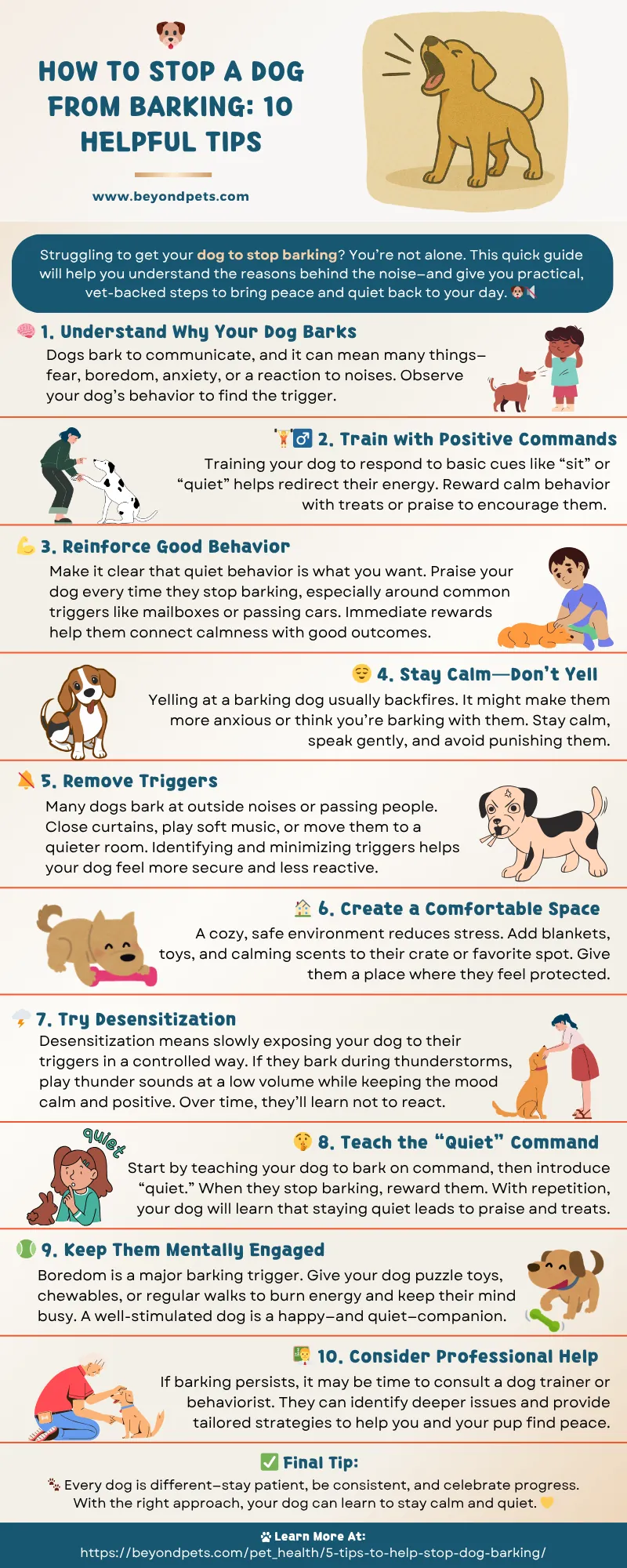
Training can help reduce your dog’s barking at other dogs. It takes time and patience. The right methods teach your dog calm behavior. Consistent practice brings the best results. These training techniques focus on positive habits and clear communication.
Positive Reinforcement
Reward your dog for quiet behavior near other dogs. Use treats, praise, or toys as rewards. This shows your dog that silence brings good things. Start by rewarding calm moments before your dog barks. Gradually increase the time your dog stays quiet. Positive reinforcement encourages your dog to repeat good behavior.
Desensitization And Counter-conditioning
Expose your dog to other dogs at a distance. Keep your dog calm and relaxed during these exposures. Slowly decrease the distance as your dog stays quiet. Pair the sight of other dogs with treats or praise. This changes your dog’s feelings from anxious to happy. Over time, your dog learns to stay calm around other dogs.
Using Commands Effectively
Teach your dog clear commands like “quiet” or “enough.” Use these commands firmly but kindly. Reward your dog when it stops barking on command. Practice commands in different places and with distractions. Consistent use of commands helps your dog understand what you want. Commands give your dog a clear way to behave.
Credit: magneticpolefit.com
Behavioral Tools And Aids
Behavioral tools and aids help reduce a dog’s barking at other dogs. These tools support training by encouraging good behavior. They also distract dogs from triggers that cause barking. Using the right tool can make training easier and more effective.
Clicker Training
Clicker training uses a small device that makes a clicking sound. The click marks the exact moment your dog behaves well. This helps your dog understand what you want. Reward your dog with a treat after the click. This method teaches your dog to stay calm around other dogs.
Anti-bark Collars
Anti-bark collars release a gentle sound or vibration when barking starts. This interrupts the dog’s barking without hurting them. It helps dogs learn to stop barking at other dogs. Use this tool carefully and follow instructions. Avoid collars that cause pain or distress.
Interactive Toys
Interactive toys keep dogs busy and focused on play. Toys like puzzle feeders challenge their mind and reduce stress. When dogs are busy, they bark less at other dogs. Providing toys during walks or visits can help control barking. Choose toys that match your dog’s size and interest.
Improving Socialization Skills
Improving your dog’s socialization skills helps reduce barking at other dogs. Socialization teaches dogs how to behave around others. It builds confidence and lowers fear or excitement that causes barking. Regular, positive interactions with other dogs create calm and friendly habits.
Controlled Dog Meetings
Start with controlled dog meetings. Choose a quiet place with few distractions. Keep both dogs on a leash and at a safe distance. Watch their body language closely. Praise calm behavior and gently distract barking. Gradually shorten the distance as they stay calm. Repeat these meetings often to build comfort.
Group Training Classes
Join group training classes for dogs. These classes offer guided socialization with other dogs. Trainers help you manage your dog’s reactions. Classes teach commands that improve control during interactions. Your dog learns to focus on you, not just other dogs. Group settings help dogs get used to new friends safely.
Regular Walks In Dog-friendly Areas
Take regular walks in dog-friendly areas. Parks or trails with other dogs help socialize naturally. Keep your dog on a loose leash to avoid tension. Allow calm greetings and ignore barking. Walks create routine social exposure. This regular practice reduces anxiety around other dogs.
Managing Your Own Behavior
Managing your own behavior plays a big role in stopping your dog from barking at other dogs. Dogs watch their owners closely. They pick up on your feelings and actions. Your calm and steady behavior helps your dog feel safe and less worried. Changing how you act can change how your dog acts.
Staying Calm And Consistent
Keep a calm voice and steady body. Avoid yelling or sudden moves. Your dog feels your energy. If you stay calm, your dog will too. Be consistent with rules. Use the same commands and reactions every time. This helps your dog learn what to expect. Consistency builds trust and lowers anxiety.
Avoiding Reinforcing Barking
Do not give attention when your dog barks. No talking, touching, or looking at your dog. These actions can make barking worse. Wait for quiet moments to give praise or treats. Reward good behavior, not barking. This teaches your dog that being quiet brings rewards. Your reaction controls your dog’s behavior.
Using Body Language
Your body sends clear messages to your dog. Stand tall but relaxed. Avoid facing your dog directly in a challenging way. Use soft eye contact and slow movements. Turn your body slightly away from the other dog. This shows calm and no threat. Your dog will follow your lead and feel safer.
When To Seek Professional Help
Knowing when to seek professional help can save your dog from stress and improve your peace at home. Some barking issues go beyond simple training. Professionals can offer solutions tailored to your dog’s needs. Don’t wait until the problem gets worse. Early action leads to better results.
Signs Of Aggression
Barking can be normal, but watch for signs of aggression. Growling, snapping, or lunging at other dogs are serious signals. Aggression can cause harm to your dog or others. If you notice these signs, consult a professional trainer or a behaviorist quickly. They can assess the situation safely and create a plan.
Persistent Barking Issues
Some dogs bark at other dogs for a long time despite training. If your dog barks every time it sees another dog, it may need extra help. Persistent barking can stress your dog and disturb your neighbors. A professional can use special techniques to reduce this behavior. Early help can prevent the habit from worsening.
Finding A Qualified Trainer
Choose a trainer with experience in dog behavior problems. Look for certifications from trusted organizations. Ask about their methods and success stories. A good trainer uses positive reinforcement, not punishment. Meet the trainer first to see if they understand your dog’s needs. The right trainer makes all the difference in stopping your dog’s barking.
Frequently Asked Questions
Why Does My Dog Bark At Other Dogs?
Dogs bark at others to show excitement, fear, or protect their space.
How Can I Train My Dog To Stop Barking?
Teach your dog calm behavior with treats and praise when they stay quiet.
Can Exercise Reduce My Dog’s Barking At Other Dogs?
Yes, regular walks and play help lower your dog’s energy and stress.
Should I Use A Muzzle To Stop Barking?
A muzzle can stop barking but doesn’t fix the reason behind it.
How Does Socializing Help With Barking Issues?
Meeting other dogs calmly helps your dog feel safe and less likely to bark.
When Should I Seek Help From A Trainer?
Get help if your dog’s barking is loud, constant, or causes problems.
Conclusion
Stopping your dog from barking at other dogs takes time and patience. Consistent training helps your dog stay calm and focused. Reward good behavior to encourage quiet moments. Avoid punishment, as it may increase stress and barking. Practice socialization with calm dogs in safe places.
Small steps lead to big progress. Stay patient and keep training sessions short. Soon, your dog will bark less and enjoy walks more. Remember, quiet dogs make happy owners.
As an Amazon Associate, I earn from qualifying purchases.