Have you ever stopped to think about how much salt is in a hot dog? If you’re someone who enjoys this classic snack, knowing the salt content is important for your health.
Too much salt can affect your heart and blood pressure, but you might be surprised by how much is actually packed into that simple hot dog. You’ll discover the hidden salt levels in your favorite treat and learn what it means for your daily diet.
Keep reading to find out if your hot dog habit is putting your health at risk—and what you can do about it.
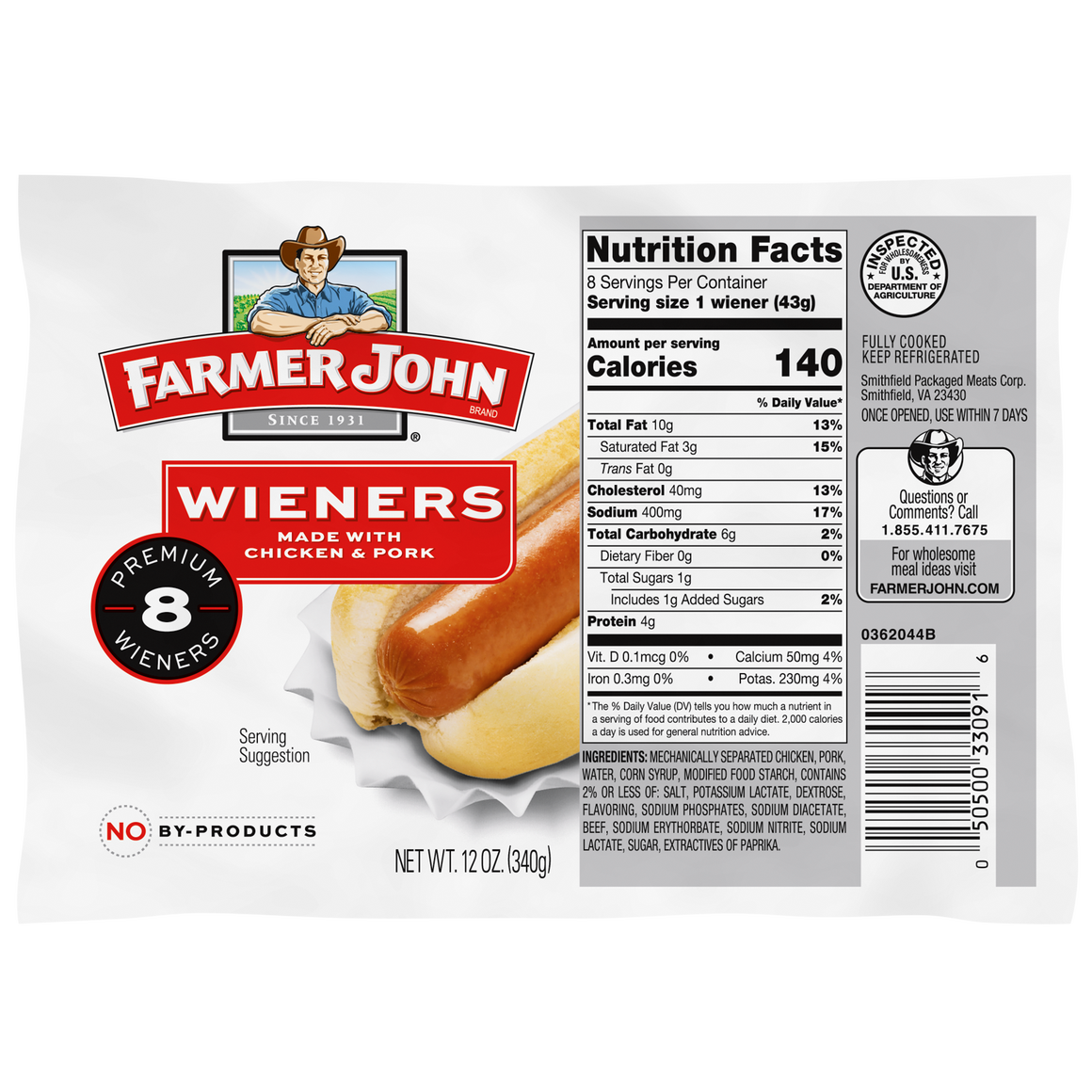
Credit: farmerjohn.sfdbrands.com
Salt Content In Hot Dogs
Hot dogs contain salt to enhance flavor and preserve the meat. Salt also helps keep the hot dog juicy and tasty. Knowing the salt content helps manage daily sodium intake.
Too much salt can lead to health problems like high blood pressure. Checking the salt content helps make better food choices. Let’s explore how much salt is in a typical hot dog.
Average Sodium Levels
On average, a single hot dog contains about 500 to 700 milligrams of sodium. This amount can be nearly one-third of the recommended daily sodium limit. The exact number varies by size and recipe. Regular hot dogs usually have more salt than low-sodium versions. Eating several hot dogs adds up to a large salt intake quickly.
Variations By Brand And Type
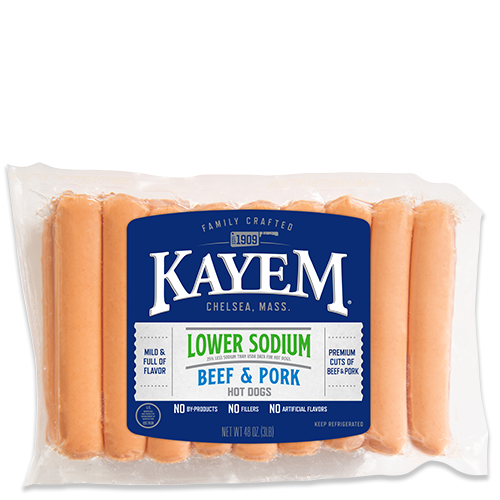
Different brands use different amounts of salt. Some brands offer low-sodium or reduced-salt hot dogs. These options may have 200 to 400 milligrams less sodium. Meat type also affects salt content. Beef hot dogs often have more salt than chicken or turkey ones. Reading the nutrition label is important to find the right option.
Credit: www.kayem.com
Health Impact Of Salt In Hot Dogs
Salt is a key ingredient in hot dogs. It helps with flavor and preservation. But salt also affects health. Eating too much salt can cause health problems. Understanding these effects helps make better food choices.
Hot dogs often contain high amounts of salt. This can add up quickly with other salty foods. Knowing the health risks of salt is important for everyone.
Effects On Blood Pressure
Salt raises blood pressure by holding extra water in the body. This extra water puts pressure on blood vessels. High blood pressure can lead to heart disease and stroke. People who eat many salty foods like hot dogs may face higher risks. Reducing salt helps keep blood pressure in a healthy range.
Risks Of Excessive Sodium Intake
Too much sodium can harm the kidneys. It may cause them to work harder than normal. Excess salt intake can also cause swelling and fluid retention. Over time, this can lead to serious health issues. Many processed foods, including hot dogs, add to daily sodium intake. Watching salt intake supports overall health and well-being.
Hidden Sources Of Salt In Hot Dogs
Hot dogs often taste salty, but salt hides in places beyond just the meat. Many ingredients add salt without us noticing. These hidden sources raise the total salt content in every bite. Understanding where salt hides helps you control your intake better.
Seasonings And Preservatives
Seasonings in hot dogs contain salt to boost flavor. Spices like garlic powder and onion powder often mix with salt. Preservatives such as sodium nitrite keep hot dogs fresh longer. These chemicals add extra sodium without changing taste much. They help keep the meat safe to eat but increase salt levels.
Condiments And Toppings
Condiments like ketchup, mustard, and relish add salt too. Some sauces contain more salt than the hot dog itself. Pickles and sauerkraut are salty toppings that raise sodium content. Cheese slices and bacon bits also add hidden salt. Choosing low-salt toppings can lower the overall salt intake.
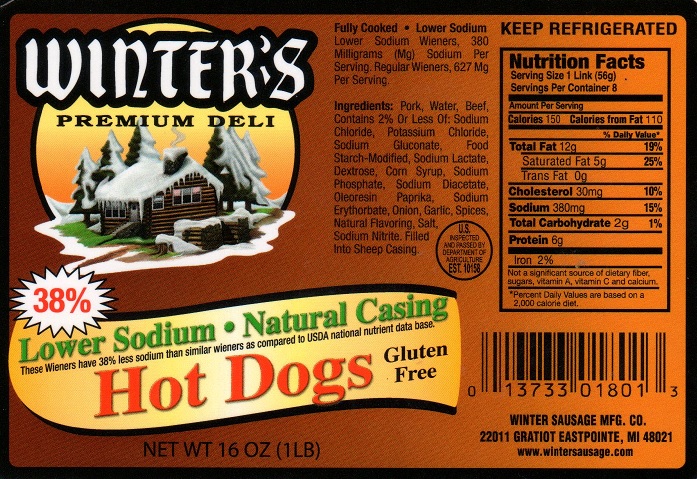
Credit: wintersausage.com
Comparing Salt In Hot Dogs To Other Foods
Salt content in hot dogs often surprises many people. Comparing it to other foods helps understand how salty hot dogs really are. This comparison shows where hot dogs stand among popular salty foods. It also guides better food choices for those watching salt intake.
Processed Meats
Processed meats include sausages, bacon, and deli meats. These foods usually have high salt to preserve flavor and freshness. A single hot dog can contain around 500 to 700 mg of salt. This amount is similar to some sausages and ham slices. Bacon often has even more salt per serving. Processed meats generally have more salt than fresh meats.
Fast Food Items
Fast food items like burgers, fries, and chicken nuggets also contain salt. A fast food burger may have 700 to 1,200 mg of salt. Fries can add another 200 to 400 mg per serving. Chicken nuggets contain salt to enhance taste and texture. Hot dogs have less salt than many fast food burgers. Still, they contribute a significant amount of salt to your meal.
Reducing Salt Intake From Hot Dogs
Hot dogs often contain a lot of salt. Eating too much salt can cause health problems like high blood pressure. Reducing salt intake from hot dogs helps keep your heart healthy. It also supports overall well-being. Small changes can make a big difference.
Choosing Low-sodium Options
Many brands offer low-sodium hot dogs. These have less salt but still taste good. Check the nutrition label for sodium content. Choose options with under 400 mg of sodium per serving. Avoid hot dogs with added salt or preservatives. These choices help reduce your daily salt intake.
Homemade Alternatives
Making hot dogs at home lets you control salt levels. Use fresh meat and simple seasonings. Add herbs and spices instead of salt. Try recipes with lean chicken or turkey. Homemade versions are healthier and taste fresh. Cooking at home also reduces preservatives and additives.
Label Reading Tips For Sodium Content
Checking the sodium content on hot dog labels helps control salt intake. Reading labels carefully helps avoid too much salt in your diet. You can enjoy hot dogs without worrying about excess sodium.
Learn to read labels to spot sodium amounts easily. This skill keeps your meals healthier and safer for your heart.
Understanding Nutrition Facts
The Nutrition Facts label shows the amount of sodium per serving. Look for “Sodium” in milligrams (mg). A high number means more salt.
Compare serving sizes. Sometimes a package contains more than one serving. This affects total sodium intake.
Daily Value (%DV) helps understand how much sodium you eat. Less than 5% is low. More than 20% is high.
Identifying Hidden Sodium Sources
Salt hides in ingredients like sodium nitrite and monosodium glutamate (MSG). Check the ingredients list carefully.
Processed meats often have added salt for flavor and preservation. These raise sodium levels.
Watch for terms like “seasoning,” “broth,” or “flavor enhancer.” These may contain hidden salt.
Frequently Asked Questions
How Much Salt Is In One Typical Hot Dog?
One hot dog usually contains about 500 to 600 milligrams of sodium.
Why Do Hot Dogs Have High Salt Content?
Salt is added for flavor and to preserve the meat in hot dogs.
Can Eating Salty Hot Dogs Affect My Health?
Eating too much salt can raise blood pressure and increase heart disease risk.
Are Low-sodium Hot Dogs Available In Stores?
Yes, many brands offer low-sodium hot dogs with less salt.
How To Reduce Salt Intake When Eating Hot Dogs?
Choose low-sodium options and add fresh vegetables instead of salty toppings.
Does Cooking A Hot Dog Change Its Salt Content?
No, cooking does not reduce the salt already present in a hot dog.
Conclusion
Hot dogs can contain a lot of salt, often more than expected. Too much salt may affect your health over time. Choosing low-sodium options helps reduce salt intake. Reading nutrition labels gives a clear idea of salt content. Enjoy hot dogs in moderation for a balanced diet.
Small changes make a big difference in your salt consumption. Stay aware and take control of what you eat daily.
As an Amazon Associate, I earn from qualifying purchases.