Have you ever wondered how you can make a real difference in someone’s life with the help of a dog? Becoming a service dog trainer lets you do just that.
You’ll learn how to teach dogs to assist people with disabilities, giving them independence and confidence. If you’re passionate about animals and helping others, this path could be perfect for you. Keep reading to discover the clear steps you need to take to become a skilled service dog trainer and start changing lives.
Role Of A Service Dog Trainer
Service dog trainers play a vital role in helping dogs assist people with disabilities. They teach dogs specific tasks that improve their handlers’ daily lives. Trainers work closely with both dogs and people to build strong partnerships. Their work requires patience, skill, and a deep understanding of dog behavior.
Trainers must ensure dogs meet strict standards for behavior and task performance. This role demands focus and dedication. Trainers also guide handlers on how to work with their service dogs effectively. The work can be rewarding but also challenging.
Key Responsibilities
Service dog trainers teach dogs to perform tasks like guiding, alerting, or retrieving. They assess each dog’s abilities and tailor training to individual needs. Trainers also socialize dogs to handle different environments and distractions.
They work with handlers to ensure smooth communication and teamwork. Trainers monitor progress and adjust training methods as needed. They maintain detailed records of each dog’s training journey. Safety and reliability are top priorities in every task.
Skills Needed
Strong knowledge of dog behavior and training techniques is essential. Trainers need excellent observation and problem-solving skills. Patience and consistency help dogs learn effectively.
Good communication skills assist trainers in working with handlers. Physical stamina supports long hours of active training. Trainers must be calm and confident to build trust with dogs and people alike.

Credit: www.youtube.com
Types Of Service Dogs
Service dogs help people live better lives. Each type of service dog has a special job. Understanding these types is key to becoming a good trainer.
Guide Dogs
Guide dogs help people who cannot see. They lead their owners safely around streets and obstacles. These dogs need strong training to follow commands precisely. Trainers teach them to stay focused in busy places.
Hearing Dogs
Hearing dogs alert people who cannot hear sounds. They notify their owners about alarms, doorbells, or phones. These dogs learn to recognize specific noises. Trainers work on teaching clear signals for their owners.
Medical Alert Dogs
Medical alert dogs detect health problems early. They warn owners about seizures, low blood sugar, or allergies. These dogs must sense changes in body signals. Trainers help them respond quickly and calmly to emergencies.
Basic Dog Training Principles
Basic dog training principles form the foundation for becoming a service dog trainer. These principles help dogs learn tasks and behave well. Trainers use clear, simple methods to teach dogs. This builds trust and understanding between the dog and trainer. Learning these basics is the first step toward training service dogs.
Positive Reinforcement
Positive reinforcement means giving rewards to encourage good behavior. Treats, praise, and toys motivate dogs to learn faster. This method helps dogs feel happy and eager to obey. It avoids punishment, which can cause fear or stress. Consistent rewards make training effective and fun for the dog.
Obedience Commands
Obedience commands are the basic orders dogs must know. Commands like “sit,” “stay,” and “come” build control and focus. Clear commands help dogs understand what is expected. Regular practice strengthens these skills. Good obedience is essential for service dogs to perform their duties safely.
Behavior Shaping
Behavior shaping teaches dogs new actions step by step. Trainers break complex tasks into small parts. They reward progress toward the final behavior. This method helps dogs learn difficult skills without confusion. Patience and timing are key to successful behavior shaping.
Educational Pathways
Becoming a service dog trainer requires specific knowledge and skills. Education plays a big role in building this foundation. Learning the right techniques and understanding canine behavior helps trainers succeed. Many trainers follow certain educational paths to gain expertise. These paths include taking relevant courses and earning certifications.
Relevant Courses
Courses in animal behavior and training are essential. Basic courses cover dog obedience and communication. Advanced classes teach how to train dogs for special needs. Some programs focus on psychology and learning theory. Veterinary knowledge also helps trainers care for dogs properly. Many community colleges and online platforms offer these courses. Practical training sessions give hands-on experience with dogs. This mix of theory and practice builds strong skills.
Certifications Available
Certifications show a trainer’s knowledge and professionalism. Many organizations offer certificates for service dog training. These certificates require passing tests and demonstrating skills. Some programs focus on specific disabilities or training methods. Certification boosts trust with clients and employers. It also encourages trainers to keep learning and improving. Check for recognized certifications in your region or country.
Hands-on Experience
Hands-on experience is essential to become a skilled service dog trainer. Practical work helps you understand dog behavior and training methods deeply. It builds confidence in handling different dogs and real-life situations. This experience is often more valuable than just reading books or watching videos.
Getting direct contact with dogs allows you to see how they learn and respond. It also teaches patience and consistency, two key qualities for trainers. The best way to gain this experience is through volunteering and apprenticeships.
Volunteering Opportunities
Volunteering offers a chance to work with service dogs in training. Many organizations accept volunteers to help with daily care and basic commands. This helps you observe professional trainers and learn their techniques. Volunteering also builds your network in the service dog community.
Tasks may include feeding, walking, and socializing dogs. You get to watch how trainers solve problems during sessions. These small tasks create a strong foundation for your training skills. Volunteering shows commitment and passion to future employers or clients.
Apprenticeships
Apprenticeships provide deeper, hands-on learning under expert guidance. They usually last several months or longer. You assist trainers in planning and conducting training sessions. This experience exposes you to advanced training methods and real client work.
During an apprenticeship, you gain feedback to improve your skills. It is a chance to ask questions and learn practical tips. This close mentorship helps you become a confident and effective trainer. Many successful trainers started their careers with apprenticeships.
Starting Your Own Training Program
Starting your own service dog training program is a rewarding step. It allows you to shape how dogs help people with disabilities. Building a program needs careful thought and clear goals. Focus on teaching skills that meet real needs. Structure your work to support both dogs and their future handlers.
Creating Training Plans
Training plans guide your daily work with dogs. Start with basic obedience like sit, stay, and come. Add tasks specific to service needs, such as fetching items or opening doors. Break training into small, clear steps. Use consistent commands and rewards to encourage learning. Adjust plans based on each dog’s progress and abilities.
Selecting Suitable Dogs
Choosing the right dogs is key to success. Look for calm, focused, and friendly animals. Size and strength matter depending on the tasks they will do. Avoid dogs with fear or aggression issues. Early socialization helps dogs adapt to different environments. Healthy dogs with good temperaments make the best service partners.
Legal And Ethical Considerations
Training service dogs involves more than teaching commands. Trainers must follow legal and ethical rules. These rules protect both the dogs and the people who need them. Knowing these rules helps trainers work fairly and safely.
Ada Compliance
The Americans with Disabilities Act (ADA) sets rules for service dogs. Trainers must know these rules well. Service dogs must behave properly in public places. They cannot cause harm or disruption.
Trainers must teach dogs to assist people with disabilities. Dogs should not be trained for illegal tasks. Following ADA rules helps protect the rights of disabled people and their dogs.
Client Confidentiality
Service dog trainers work closely with clients. Clients share personal health information. Trainers must keep this information private. Respecting privacy builds trust and protects clients.
Sharing client details without permission can cause harm. Trainers should use secure methods to store information. Confidentiality is a key part of ethical training work.
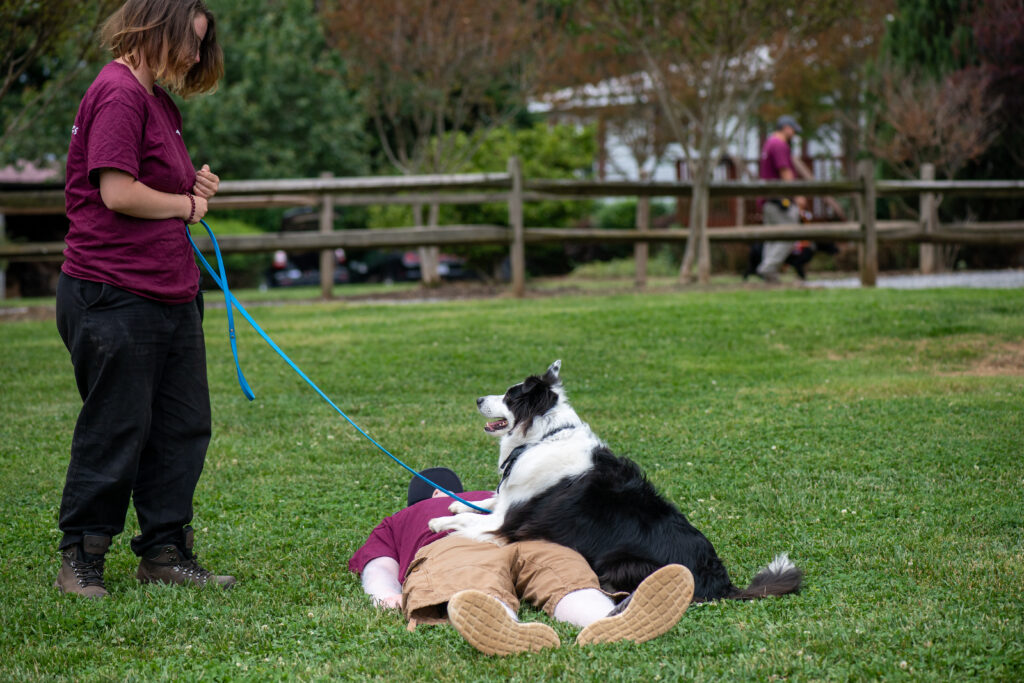
Credit: internationaldogtrainerschool.com
Building Client Relationships
Building strong client relationships is a key part of becoming a successful service dog trainer. Trust and clear communication help trainers understand the unique needs of each client. Good relationships lead to better training outcomes and happier clients.
Assessing Client Needs
Start by listening carefully to the client’s goals and challenges. Ask questions about their lifestyle and the tasks they want the service dog to perform. Observe the client’s environment to see what support the dog must provide. This helps create a tailored training plan that fits their needs perfectly.
Ongoing Support
Training does not end once the dog learns basic skills. Provide regular check-ins to address new challenges or concerns. Offer advice on dog care and behavior to keep progress steady. Being available for support builds trust and shows clients you care about their success.
Growing Your Career
Growing your career as a service dog trainer means building a strong reputation and expanding your reach. You need to attract clients and build trust in your skills. This takes effort in both marketing and networking.
These two areas help you connect with people who need your services and with others in the industry. Let’s explore how to market your services and network effectively.
Marketing Your Services
Start by creating a clear message about what you offer. Explain the benefits of your training methods in simple words. Use a website or social media to share success stories and client reviews. Show photos and videos of your training sessions. This builds trust and interest.
Offer free tips or guides to attract visitors. Use local ads or community boards to reach nearby clients. Consistency is key. Keep sharing useful content regularly to stay visible.
Networking Tips
Connect with other trainers, veterinarians, and service dog organizations. Attend local events and workshops to meet people face-to-face. Join online groups or forums related to service dogs. Offer help and advice to build good relationships.
Ask satisfied clients for referrals. Word of mouth is powerful in this field. Keep your contacts organized and follow up often. Strong networks lead to more opportunities and growth.
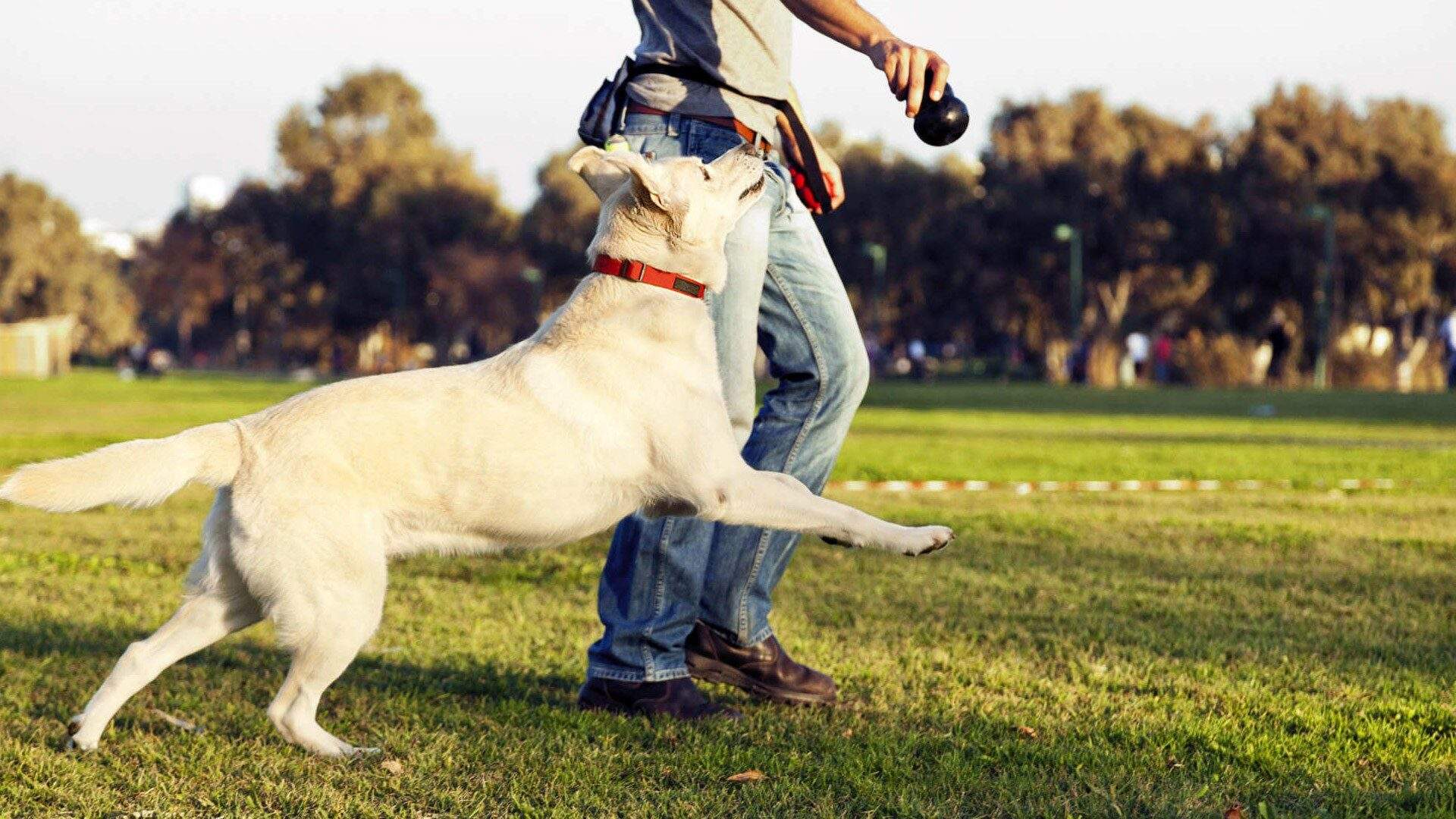
Credit: www.ameridisability.com
Frequently Asked Questions
What Skills Are Needed To Become A Service Dog Trainer?
Patience, communication, and dog behavior knowledge are key skills for a service dog trainer.
How Long Does It Take To Train As A Service Dog Trainer?
Training usually takes several months to a year, depending on the program and experience.
Do I Need Certification To Become A Service Dog Trainer?
Certification is not always required, but it helps prove your skills and knowledge.
What Education Is Recommended For Service Dog Trainers?
Courses in animal behavior, training, or veterinary studies are helpful for this career.
Can I Train Service Dogs At Home?
Yes, many trainers start at home but need space and proper tools for training.
How Much Do Service Dog Trainers Earn?
Earnings vary widely but typically range between $30,000 and $60,000 per year.
Conclusion
Becoming a service dog trainer takes patience and practice. Start by learning about dog behavior and training methods. Gain experience by working with dogs and trainers. Certification can help prove your skills and knowledge. Remember, every dog and person is different.
Stay kind, patient, and consistent. This career can bring great joy and purpose. Keep improving your skills and never stop learning. Your work can change lives for the better. Ready to begin? Take the first step today.
As an Amazon Associate, I earn from qualifying purchases.