If your dog has just been neutered, you’re probably eager to get back to your daily walks. But you might be wondering, how soon can you safely walk your dog after neutering?
Taking the right steps now can make a big difference in your dog’s healing and comfort. You’ll learn exactly when and how to resume walks without risking your dog’s recovery. Keep reading to ensure your furry friend stays happy and healthy during this important time.
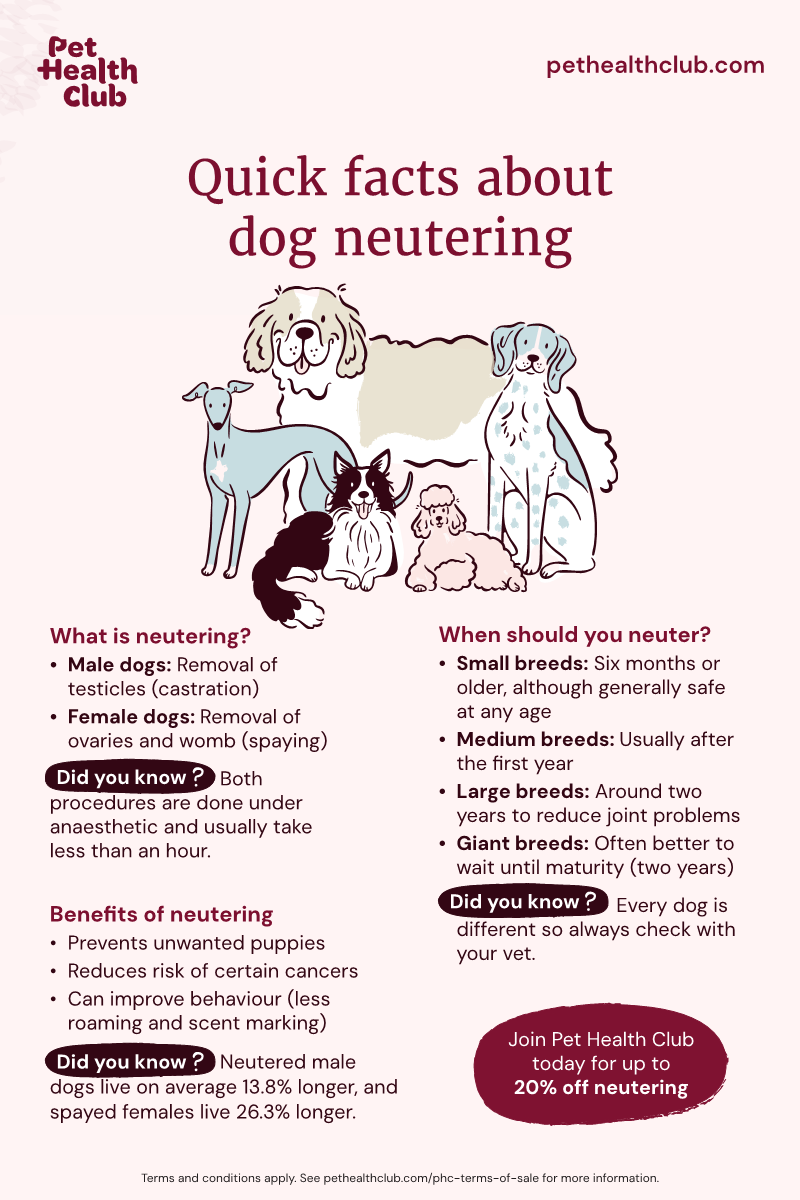
Credit: www.pethealthclub.com
Neutering Recovery Timeline
The neutering recovery timeline guides you on when to walk your dog safely after surgery. It helps protect your dog’s health and speeds healing. Each stage of recovery needs different care and attention.
Understanding these stages lets you support your dog well. Walking too soon can cause pain or complications. Walking too late can lead to stiffness and frustration. Follow the timeline for the best results.
First 24 Hours
Rest is most important during the first 24 hours. Your dog may feel tired and sleepy. Keep your dog calm and avoid any running or jumping. Do not take your dog for a walk yet. Let the anesthesia wear off fully before any activity. Watch for signs of pain or swelling.
Days 2 To 5
Short, slow walks can start during days 2 to 5. Keep walks brief and on a leash. Avoid rough play and jumping. Your dog still needs lots of rest. Check the surgery site daily for redness or discharge. Call the vet if you see anything unusual.
One Week Post-surgery
By one week, your dog can handle longer walks. Keep the pace slow and steady. Avoid off-leash running or playing with other dogs. The incision should be mostly healed now. Continue to watch for swelling or soreness. Follow your vet’s advice on exercise limits.
When To Start Walking
Knowing when to start walking your dog after neutering is key for a smooth recovery. Dogs need rest, but they also benefit from gentle movement. Walking helps keep their muscles active and prevents stiffness.
Timing depends on the dog’s age, health, and surgery type. Usually, vets suggest waiting a few days before short walks. Watching your dog’s behavior helps decide the right moment to begin.
Short Leash Walks
Start with short walks on a leash. Keep these walks calm and slow. Avoid running, jumping, or rough play during this time. Short walks help your dog stretch legs safely. Limit walks to 5-10 minutes at first. Gradually increase time as your dog heals.
Signs Your Dog Is Ready
Look for signs your dog feels ready to walk. Your dog should be alert and move without pain. Check if they are licking or biting the surgery area less. A calm, relaxed dog often handles walks well. If your dog resists walking, wait a little longer.
Risks Of Early Walking
Walking too soon can cause problems. It may open the surgery wound or cause swelling. Your dog might feel pain or discomfort during early walks. Early activity can slow down healing. Follow your vet’s advice to avoid risks and keep your dog safe.
Walking Tips After Surgery
After your dog’s neutering surgery, walking helps with recovery. It also keeps your dog calm and happy. But walking needs care and attention. Follow these tips to make walks safe and gentle for your dog.
Short, slow walks help your dog heal well. Avoid pushing your dog too hard or too far.
Keep Walks Gentle
Start with short walks of five to ten minutes. Walk slowly to avoid strain on the surgery site. Use a leash to control your dog’s pace. Gentle walking prevents pulling or jumping. Rest often and watch for signs of tiredness.
Avoid Rough Terrain
Choose flat, smooth paths for walks. Avoid rocky, steep, or uneven ground. Rough terrain can cause slips or falls. These may hurt the healing area. Safe paths reduce the risk of injury and stress.
Monitor Behavior During Walks
Watch your dog carefully during walks. Look for limping, whining, or slowing down. These signs mean your dog needs rest. Stop the walk if your dog seems in pain. Contact your vet if unusual behavior continues.

Credit: www.agriapet.co.uk
Managing Pain And Discomfort
After neutering, your dog may feel pain and discomfort. Managing this pain is key to a quick recovery. Proper care helps your dog stay calm and heal well. You can help by following simple steps. These steps include giving pain medicine, using soothing methods, and knowing when to call the vet.
Pain Medication Guidelines
Always follow the vet’s instructions for pain medicine. Do not give human painkillers to your dog. Use only the prescribed medicine and dose. Give the medicine on time for best effect. Watch your dog for side effects like vomiting or drowsiness. Contact the vet if you notice any problems.
Soothing Techniques
Keep your dog in a quiet, comfortable place. Use soft bedding to reduce pressure on the surgery area. Offer gentle petting and calm words to relax your dog. Avoid rough play or jumping for at least a week. Cold compresses can reduce swelling but ask your vet first. These methods help ease pain and stress.
When To Contact The Vet
Call the vet if your dog shows signs of strong pain. Look for swelling, redness, or discharge from the wound. If your dog stops eating or drinking, get help. Difficulty walking or severe lethargy needs vet attention. Early care prevents problems and aids healing. Don’t wait if you feel something is wrong.
Preventing Infection And Complications
Preventing infection and complications after neutering is very important for your dog’s health. Careful attention helps your dog heal faster and stay comfortable. Understanding the basics of wound care and knowing signs of infection can save your dog from serious problems. Keeping the incision clean is a simple step that makes a big difference.
Wound Care Basics
Check the incision area twice a day for swelling or redness. Avoid letting your dog lick or bite the wound. Use an Elizabethan collar if needed. Keep your dog calm and limit running or jumping. Follow the vet’s advice about medication and care. Do not apply creams or ointments unless the vet says so.
Signs Of Infection
Look for redness that spreads around the wound. Notice any swelling or warmth at the site. Watch for pus or bad smells coming from the incision. Your dog may lick the area more than usual. Fever, loss of appetite, or tiredness can also signal infection. Contact your vet quickly if you see these signs.
Keeping The Incision Clean
Use a clean, damp cloth to gently wipe around the wound. Avoid soaking the area or using harsh soaps. Keep your dog’s bedding fresh and dry. Change the bedding often to reduce germs. Prevent dirt or grass from touching the incision during walks. Clean hands before touching the wound to avoid germs.
Credit: shopadventuredogs.com
Adjusting Exercise As Healing Progresses
After your dog’s neutering surgery, exercise needs careful adjusting. Healing takes time, and too much activity can cause problems. Start slow and watch your dog’s behavior closely. Adjust exercise as healing progresses to ensure comfort and safety.
Increasing Walk Duration
Begin with short walks of 5 to 10 minutes. Keep your dog on a leash to control movement. Gradually add 5 minutes every few days. Look for signs of tiredness or discomfort. If your dog seems tired, stop and rest.
Reintroducing Playtime
Wait at least two weeks before allowing play. Start with gentle activities like soft petting or calm indoor games. Avoid running or jumping at first. Slowly bring back play sessions over several days. Watch for any signs of pain or swelling.
Long-term Activity Planning
Plan regular exercise to keep your dog healthy. Balance walks, playtime, and rest each day. Avoid intense exercise for at least four weeks. Use this time to build a good routine. Your dog will enjoy a happy, active life after full healing.
Frequently Asked Questions
How Soon Can I Take My Dog For A Walk After Neutering?
Most vets recommend waiting 3 to 5 days before short, gentle walks to avoid strain on the wound.
What Type Of Walk Is Safe After Neutering Surgery?
Short, slow walks on a leash are best to prevent injury and help healing.
How Long Should I Avoid Running Or Jumping Post-neutering?
Avoid running and jumping for at least 10 to 14 days to protect the surgery site.
Can Walking Too Soon After Neutering Cause Problems?
Yes, walking too soon may cause swelling, bleeding, or wound opening.
When Is It Okay To Resume Normal Exercise After Neutering?
Normal exercise can usually start 2 weeks after surgery, once your vet says it’s safe.
Should I Watch For Signs During Walks After Neutering?
Yes, watch for limping, swelling, or discomfort and stop walking if you see any issues.
Conclusion
Walking your dog too soon after neutering can cause problems. Most vets say to wait about 7 to 10 days. This time helps your dog heal well and avoid pain. Start with short, slow walks to keep your dog calm.
Watch for signs of discomfort or swelling. Patience helps your dog recover faster and stay healthy. Always follow your vet’s advice for the best care. Taking it slow now means more happy walks later.
As an Amazon Associate, I earn from qualifying purchases.