If you have a Labrador, you know how important it is to give your dog a safe and comfortable space. Choosing the right size dog cage for your Labrador isn’t just about fitting them inside—it’s about making sure they feel secure and happy.
Pick a cage that’s too small, and your dog will feel cramped and restless. Go too big, and it might not provide the cozy den-like environment Labradors need. You’ll discover exactly what size cage works best for your furry friend, so you can make the best choice for their comfort and well-being.
Keep reading to find out how to create the perfect spot your Labrador will love.

Credit: magneticpolefit.com
Labrador Size Basics
Labradors are medium to large dogs known for their friendly nature and strong build. Choosing the right cage size depends on understanding their size at different life stages. This helps ensure comfort and safety inside the cage.
Average Weight And Height
Adult Labradors usually weigh between 55 and 80 pounds. Males tend to be heavier than females. Their height ranges from 21.5 to 24.5 inches at the shoulder. Size may vary slightly depending on the dog’s genetics and diet.
Growth Stages
Puppy Labradors grow quickly during the first year. At 3 months, they weigh about 20 to 30 pounds. By 6 months, weight can double or more. Growth slows after 12 months but continues until around 18 to 24 months. Cage size should increase as your dog grows to allow enough space to move and rest comfortably.
Choosing Cage Dimensions
Choosing the right cage size for your Labrador is important. The cage must be comfortable and safe. It should give your dog enough space to move freely. This section explains how to pick the right dimensions.
Consider your Labrador’s size and activity level. A cage that is too small can cause stress. A cage that is too large may not provide the needed security. Balance is key for your pet’s well-being.
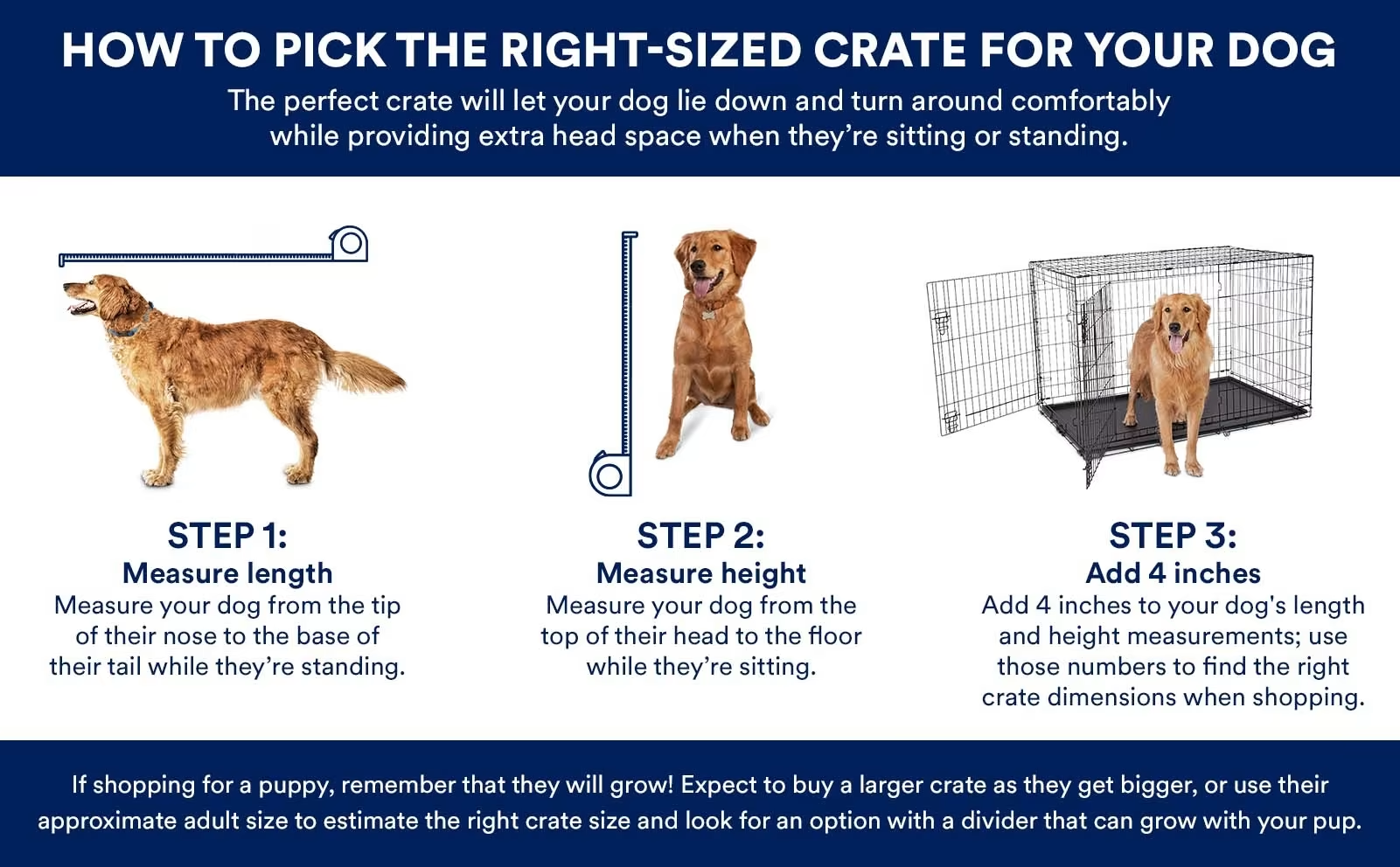
Length And Width Needs
Your Labrador needs enough length to lie down and stretch. Measure your dog from nose to tail for an idea. Add at least 6 to 12 inches to this length.
The width should allow your dog to turn around easily. Around 24 to 30 inches wide works well for most Labradors. This space keeps your dog comfortable and relaxed inside.
Height Requirements
The cage height must be enough for your Labrador to sit and stand. Measure your dog’s height from the floor to the top of the head. Add 4 to 6 inches for comfort.
This height lets your dog move naturally without feeling cramped. Proper height prevents injuries and helps your dog feel calm.
Types Of Dog Cages
Choosing the right cage for your Labrador is important for their comfort and safety. Dog cages come in different types. Each type offers unique features and benefits. Understanding these types helps pick the best fit for your dog’s needs.
Wire Crates
Wire crates are very popular. They offer good ventilation and visibility. Labradors can see outside and feel less confined. Wire crates are strong and durable. Many come with a removable plastic tray for easy cleaning. These crates fold flat for easy storage and travel.
Plastic Kennels
Plastic kennels provide a cozy, enclosed space. They block drafts and offer privacy. Labradors often feel secure inside. These kennels are lighter than wire crates. They work well for car travel and airplane trips. Plastic kennels are easy to clean but less ventilated.
Soft-sided Carriers
Soft-sided carriers are lightweight and portable. They have mesh panels for airflow. These carriers suit calm Labradors and short trips. Soft-sided carriers are easy to carry by hand. They are not as sturdy as wire or plastic crates. Use them mainly for travel, not home confinement.
Credit: plaris.com.co
Material Considerations
Choosing the right material for a Labrador dog cage matters a lot. Material affects comfort, safety, and the cage’s lifespan. Different materials offer unique benefits and challenges. Focus on durability, ventilation, and portability to find the best option.
Durability
Labradors are strong dogs. They can chew or scratch cages. Strong materials like metal or heavy-duty plastic last longer. Metal cages resist damage better than plastic ones. Wood cages may look good but can break easily. Choose a material that handles rough use without breaking.
Ventilation
Good airflow keeps your dog cool and comfortable. Wire cages provide excellent ventilation. Solid plastic or wooden cages may trap heat and moisture. Proper ventilation helps reduce bad smells too. Ensure the cage design allows fresh air to flow freely.
Portability
Sometimes you need to move the cage. Lightweight materials like plastic are easier to carry. Metal cages can be heavy but often fold flat for storage. Consider how often you will move the cage. Pick a material that fits your lifestyle and travel needs.
Comfort And Safety Features
Choosing the right dog cage for your Labrador means focusing on comfort and safety. These two factors help your dog feel relaxed and secure. A cage that has good padding, strong latches, and fresh air keeps your Labrador happy and healthy. Let’s explore these important features.
Padding And Flooring
Soft padding makes the cage cozy for your Labrador. It protects their joints and bones from hard surfaces. Use thick mats or foam pads to cover the floor. This creates a warm and comfy spot to rest. A cushioned floor also stops slipping and sliding inside the cage.
Secure Latches
Strong latches keep the cage door closed tightly. Labradors are curious and may try to open loose doors. Secure locks prevent escapes and keep your dog safe. Look for metal latches that are easy for you to use but hard for your dog to open. This avoids accidents and worry.
Proper Ventilation
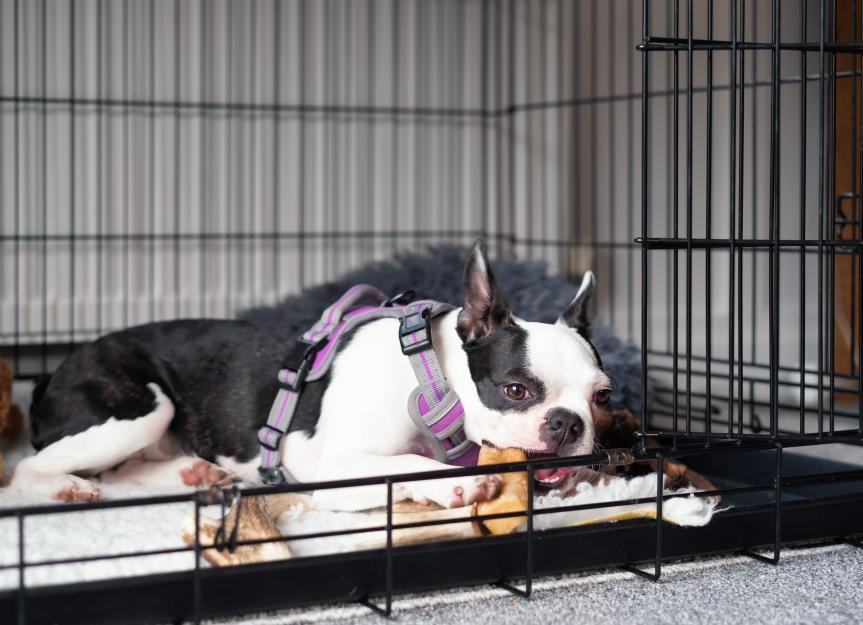
Good airflow inside the cage is a must. Ventilation stops heat and moisture from building up. It helps your Labrador breathe fresh air. Choose cages with open sides or mesh panels. This keeps the space cool and dry, especially in warm weather. Proper ventilation means a healthy and happy dog.
Credit: scala-santa.com
Adjusting For Puppies
Choosing the right dog cage size for a Labrador puppy takes some thought. Puppies grow fast. They need space to move but also a cozy spot to feel safe. Adjusting the cage size as your Labrador grows helps with training and comfort. This way, the cage stays useful for a long time.
Expandable Cages
Expandable cages change size as your puppy grows. They offer more room without buying a new cage. This saves money and space at home. You can add panels to make the cage bigger. When your Labrador becomes an adult, the cage fits well for its full size. These cages keep your puppy comfortable and safe all the time.
Temporary Dividers
Temporary dividers make a big cage smaller for a puppy. They create a cozy area inside a large cage. The puppy feels secure in a smaller space. As the puppy grows, move the divider to add more room. This method is easy and flexible. It helps with potty training and prevents the puppy from having too much space. Dividers keep the cage just right for your Labrador’s size.
Common Mistakes To Avoid
Choosing the right size dog cage for your Labrador is important. Mistakes can make your dog uncomfortable or unsafe. Avoid common errors to keep your pet happy and healthy.
Choosing Too Small
A cage that is too small limits your dog’s movement. Labradors need space to stand, turn, and lie down comfortably. A tight cage causes stress and anxiety. Your dog may try to escape or become restless. Always pick a cage size that gives enough room for natural movement.
Ignoring Weight Limits
Every cage has a weight limit. Ignoring this can lead to safety problems. A cage not made for your Labrador’s weight might break or collapse. This puts your dog at risk of injury. Check the manufacturer’s weight guide before buying. Choose a cage that supports your dog’s current and adult weight.
Additional Accessories
Choosing the right size dog cage for your Labrador is important. Adding the right accessories makes the cage more comfortable and fun. These extras help your dog feel safe and entertained inside the cage.
Cage Covers
Cage covers create a cozy, den-like space for your Labrador. They block light and noise, helping your dog relax. Covers also add privacy, making the cage feel like a safe spot. Choose a breathable fabric to keep airflow good and prevent overheating.
Chew-proof Toys
Labradors love to chew, so chew-proof toys are a must. These toys keep your dog busy and stop boredom. Durable toys made of rubber or tough plastic work best. They also protect your cage and your dog’s teeth.
Feeding Attachments
Feeding attachments attach to the cage walls, saving space and reducing mess. Bowls that clip on stay stable and prevent spills. They make meal times easier and keep the cage clean. Choose stainless steel bowls for easy cleaning and long use.
Cleaning And Maintenance Tips
Keeping your Labrador’s cage clean is important for its health and comfort. A clean cage prevents bad smells and keeps your dog happy. Regular cleaning also stops germs and bacteria from building up. Simple steps make cage care easy and fast.
Easy-to-clean Materials
Choose a cage made from smooth, non-porous materials. Plastic and metal cages clean quickly and do not absorb dirt. Avoid cages with fabric parts that trap hair and stains. A cage with a removable tray speeds up cleaning. Wipe the cage daily with mild soap and water. Use a disinfectant safe for pets once a week. Dry the cage completely before putting your dog back inside.
Regular Inspection
Check your Labrador’s cage often for damage or dirt. Look for sharp edges or broken parts that can hurt your dog. Inspect the door and locks to ensure they work well. Clean up any spills or messes right away. Replace worn or broken parts immediately. Regular checks keep the cage safe and comfortable for your dog. A clean, intact cage helps your Labrador feel secure and relaxed.
Frequently Asked Questions
What Is The Ideal Dog Cage Size For A Labrador?
A cage around 42 inches long suits most adult Labradors comfortably.
Can A Too Small Cage Harm My Labrador?
Yes, small cages can cause stress and restrict movement, hurting your dog.
How To Measure My Labrador For The Right Cage Size?
Measure your dog’s length from nose to tail and height to shoulders.
Should The Cage Be Bigger Than My Labrador’s Size?
Yes, the cage should allow your dog to stand, turn, and lie down.
Are Soft-sided Cages Good For Labradors?
Soft-sided cages are less durable and may not suit active Labradors well.
How Does Cage Size Affect My Labrador’s Comfort?
A proper size cage gives your Labrador space to relax and feel safe.
Conclusion
Choosing the right dog cage size keeps your Labrador safe and happy. A cage too small causes discomfort and stress. Too large may reduce the feeling of security. Measure your dog’s length and height before buying. Aim for a cage that lets your Labrador stand, turn, and lie down comfortably.
This simple step creates a cozy space for rest and travel. Remember, a well-fitted cage helps your dog feel calm and secure every day.
As an Amazon Associate, I earn from qualifying purchases.