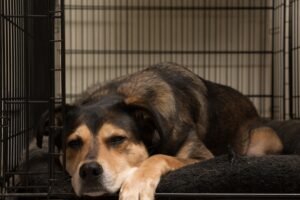
Is your dog peeing in their kennel and leaving you frustrated? You’re not alone, and the good news is, you can fix this.
When your dog treats their kennel like a bathroom, it’s stressful for both of you. But with the right steps, you can teach your furry friend to see their kennel as a safe, clean space—not a place to pee. Keep reading, and you’ll discover simple, effective tips that work.
By the end, you’ll have a happy dog and a fresh-smelling kennel. Let’s get started!
Credit: www.opirgkingston.org
Reasons Dogs Pee In Kennels
Dogs peeing in their kennels is a common problem for many pet owners. Understanding why this happens helps solve the issue faster. Dogs may pee in kennels for different reasons. Some reasons relate to their feelings, training, health, or the kennel itself. Addressing these can make your dog more comfortable and keep the kennel clean.
Stress And Anxiety
Dogs often feel stressed or anxious in kennels. This can cause them to pee inside. New environments or loud noises may scare them. Separation from their owner can also increase anxiety. Stress makes dogs lose control of their bladder. They may use peeing as a way to cope.
Lack Of Proper Training
Many dogs pee in kennels because they lack training. They might not know the kennel is not a bathroom. Puppies especially need clear rules and guidance. Consistent potty training helps dogs learn where to pee. Without training, accidents in kennels will continue.
Medical Issues
Sometimes, medical problems cause kennel peeing. Urinary tract infections or bladder issues can lead to accidents. Older dogs may have weak bladder muscles. Dogs with diabetes or kidney problems may urinate more often. A vet checkup can rule out health issues.
Inadequate Kennel Size
Kennels that are too small cause dogs to pee inside. Dogs avoid soiling their sleeping area but may have no space. If the kennel is cramped, the dog has no choice. Proper kennel size lets the dog separate bathroom and rest areas. Bigger kennels reduce stress and accidents.
Preparing The Kennel
Preparing the kennel is the first step to stop your dog from peeing inside. A well-prepared kennel feels safe and clean. It helps your dog learn good habits fast. Focus on the kennel’s size, comfort, and cleanliness. These factors make a big difference.
Choosing The Right Kennel
Pick a kennel that fits your dog’s size. Too big, and your dog may pee inside. Too small, and your dog will feel cramped. The kennel should be just big enough for your dog to stand, turn, and lie down comfortably. Choose a sturdy kennel with good ventilation. A secure door helps keep your dog safe.
Creating A Comfortable Space
Add soft bedding to the kennel. This makes the kennel feel like home. Avoid materials that absorb urine easily. Use washable covers for easy cleaning. Place a favorite toy or blanket inside. These items calm your dog and reduce stress. Make sure the kennel is in a quiet, calm spot.
Cleaning And Odor Control
Clean the kennel regularly to prevent bad smells. Use pet-safe cleaners to remove urine stains. Avoid strong chemicals that can bother your dog. Good odor control stops your dog from peeing in the same spot. Wash bedding often and replace it if it smells. Fresh smells encourage your dog to keep the kennel clean.
Training Techniques
Training your dog to stop peeing in the kennel takes patience and clear steps. Consistent training techniques help your dog learn where to go. These methods build trust and good habits. Below are practical ways to guide your dog toward proper bathroom behavior.
Establishing A Bathroom Routine
Set regular times for your dog to go outside. Take your dog out first thing in the morning and after meals. A routine helps your dog know when and where to pee. Watch for signs your dog needs to go. Consistency reduces accidents in the kennel.
Positive Reinforcement
Praise your dog right after it pees outside. Use treats and kind words to reward good behavior. This teaches your dog that outside is the right place. Avoid punishment for accidents in the kennel. Positive rewards motivate your dog to repeat good actions.
Crate Training Tips
Choose a kennel size just big enough to stand and turn. Dogs avoid soiling their sleeping area. Keep the kennel clean and comfortable. Limit kennel time and increase outdoor breaks. Use the kennel as a safe space, not a punishment. This encourages your dog to hold pee until outside.
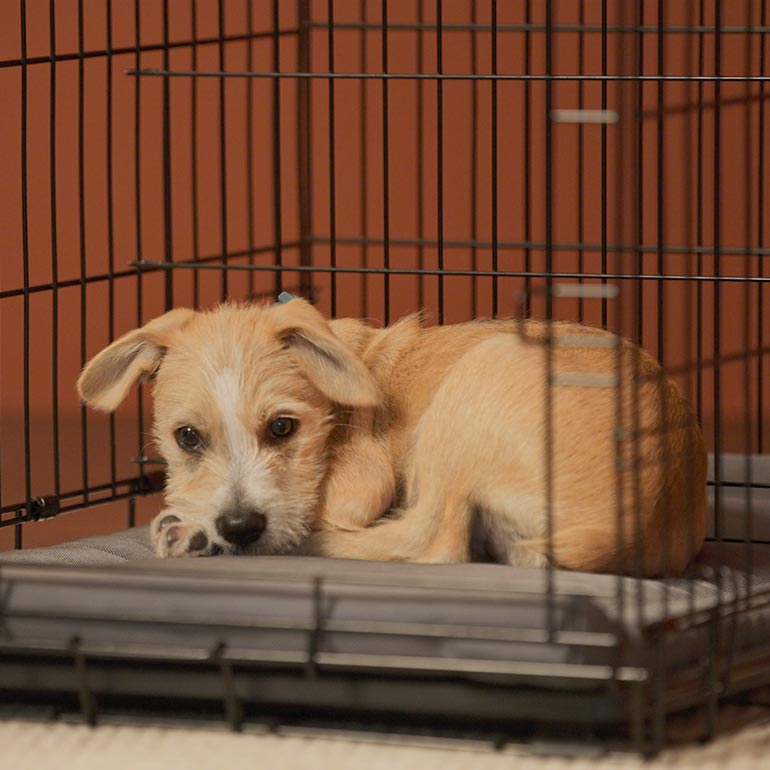
Credit: s-laguna.ru
Behavioral Adjustments
Behavioral adjustments can help your dog stop peeing in the kennel. Dogs often act out when they feel stressed or bored. Changing how you manage their behavior can improve their comfort and reduce accidents. Small changes in daily routines make a big difference.
Reducing Separation Anxiety
Separation anxiety causes stress and can lead to peeing. Spend time near the kennel before leaving. Give your dog a special toy or treat to create positive feelings. Practice short separations and slowly increase the time apart. Calm voices and gentle petting soothe anxious dogs.
Increasing Exercise And Playtime
More exercise helps reduce stress and restlessness. Take your dog for walks daily. Play fetch or tug-of-war to burn energy. A tired dog is less likely to pee in the kennel. Exercise also improves digestion and bladder control.
Using Calming Aids
Calming aids can reduce anxiety and help relax your dog. Use pheromone sprays or diffusers designed for dogs. Soft music or white noise can create a soothing environment. Natural supplements like chamomile may support calm behavior. Always consult your vet before using supplements.
When To Consult A Vet
Knowing when to consult a vet is key to solving your dog’s peeing in the kennel. Some health issues can cause this behavior. Early vet visits help catch problems fast. Your dog’s comfort and health come first.
Identifying Health Problems
Unusual peeing may signal health problems. Urinary tract infections are common causes. Bladder stones or kidney issues also play a role. Diabetes or hormonal imbalances affect urination. Watch for signs like frequent peeing, blood in urine, or discomfort. Sudden changes in behavior or appetite matter too. A vet can run tests to find the cause.
Medication And Treatment Options
After diagnosis, vets suggest proper treatment. Antibiotics clear infections quickly. Special diets help with bladder stones. Hormone therapy may be needed for some dogs. Treatment plans often include behavior advice. Proper care reduces kennel accidents. Follow vet instructions to ensure success. Regular check-ups keep your dog healthy and happy.

Credit: www.youtube.com
Frequently Asked Questions
How To Stop My Dog From Peeing In The Kennel?
Clean the kennel often and take your dog out before kennel time. Use positive rewards.
Why Does My Dog Pee In The Kennel?
Dogs may pee due to stress, lack of bathroom breaks, or medical issues.
How Long Should A Dog Stay In A Kennel?
Keep kennel time under 4-6 hours for adult dogs to avoid accidents.
Can Kennel Size Affect My Dog Peeing Inside?
Yes, a kennel too big may encourage peeing. Choose a size just right.
What Cleaning Products Remove Dog Pee Smell In Kennels?
Use enzymatic cleaners to remove urine smell and prevent repeat marking.
Should I Crate Train My Dog To Avoid Kennel Peeing?
Yes, crate training teaches dogs to hold urine and see the kennel as safe.
Conclusion
Stopping your dog from peeing in the kennel takes patience and care. Keep the kennel clean and comfortable to encourage good habits. Set a regular potty schedule and praise your dog for going outside. Use positive training methods and avoid punishment.
Watch for signs your dog needs to go out. Remember, consistency helps your dog learn faster. With time and love, your dog will feel happy and dry in the kennel. Small steps lead to great results. Keep trying—you and your dog can do it!
As an Amazon Associate, I earn from qualifying purchases.