Seeing your dog’s ear bleed can be scary and confusing. You want to help your furry friend quickly but might not know what to do first.
If you’ve ever wondered how to stop your dog’s bleeding ear safely and effectively, you’re in the right place. This guide will walk you through simple steps you can take right now to manage the situation and keep your dog comfortable.
Keep reading, because knowing what to do could make all the difference for your dog’s health and your peace of mind.
Common Causes Of Ear Bleeding In Dogs
Ear bleeding in dogs can be alarming for pet owners. Understanding common causes helps in quick care. Several issues can lead to bleeding, each needing attention. Recognizing symptoms early can prevent serious problems. Here are the main reasons for ear bleeding in dogs.
Infections And Ear Mites
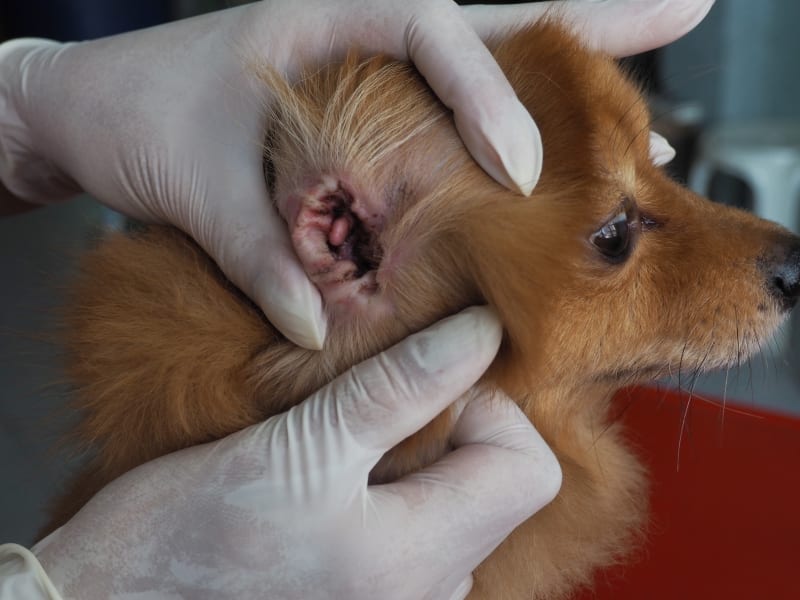
Infections often cause ear bleeding in dogs. Bacterial and yeast infections are common culprits. They cause swelling, redness, and sometimes oozing. Ear mites are tiny parasites that irritate the ear canal. They scratch and damage the skin inside the ear. This damage can lead to bleeding and discomfort.
Injuries And Trauma
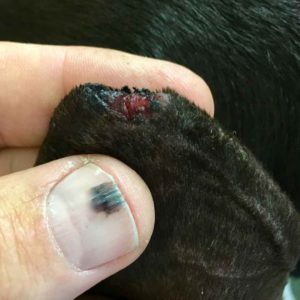
Physical injuries also cause bleeding in a dog’s ear. Scratches, bites, or rough play can harm the ear. Foreign objects stuck in the ear canal may cause wounds. Constant shaking of the head may worsen injuries. Trauma often results in visible cuts or swelling.
Allergies And Irritations
Allergies may trigger ear bleeding by causing itchiness. Dogs may scratch their ears until they bleed. Common allergens include food, pollen, and dust mites. Irritants like shampoos or chemicals can also harm the ear. These irritations make the ear skin fragile and prone to bleeding.
Underlying Health Conditions
Some health problems lead to ear bleeding in dogs. Blood clotting disorders may cause spontaneous bleeding. Tumors or growths inside the ear can break and bleed. Chronic ear disease may weaken blood vessels. Regular vet checks can detect these issues early.
Credit: www.walkervillevet.com.au
Immediate Steps To Control Ear Bleeding
Ear bleeding in dogs can be frightening. Acting fast helps reduce blood loss and prevents infection. Knowing the right steps calms your dog and controls the bleeding effectively.
Calm Your Dog
Keep your dog calm to avoid more injury. Speak softly and move slowly. Use a gentle touch to soothe your pet. A calm dog is easier to treat and less likely to worsen the bleeding.
Clean The Ear Gently
Remove dirt and debris carefully from the ear. Use a clean cloth or cotton ball. Avoid pushing anything deep inside the ear canal. Clean only the visible parts to prevent more damage.
Apply Pressure To Stop Bleeding
Use a clean cloth or gauze to press the bleeding area. Apply firm but gentle pressure for several minutes. This helps blood clot and stops the flow. Avoid lifting the cloth to check too soon; keep pressure steady.
Effective Home Remedies For Ear Bleeding
Stopping ear bleeding in dogs at home requires gentle care and simple remedies. Act quickly to prevent infection and reduce pain. Use safe, natural methods to help your dog feel better.
These home remedies can control bleeding effectively. They soothe the ear and protect it from further damage. Always watch your dog closely during treatment.
Using Cold Compress
Apply a cold compress to the dog’s ear to reduce bleeding. Wrap ice in a clean cloth to avoid frostbite. Hold the compress gently on the ear for 5 to 10 minutes. Cold helps to slow blood flow and ease swelling. Repeat as needed but give breaks between applications.
Applying Natural Astringents
Natural astringents help stop bleeding by shrinking blood vessels. Witch hazel is a popular option. Dab a small amount on a cotton ball and gently touch the bleeding area. Avoid pushing deep inside the ear canal. Use this method carefully to avoid irritation or discomfort.
Using Antiseptic Solutions
Clean the ear with mild antiseptic solutions to prevent infection. Use diluted hydrogen peroxide or saline solution. Apply with a clean dropper or cotton ball around the wound. Do not pour liquid deep into the ear. This keeps the area clean and helps healing.
Credit: www.vmsg.com
When To Seek Veterinary Care
Knowing when to seek veterinary care is key to protecting your dog’s health. Some ear bleeding cases need urgent attention. Other times, home care may be enough. Watch your dog closely. Notice any changes in behavior or symptoms. Acting quickly can prevent serious problems. Here are signs that require a vet visit.
Signs Of Severe Bleeding
Heavy bleeding that won’t stop needs immediate care. Blood pouring from the ear is a danger sign. Clots or thick blood can block the ear canal. Your dog may shake its head a lot. Check for swelling or wounds around the ear. Severe bleeding can cause pain and shock. A vet can control bleeding safely and find the cause.
Persistent Or Recurrent Bleeding
Bleeding that lasts more than a day needs a check-up. If blood comes back after stopping, see the vet. Repeated ear bleeding may mean infection or injury. Chronic conditions can cause long-term damage. Your vet will examine the ear and may do tests. Early treatment helps your dog heal faster.
Additional Symptoms To Watch For
Look for signs like foul smell or discharge from the ear. Your dog might scratch or rub the ear often. Head tilting or loss of balance can happen. Redness and swelling around the ear are warning signs. A fever or loss of appetite shows illness. These symptoms need a professional evaluation. Do not delay veterinary care in these cases.
Preventing Future Ear Bleeding
Preventing future ear bleeding in dogs is important for their health. Regular care helps avoid pain and infections. Consistent habits keep your dog’s ears clean and safe. Small steps can make a big difference in ear health.
Regular Ear Cleaning Routine
Clean your dog’s ears gently with a vet-approved solution. Do this once a week or as your vet suggests. Use a soft cloth or cotton ball. Avoid using cotton swabs deep inside the ear. Cleaning removes dirt and prevents infections that cause bleeding.
Avoiding Allergens And Irritants
Allergens can cause itching and ear damage. Keep your dog away from dust, pollen, and harsh chemicals. Use pet-safe cleaning products around the house. Watch for signs of allergies like scratching or redness. Reducing exposure lowers the chance of ear problems.
Proper Grooming And Ear Care
Trim hair around the ears to improve airflow. Excess hair can trap moisture and dirt. Check ears regularly for redness or odor. Dry ears carefully after baths or swimming. Good grooming helps keep ears dry and healthy, preventing bleeding.

Credit: www.wikihow.com
Frequently Asked Questions
How Can I Stop My Dog’s Ear Bleeding At Home?
Apply gentle pressure with a clean cloth to stop bleeding quickly and gently.
What Causes Bleeding In A Dog’s Ear?
Injuries, infections, allergies, or ear mites often cause ear bleeding in dogs.
When Should I See A Vet For My Dog’s Bleeding Ear?
Seek vet help if bleeding lasts over 15 minutes or if swelling and pain increase.
Can Ear Infections Cause A Dog’s Ear To Bleed?
Yes, infections can cause irritation and bleeding inside a dog’s ear.
How Do I Clean My Dog’s Bleeding Ear Safely?
Use a vet-recommended ear cleaner and avoid inserting anything deep into the ear canal.
What Home Remedies Can Soothe A Dog’s Bleeding Ear?
Cold compresses and keeping the ear dry can help reduce swelling and discomfort.
Conclusion
Stopping your dog’s ear bleeding quickly is important. Act fast and stay calm. Clean the area gently and apply pressure. Watch for signs of infection or pain. Visit the vet if bleeding continues or worsens. Regular ear checks help prevent future problems.
Caring for your dog’s ears keeps them healthy and happy. Simple steps make a big difference in your pet’s comfort. Always be patient and gentle during care. Your dog depends on you for safety and love.
As an Amazon Associate, I earn from qualifying purchases.