If you rely on your vision less than others, a seeing eye dog can change your life in amazing ways. Imagine having a loyal companion who not only guides you safely but also offers comfort and confidence every day.
You might wonder how to get one and what the process looks like. This guide will walk you through each step clearly and simply, so you know exactly what to expect. Keep reading to discover how you can bring a seeing eye dog into your life and open the door to greater independence.
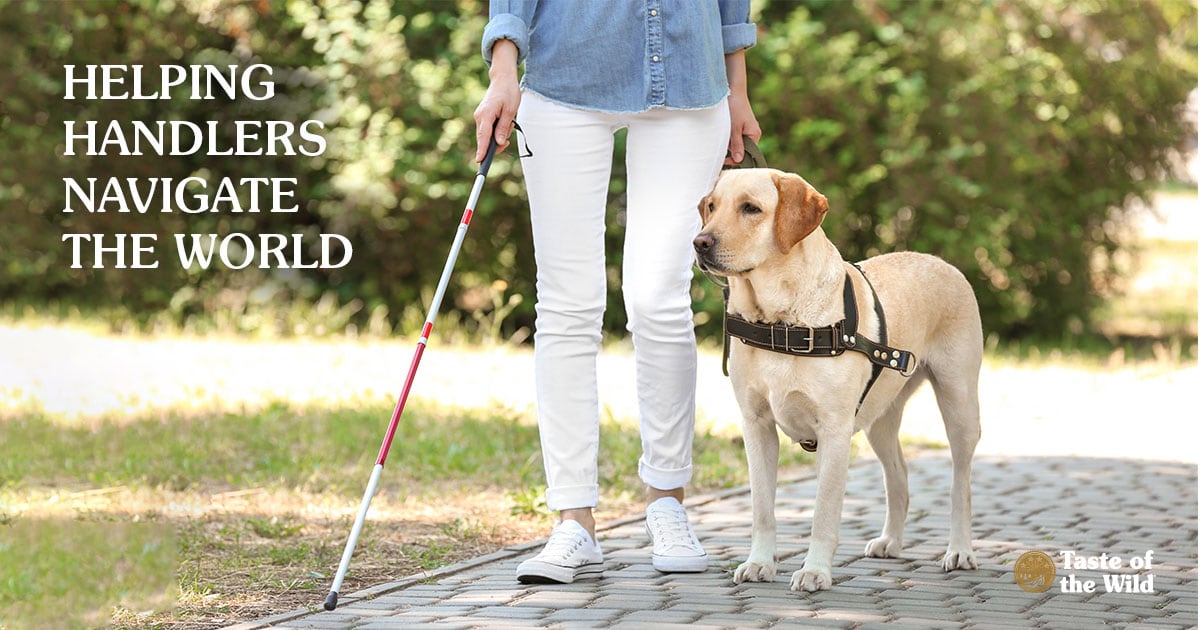
Credit: www.tasteofthewildpetfood.com
Qualifying For A Seeing Eye Dog
Qualifying for a seeing eye dog is the first step toward gaining independence. Not everyone can get a guide dog, as certain criteria must be met. This ensures the dog can truly assist and improve daily life. Understanding these requirements helps prepare for the application process.
Assessing Vision Needs
Vision loss varies from person to person. Some need a dog to guide them safely outside. Others require help with obstacles or crossing streets. A professional will evaluate how much vision you have left. They decide if a seeing eye dog can help you effectively.
Medical And Mobility Requirements
Good health is important for handling a guide dog. You must be able to walk and control the dog’s harness. Some medical conditions may prevent you from caring for the dog properly. Doctors check your overall health before approving a dog partnership.
Consulting With Specialists
Experts like ophthalmologists and mobility trainers play key roles. They assess your vision and how you move around. Their advice helps decide if a guide dog fits your lifestyle. They also recommend the best training and support options.
Choosing The Right Organization
Choosing the right organization to get a seeing eye dog is very important. The right group makes sure the dog fits your needs. It also offers good training and support. This helps you and your dog work well together. Take time to find the best place for your new companion.
Researching Accredited Programs
Start by finding programs that are accredited. Accreditation means they meet high standards. These groups follow strict rules for training and care. Check their reputation and reviews from other users. Accredited programs often have better results for both dogs and owners.
Comparing Training Methods
Training styles can differ from one program to another. Some use gentle, reward-based methods. Others might use more strict techniques. Choose a program that matches your comfort level and needs. The dog must learn to help you safely and confidently.
Evaluating Support Services
Good organizations offer support after you get your dog. This includes help with training, health, and daily care. Check if they provide follow-up visits or phone support. Ongoing help makes it easier to adjust to life with your new dog.
Application Process
The application process for getting a seeing eye dog is a key step. It helps match you with the right dog for your needs. This process requires some time and preparation. Following the steps carefully will make it easier and faster.
Gathering Necessary Documents
Start by collecting all needed documents. These usually include medical records proving your vision loss. You may also need identification and proof of residency. Some organizations ask for letters from your doctor. Having these ready speeds up your application.
Completing The Application Form
Fill out the application form with clear and accurate details. Answer all questions honestly. The form asks about your daily life and mobility skills. This information helps find a dog that fits your lifestyle. Double-check your form for any mistakes.
Preparing For Interviews
Interviews are part of the process to learn more about you. You might meet with trainers or coordinators. They ask about your needs and goals. Practice simple answers about your vision challenges. Be ready to discuss how a dog can help you.
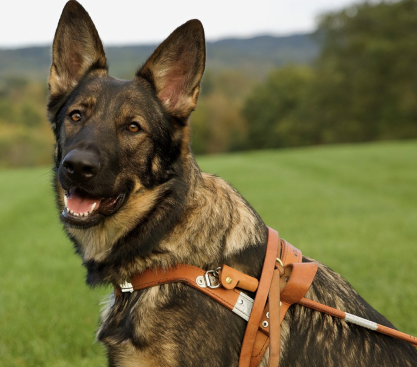
Credit: seeingeye.org
Training And Matching
Training and matching are key steps in getting a seeing eye dog. This process ensures the dog fits well with your lifestyle and needs. Both you and the dog will learn how to work as a team. The right training builds trust and safety for daily tasks.
Attending Training Sessions
Training sessions teach you how to handle your new dog. These classes cover walking, stopping, and avoiding obstacles. Trainers show the best ways to guide and communicate with your dog. Practice happens in real places like streets and stores. Regular attendance helps you gain confidence and skills fast.
Building A Bond With Your Dog
Spending time together creates a strong bond. This bond helps your dog understand your needs. Simple activities like playing and resting build trust. A close connection makes guiding safer and easier. Patience and kindness help your dog feel secure and happy.
Learning Commands And Safety
Learning commands is important for safety and control. Commands like “forward,” “left,” and “stop” guide the dog. You also learn to watch for hazards and respond quickly. Safety lessons include crossing streets and avoiding dangers. Clear commands and safety skills keep you both protected.
Bringing Your Dog Home
Bringing your seeing eye dog home marks the start of a special bond. This moment brings joy and new responsibilities. The dog will become your trusted companion. Your daily life will change to include your new friend.
Adjusting To Daily Life
Begin by creating a calm space for your dog. Let the dog explore the home slowly. Keep routines simple and steady. Dogs feel safe with predictability. Spend time together to build trust. Patience helps both of you adapt.
Maintaining Training
Training does not stop after you bring the dog home. Practice commands every day. Use clear and gentle cues. Consistency strengthens the dog’s skills. Reward good behavior with praise or treats. Regular training keeps the dog focused and helpful.
Ongoing Support And Resources
Support continues beyond the first days. Join groups for seeing eye dog owners. Professionals can offer advice and help. Regular vet visits keep your dog healthy. Use online resources for tips and updates. Staying connected helps your partnership grow strong.
Credit: www.twp.woodbridge.nj.us
Frequently Asked Questions
How Do I Qualify For A Seeing Eye Dog?
You must have a visual impairment and a medical referral to apply for a guide dog.
Where Can I Apply For A Seeing Eye Dog?
Apply through accredited guide dog schools or organizations in your country or region.
How Long Does Training For A Seeing Eye Dog Take?
Training usually lasts 6 to 12 months, including both dog and handler training.
What Costs Are Involved In Getting A Seeing Eye Dog?
Most organizations offer guide dogs at low or no cost to qualified applicants.
Can Any Dog Become A Seeing Eye Dog?
Only certain breeds with calm temperaments and good health are trained as guide dogs.
How Do I Care For And Maintain A Seeing Eye Dog?
Regular vet visits, daily exercise, and proper grooming keep your guide dog healthy and happy.
Conclusion
Getting a seeing eye dog changes many lives. It takes time, patience, and trust. Training and bonding are key to success. Support from trainers and family helps a lot. Each step brings more independence and confidence. A seeing eye dog offers safety and friendship.
Choose a dog that fits your lifestyle well. Your journey will be rewarding and full of learning. Keep hope alive and stay positive always. A loyal guide waits to walk by your side.
As an Amazon Associate, I earn from qualifying purchases.