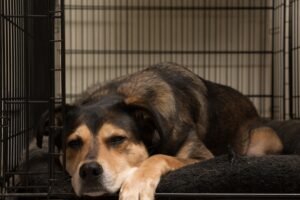
Losing your dog at home is one of the hardest moments you can face. You might feel overwhelmed, confused, and unsure about what to do next.
Your loyal friend has been by your side, and now everything feels sudden and heavy. But in this difficult time, knowing the right steps can help you handle things with care and respect. This guide will walk you through exactly what to do if your dog dies at home, so you can find comfort and take action when it matters most.
Keep reading—you’re not alone, and there is a way forward.
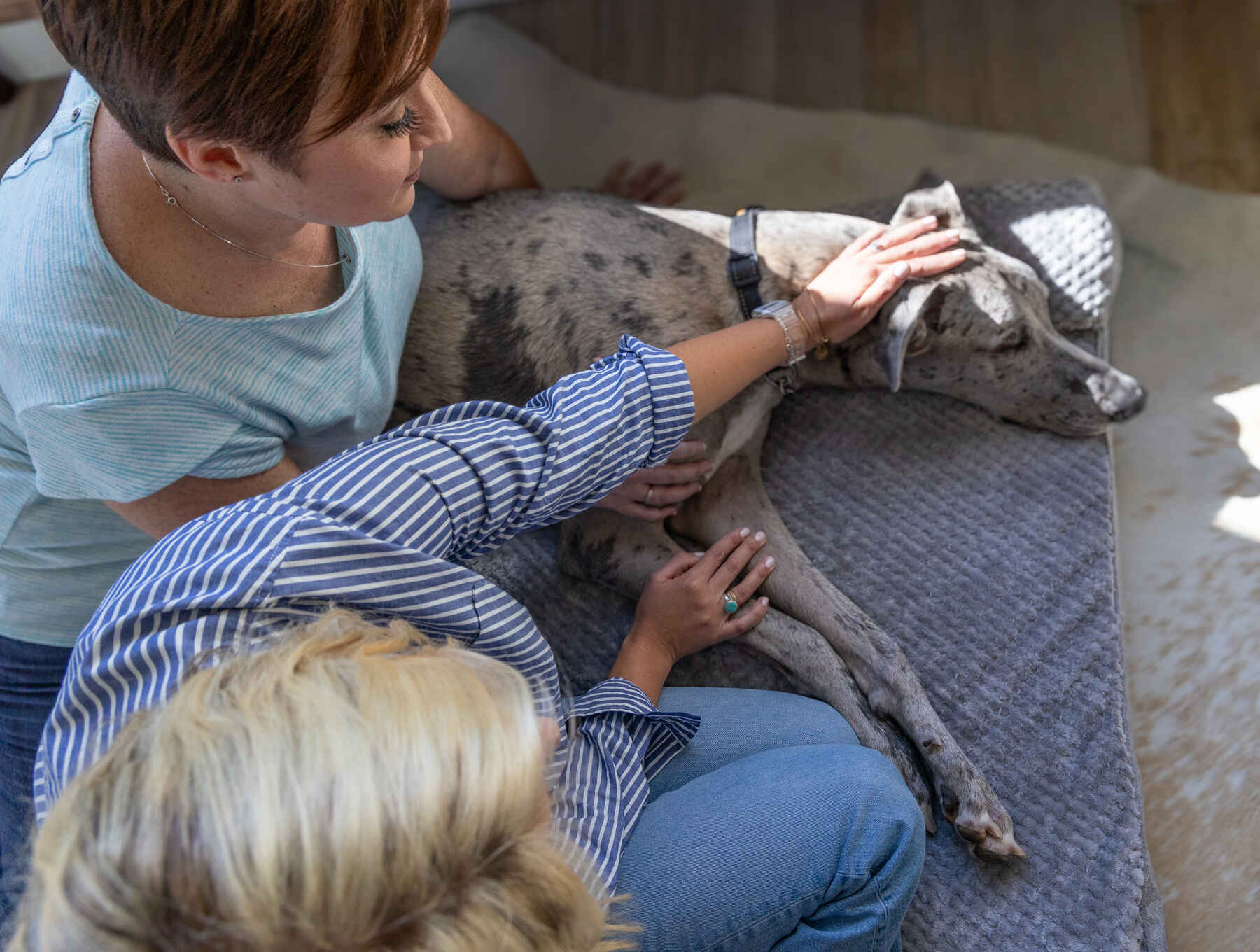
Credit: pawsintograce.com
Immediate Actions After Your Dog Passes
Facing the loss of a dog at home is a deeply emotional moment. Knowing the immediate steps helps manage the situation with care and respect. Acting calmly ensures you handle things properly for your pet and yourself.
These first actions provide guidance during this difficult time. They focus on confirming your dog’s condition and seeking the right help quickly.
Check For Signs Of Life
Look closely for breathing or a heartbeat. Gently feel the chest to see if it rises and falls. Check the gums for color and moisture. Touch the nose to see if it is cool and wet. Sometimes pets appear still but may need immediate care.
Stay Calm And Composed
Take deep breaths to steady your mind. Your calmness helps you think clearly and act wisely. It also comforts your pet during their final moments. Keep quiet and avoid sudden movements. This respect creates a peaceful environment.
Contact A Veterinarian
Call your vet or an emergency animal hospital right away. Explain the situation clearly and follow their advice. They can guide you on next steps or confirm the loss. Professional help supports you through the process and decisions ahead.
Credit: petcremationcolumbus.com
Handling Your Dog’s Body
Handling your dog’s body after they pass at home is a delicate task. It needs care and respect. Taking the right steps can help ease the process during a hard time.
Knowing how to manage your dog’s body safely and gently is important. This section guides you through what to do next.
Deciding On Temporary Placement
Find a cool, quiet place to keep your dog’s body. Avoid warm spots to slow down decay. A garage, basement, or shaded outdoor area works well. Cover the body with a clean sheet or towel. This shows respect and keeps insects away.
Preparing The Body With Care
Handle your dog gently. Use gloves to protect yourself. Close the eyes and mouth softly. You can wrap the body in a blanket or towel. This helps keep the body intact. Avoid moving your dog too much to prevent damage.
Safety And Hygiene Tips
Wear disposable gloves while handling the body. Wash hands thoroughly after touching your dog. Clean any surfaces that the body touched. Use disinfectant to kill germs. Keep pets and children away from the area. Proper hygiene protects your family’s health.
Choosing Aftercare Options
Choosing the right aftercare for your dog is an important step. It helps you say goodbye in a way that feels right. Many options exist, each with its own benefits and meaning. Understanding these choices can make the process easier and more comforting.
Home Burial Guidelines
Home burial allows you to keep your dog close. Check local laws first. Some areas have rules about burying pets at home. Choose a spot away from water sources and utility lines. Dig a hole deep enough to protect the body from animals. Mark the grave with a stone or a special item. This option offers privacy and a personal touch.
Pet Cremation Services
Pet cremation is a common choice for many owners. You can select private or communal cremation. Private means you get your pet’s ashes back. Communal means ashes are not returned. Cremation centers often provide urns or keepsakes. It is a respectful way to honor your dog’s memory. The process is usually quick and handled with care.
Pet Cemeteries And Memorials
Pet cemeteries offer a peaceful resting place outside your home. Many provide engraved stones or plaques. Some allow visits anytime, providing comfort and closure. Memorial gardens and benches are common features. Cemeteries often hold ceremonies or memorial events. This option creates a special place to remember your dog.
Legal And Practical Considerations
When a dog dies at home, there are legal and practical steps to follow. Knowing these rules helps avoid problems later. Laws about pet remains vary by place. Taking care of paperwork is also important. This section explains what to do after your dog passes away.
Local Regulations On Pet Remains
Each area has its own rules about handling pet remains. Some places allow burial in your yard. Others forbid it or require permits. Some areas have specific rules for pet cremation. Check with your local government or animal control. They will tell you what is legal. Following these rules keeps you safe and respectful.
Updating Identification And Records
After your dog dies, update important documents. Contact your vet to cancel vaccinations and records. If your dog was registered with a pet microchip company, inform them. Remove your dog’s name from licenses or pet insurance. This helps avoid future fees or confusion. Keeping records updated is a simple but necessary task.
Emotional Support And Healing
Losing a dog at home brings deep sadness. Emotional support and healing become very important. Caring for your feelings helps you move forward. Taking steps to heal can bring peace. This section offers gentle guidance for that process.
Coping With Grief
Grief is natural after a pet dies. Allow yourself to feel sadness and pain. Crying can help release emotions. Talk about your dog with family or friends. Avoid rushing your feelings or healing. Give yourself time to adjust and remember.
Seeking Support Groups
Support groups connect you with others who understand. Sharing stories can ease loneliness and sadness. Groups may meet online or in person. Listening to others’ experiences offers comfort. Being part of a group helps you heal. You are not alone in this journey.
Honoring Your Pet’s Memory
Creating a tribute helps keep memories alive. Make a photo album or write a story. Plant a tree or flower in your pet’s name. Hold a small ceremony with family members. These acts show love and respect. They help turn sadness into lasting remembrance.
Credit: caringpathways.com
Frequently Asked Questions
What Immediate Steps Should I Take After My Dog Dies At Home?
Check your dog’s body to confirm death, then stay calm and call your vet or pet crematory.
How Can I Handle My Dog’s Body Respectfully At Home?
Place a blanket or towel under your dog, keep them cool, and avoid touching the face or mouth.
When Should I Contact A Veterinarian After My Dog’s Death?
Contact your vet as soon as possible to discuss aftercare options and get guidance on next steps.
What Are My Options For My Dog’s Remains After Death At Home?
You can choose burial, cremation, or pet disposal services based on your local laws and personal preference.
How Can I Support My Family After Losing A Dog Suddenly?
Talk openly about your feelings, share memories, and allow time for everyone to grieve together.
Should I Consider Pet Loss Counseling Or Support Groups?
Yes, joining support groups or counseling can help cope with grief and offer comfort during loss.
Conclusion
Losing a dog at home is very hard and sad. Take time to feel your emotions and remember the good times. Decide what to do with your pet’s remains in a way that feels right. Reach out to friends or family for support.
Keep your dog’s memory alive in small ways. Healing takes time, and that is okay. You are not alone in this experience. Each step helps you move forward gently.
As an Amazon Associate, I earn from qualifying purchases.