Are you wondering when your dog is ready to have puppies? Knowing the right age is crucial for your dog’s health and the well-being of her future puppies.
If you rush into breeding too early or wait too long, it could lead to serious problems. You’ll discover the perfect age for your dog to become a mother, how to tell when she’s ready, and what you need to consider before making this important decision.
Keep reading to make sure you give your dog the best start for a healthy litter.

Credit: thedogalliance.org
Ideal Breeding Age For Dogs
Choosing the right age for a dog to have puppies is very important. It affects the health of the mother and the puppies. Dogs need to be fully grown and healthy before breeding. This helps avoid problems during pregnancy and birth. The ideal breeding age depends on several factors. These include the dog’s size, breed, and physical maturity.
Age Range For First Heat Cycle
Most female dogs have their first heat cycle between six and twelve months. Small breeds may start earlier, around six months. Large breeds often start later, sometimes after twelve months. The first heat is a sign the dog can get pregnant. But breeding during the first heat is not recommended. The dog’s body is still growing and changing.
Maturity Signs In Female Dogs
Look for physical and behavioral signs of maturity. A mature female has a steady weight and size. Her coat looks healthy and shiny. She behaves more calm and stable during heat cycles. Vets often suggest waiting until the second or third heat. At this time, the dog is more ready for pregnancy and puppies.
Differences Between Breeds
Small and large breeds mature at different rates. Small breeds grow faster and can breed earlier. Large breeds take longer to reach full maturity. Some giant breeds may need up to two years before breeding. Breed size affects pregnancy risks and care needs. Always consider your dog’s breed traits before planning breeding.
Health Factors Affecting Breeding Age
Health plays a big role in deciding the right age for a dog to have puppies. Breeding a dog too early or too late can cause problems. Careful checks help ensure the dog is ready and able to have healthy puppies. Several health factors guide this important decision.
These factors cover the dog’s physical condition, family history, and medical approval. Knowing these helps breeders choose the best time to breed. The goal is safe and healthy puppies and a healthy mother dog.
Physical Health Requirements
The dog must be fully grown and strong enough for pregnancy. Good body weight and muscle tone are important. Signs of illness or injury must not be present. A healthy dog is more likely to handle pregnancy well. Weak or sick dogs should wait before breeding.
Genetic Considerations
Family health history affects breeding age decisions. Dogs with inherited problems may pass them to puppies. Testing for genetic diseases helps avoid these risks. Breeding at the right age lowers chances of genetic issues. Healthy parents increase the chance of healthy puppies.
Veterinary Clearance
A vet must examine the dog before breeding. This check includes overall health and reproductive organs. Vaccinations and parasite controls must be up to date. The vet can spot hidden health problems. Only dogs cleared by a vet should breed.
Risks Of Early Breeding
Breeding a dog too early can cause serious problems. Many dog owners do not realize the risks of early breeding. It can harm both the mother and her puppies. Knowing these risks helps protect your dog’s health and well-being.
Health Complications For Puppies
Puppies born from very young mothers often face health issues. They may be weaker and smaller than normal. Early breeding can cause premature birth. This lowers their chance to survive and grow strong. Some puppies may have birth defects or illness. Their immune systems might not be fully developed.
Impact On Mother’s Development
Young female dogs are still growing themselves. Pregnancy can stop their full development. It puts a lot of stress on their bodies. Early breeding can lead to long-term health problems. These include damage to bones and organs. It also increases risks of difficult births or infections. The mother may have less energy to care for her puppies.
Behavioral Concerns
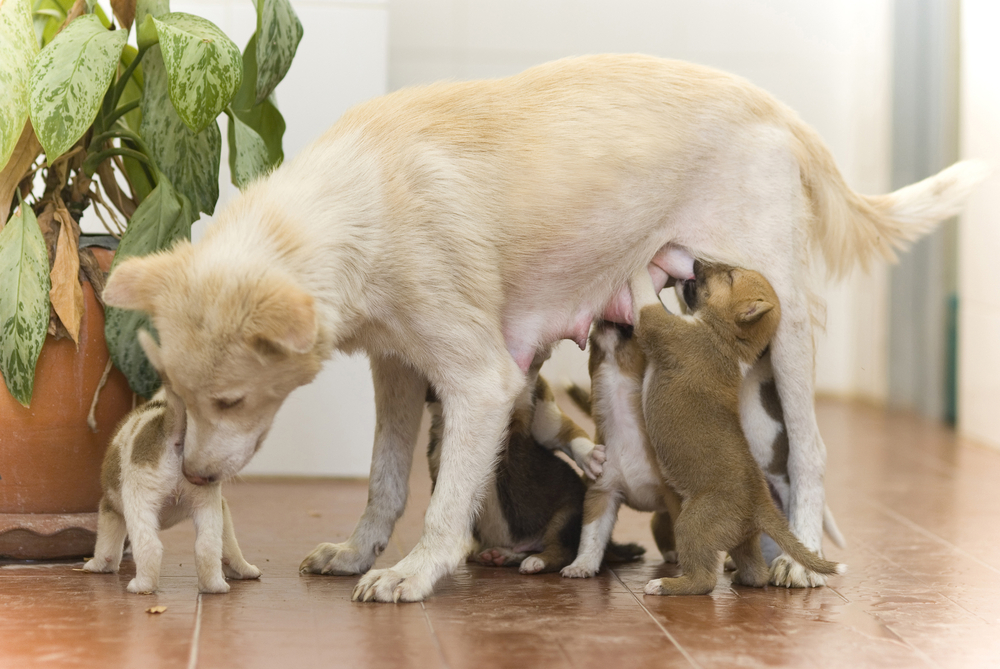
Mothers bred too early may show unusual behavior. They can be anxious or aggressive. Stress from pregnancy affects their ability to bond. This weakens the connection with their puppies. Poor bonding can lead to social and emotional problems in puppies. Mothers might also neglect or reject their litter. This harms the puppies’ chances to thrive.
Credit: www.ovrs.com
Risks Of Late Breeding
Breeding a dog at an older age can cause serious problems. The risks rise as dogs get older. These risks affect the health of the mother and her puppies. Understanding these dangers helps in making safer choices for breeding.
Decreased Fertility
Older dogs often have lower chances of getting pregnant. Their bodies may not produce enough healthy eggs. This lowers the chance of a successful pregnancy. Breeders may face more failed attempts with older dogs.
Increased Pregnancy Complications
Pregnancy in older dogs can lead to many complications. These include difficult labor and stillbirths. The mother may have trouble delivering puppies naturally. Veterinary care becomes more important to manage these risks.
Age-related Health Issues
Older dogs may suffer from health problems like arthritis or heart disease. These issues can worsen during pregnancy. Stress on their bodies increases the chance of illness. Monitoring health closely is crucial for older breeding dogs.
Male Dog Breeding Age
Male dogs play a key role in breeding. Knowing the right age for males is important. It helps ensure healthy puppies and good breeding outcomes. Male dogs do not have the same breeding age as females. Their fertility lasts longer but starts later. Understanding when males reach sexual maturity and their fertility span is useful for breeders.
When Males Reach Sexual Maturity
Male dogs usually reach sexual maturity between six and twelve months. Large breeds may take longer, sometimes up to 18 months. At this age, males can produce sperm and mate. But early breeding is not always best. Young males may lack strength and experience. Waiting until they are fully grown improves breeding success.
Fertility Span In Male Dogs
Male dogs remain fertile much longer than females. They can breed well into their senior years, sometimes up to 7 or 8 years old. Fertility gradually decreases with age. Sperm quality and quantity drop after 5 years in many dogs. Regular health checks help track fertility. Avoid breeding very old males to reduce risks.
Breeding Best Practices For Males
Choose males that are at least one year old for breeding. Ensure they have good health and no genetic issues. Provide a balanced diet and regular exercise to keep them fit. Avoid overbreeding to prevent stress and health problems. Keep breeding records to monitor performance and offspring quality. Responsible care leads to better puppies and healthier dogs.
Preparing A Dog For Pregnancy
Preparing a dog for pregnancy is important for her health and the puppies’ well-being. Careful preparation helps ensure a safe pregnancy and strong, healthy puppies. Start planning early to give your dog the best care possible.
Nutrition And Diet
Good nutrition supports your dog’s body before and during pregnancy. Feed high-quality food with balanced nutrients. Increase protein and calcium for healthy puppy growth. Avoid sudden diet changes to prevent stomach upset. Fresh water should always be available.
Exercise And Weight Management
Regular exercise keeps your dog fit and ready for pregnancy. Maintain a healthy weight to reduce risks during pregnancy. Avoid over-exercising or very intense activities. Gentle walks and playtime help keep muscles strong. Healthy weight supports easier labor and recovery.
Pre-breeding Health Checks
Visit the vet for a full health check before breeding. Screen for common diseases and parasites. Check vaccinations and update if needed. Discuss your dog’s reproductive health and any concerns. A vet can help plan safe breeding and pregnancy care.
Signs A Dog Is Ready To Breed
Knowing when a dog is ready to breed is important for healthy puppies. Signs show that a dog is mature and can handle pregnancy. Watch your dog closely for changes in behavior and body. These hints help decide the best time for breeding.
Behavioral Changes
Your dog may act different during breeding time. She might become more restless or nervous. Some dogs seek more attention from their owners. Others might try to escape the yard. These changes mean she is ready to mate.
Physical Indicators
Look for swelling in the dog’s vulva. This shows her body is preparing for breeding. A clear or slightly bloody discharge is normal. Her nipples might also get bigger and pinker. These signs appear before she can have puppies.
Timing The Heat Cycle
A female dog’s heat cycle happens twice a year. The best time to breed is during the second week of heat. This is when she is most fertile. Keep track of her cycle for the right moment. Breeding too early or late can cause problems.

Credit: southmtnpet.com
Ethical Considerations In Breeding Age
Choosing the right age for a dog to have puppies involves more than biology. Ethical concerns guide this decision. Ensuring the dog’s health and well-being is key. Breeders must think beyond just the breeding process. They should focus on the dog’s life quality before, during, and after pregnancy.
Ethical considerations protect dogs from harm and suffering. They help maintain healthy, happy pets and puppies. This section explores responsible breeding, welfare impact, and laws on breeding age.
Responsible Breeding Practices
Responsible breeders wait until the dog is physically mature. Most experts say at least two years old. This ensures the dog is strong enough for pregnancy. They avoid breeding dogs too young or too old. Good breeders also check the dog’s health and genetics. They want to reduce risks of birth defects or illness. Careful planning leads to healthier puppies and mothers.
Impact On Dog Welfare
Breeding too early can harm the dog’s body. Puppies born from very young mothers may face health issues. The mother dog may suffer from stress or injury. Proper timing helps protect the dog’s mental state. It also lowers chances of complications during birth. Welfare means caring for the dog’s full health, not just puppies.
Legal Regulations
Laws in many places set minimum ages for breeding dogs. These rules aim to protect animal welfare. Breeders must follow these legal limits. Ignoring the law can lead to fines or losing breeding rights. Legal rules support ethical breeding and keep dogs safe. They show society’s commitment to animal care.
Frequently Asked Questions
How Old Should A Dog Be To Have Puppies Safely?
Dogs should be at least 18 to 24 months old before breeding to ensure full maturity.
Can Puppies Be Born If The Dog Is Too Young?
Breeding too early can cause health risks and weak puppies due to the mother’s immaturity.
What Age Is Too Old For A Dog To Have Puppies?
Most dogs should stop breeding after 6 to 7 years to avoid health complications.
How Often Can A Dog Safely Have Puppies?
A dog should have a break of at least one heat cycle between litters for recovery.
Does Dog Breed Affect The Ideal Breeding Age?
Yes, smaller breeds mature faster and can breed slightly younger than large breeds.
What Health Checks Are Needed Before Breeding A Dog?
Veterinary exams ensure the dog is healthy and ready to have safe, healthy puppies.
Conclusion
Choosing the right age for a dog to have puppies is very important. Dogs should be healthy and mature enough. Usually, this means waiting until they are at least one year old. This helps avoid health problems for both the mother and puppies.
Careful planning leads to stronger, happier dogs. Always talk to a vet before making decisions. Healthy moms make healthy puppies. Taking time to prepare shows you care. This makes the whole experience better for everyone involved.
As an Amazon Associate, I earn from qualifying purchases.