Choosing the right dog crate for your Lab is more important than you might think. The perfect crate gives your dog a safe, comfortable space to relax and helps with training.
But how do you know what size crate is just right for your Lab? Too small, and your dog won’t fit comfortably. Too big, and it won’t feel like a cozy den. You’ll discover exactly what size dog crate suits your Lab’s needs, making life easier for both you and your furry friend.
Keep reading to find the crate that your Lab will love!
Credit: magneticpolefit.com
Choosing The Right Crate Size
Picking the correct crate size for your Lab is important for their comfort and safety. A crate that is too small can make your dog feel trapped. A crate that is too large may not provide a cozy space. The right size helps your Lab feel secure and relaxed.
Understanding how to measure your dog and knowing the size guidelines will help you choose well. Giving your Lab enough space to move and rest is key for a happy pet.
Measuring Your Lab
Start by measuring your Lab’s height from the floor to the top of their head. Next, measure the length from the tip of their nose to the base of their tail. These two numbers tell you the minimum crate size needed. Add a few inches to these measurements for extra comfort.
Crate Size Recommendations
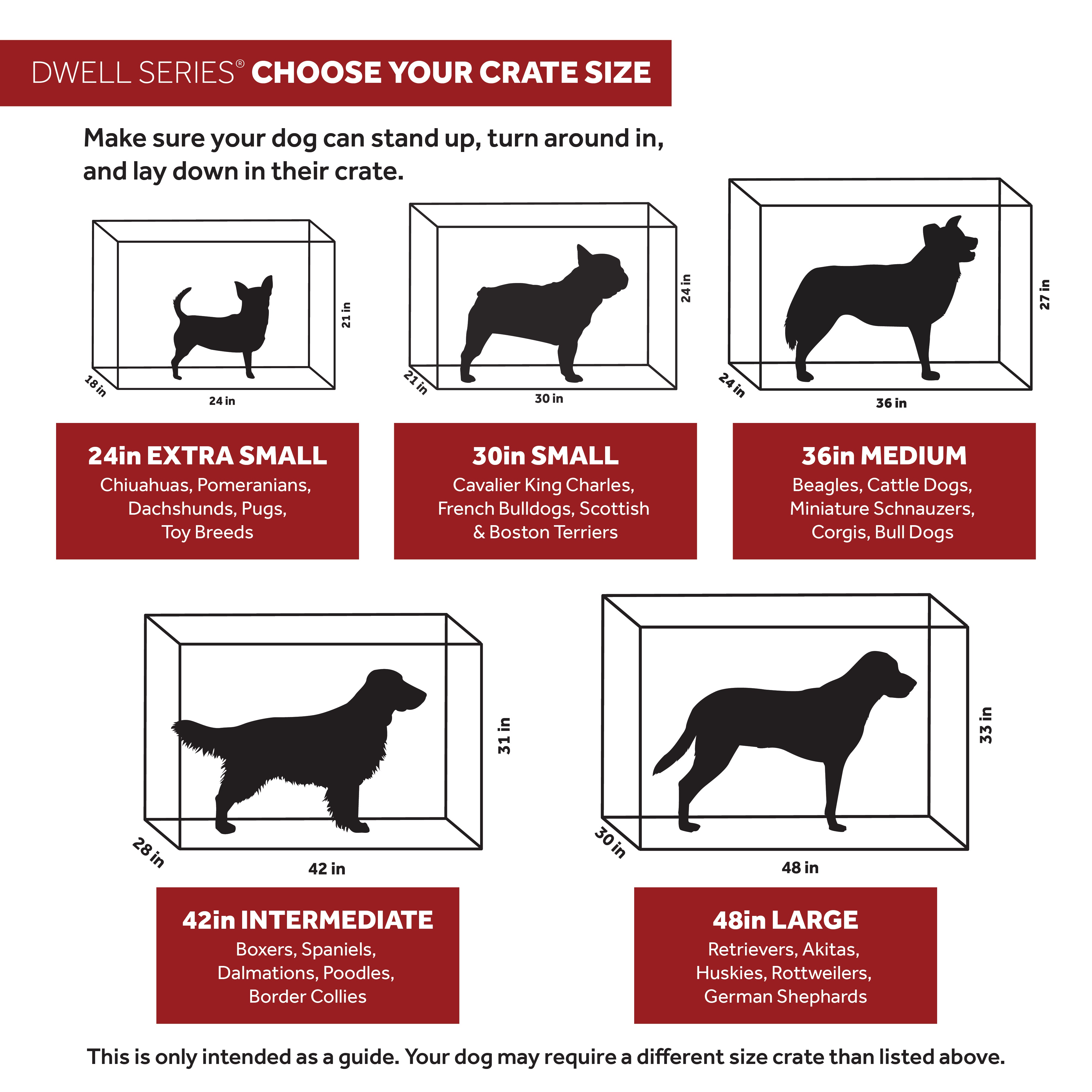
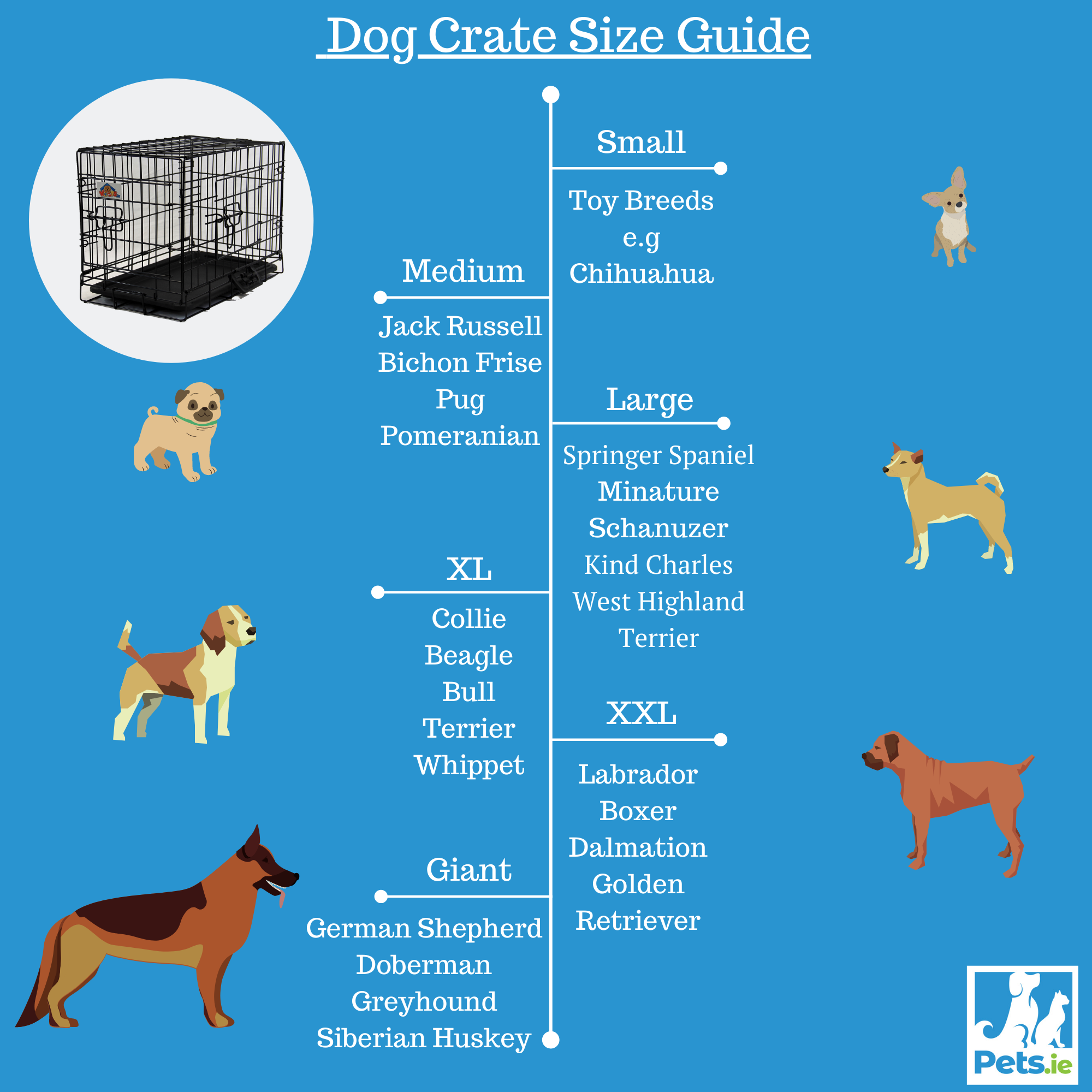
A typical adult Lab needs a crate that is about 42 inches long. The height should be enough for your dog to stand without hitting the top. Width should allow your Lab to turn around easily. Sizes can vary slightly depending on your dog’s build.
Allowing Room For Comfort
Your Lab needs space to lie down and stretch comfortably inside the crate. The crate should not be too big, or your dog may use one corner as a bathroom. A well-sized crate feels like a safe den where your Lab can rest and relax.
Credit: magneticpolefit.com
Types Of Dog Crates
Choosing the right crate for your Labrador is important for their comfort and safety. There are different types of dog crates available. Each type has unique features that suit different needs. Understanding these options helps you pick the best crate size and style for your Lab.
Wire Crates
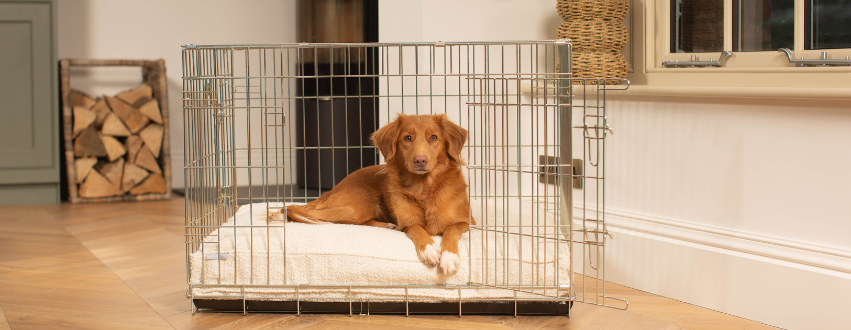
Wire crates are popular for their strong build and good ventilation. They allow your Lab to see outside, which can reduce anxiety. These crates fold flat for easy storage and transport. Many wire crates come with a removable tray for quick cleaning. They offer good airflow and keep your dog cool.
Plastic Crates
Plastic crates provide a cozy and enclosed space. They are often used for travel because they are sturdy and secure. These crates block outside distractions, which can help calm nervous dogs. Plastic crates usually have a handle for easy carrying. They are easy to clean and protect your Lab from the weather.
Soft-sided Crates
Soft-sided crates are lightweight and portable. They work well for calm dogs who do not chew much. These crates are made with fabric and mesh panels for ventilation. Soft-sided crates fold up small, making them great for trips. They offer a comfy space but may not suit very active Labs.
Factors Influencing Crate Size
Choosing the right size crate for your Labrador is important for their comfort and safety. Several factors affect the ideal crate size. These factors help you find a crate that fits your Lab well now and in the future. Understanding these details ensures your dog feels secure and happy inside the crate.
Age And Growth Considerations
Puppy Labs grow fast. Their crate needs change as they get bigger. A crate too small will feel cramped and uncomfortable. Too large a crate might not help with house training. Choose a crate that fits your Lab’s current size but allows some room to grow. Some crates come with dividers to adjust space as your puppy grows.
Behavior And Activity Level
Active Labs may need more space to move and stretch inside the crate. Calm dogs might be fine with a smaller crate. Consider your Lab’s habits. Do they like to lie down fully stretched or curl up? Pick a crate size that suits how your dog rests and relaxes. Enough space helps reduce stress and anxiety.
Travel Vs. Home Use
A crate for travel should be compact and secure. It needs to fit in cars or planes safely. At home, the crate can be larger and more comfortable. Think about where you will use the crate most. This affects the size and style you choose. A travel crate often prioritizes portability, while a home crate focuses on comfort.
Credit: magneticpolefit.com
Adjustable And Expandable Crates
Adjustable and expandable crates offer flexibility for growing Labs. These crates change size to match your dog’s needs. They provide comfort and save money over time. Instead of buying new crates, one crate adapts as your Lab grows. This makes them a smart choice for Lab owners. Plus, they are easy to use and fit well in your home.
Benefits Of Adjustable Crates
Adjustable crates grow with your Lab from puppy to adult. You can change the size by moving panels or dividers. This helps keep your dog safe and comfortable. It stops your Lab from feeling cramped or too loose in the crate. Adjustable crates are also easier to clean and transport. They save space because you only need one crate for all sizes. These crates work well for training and travel too.
When To Upgrade Size
Change the crate size when your Lab grows bigger. Watch your dog’s weight and length carefully. If your Lab can’t stand or turn around easily, it is time to expand. Also adjust the crate if your dog seems restless or uncomfortable. Growing Labs need more room to lie down and stretch. Use the divider to make the space just right. This helps your Lab feel safe and calm inside the crate.
Crate Training Tips
Crate training helps your Lab feel safe and learn good habits. A proper crate size is important, but training matters most. Use gentle, clear steps to introduce the crate. Make it a happy and calm place. Avoid common mistakes that can scare or confuse your dog.
Introducing The Crate
Place the crate in a quiet room. Leave the door open at first. Let your Lab explore on its own. Put treats or toys inside to invite curiosity. Praise your dog when it goes near or inside. Start with short stays and slowly increase time. Never force your dog inside the crate.
Making The Crate Comfortable
Add a soft bed or blanket. Choose materials easy to clean. Include a favorite toy for comfort. Keep the crate in a warm, draft-free spot. Make sure it is big enough to stand, turn, and lie down. Remove collars or tags to avoid getting stuck. Check the crate daily for cleanliness and safety.
Avoiding Common Mistakes
Do not use the crate as punishment. This makes your Lab fear it. Avoid leaving your dog inside for too long. Give breaks for exercise and bathroom needs. Do not feed your Lab only in the crate. This can create anxiety. Be patient and consistent with training sessions. Keep calm and positive at all times.
Maintenance And Safety
Maintaining and ensuring safety in your Lab’s crate is vital for your dog’s health and comfort. A clean and secure crate provides a safe space and prevents health issues. Regular care keeps the crate fresh and your Lab happy.
Cleaning Your Dog Crate
Clean the crate often to stop bad smells and germs. Use mild soap and warm water to wash the crate. Remove all bedding and toys before cleaning. Dry the crate completely before putting things back. Regular cleaning protects your Lab from bacteria and allergies.
Ensuring Proper Ventilation
Your Lab needs fresh air inside the crate. Choose a crate with good airflow and open spaces. Avoid crates that trap heat or feel stuffy. Place the crate in a cool, shaded area. Good ventilation keeps your dog comfortable and healthy.
Avoiding Hazards
Check the crate for sharp edges or broken parts. Remove anything your Lab could chew and swallow. Avoid crates with loose wires or small gaps. Secure the crate door properly to prevent escapes. A safe crate prevents injuries and accidents.
Frequently Asked Questions
What Size Crate Is Best For A Labrador Retriever?
A crate about 42 inches long suits most adult Labradors comfortably.
How To Measure My Lab For The Right Crate?
Measure your dog’s length from nose to tail and height to shoulders.
Can A Small Crate Harm A Labrador’s Comfort?
Yes, small crates restrict movement and can cause stress or injury.
Should A Puppy Lab Use The Same Crate As An Adult?
Use a smaller crate for puppies and upgrade as they grow.
Is A 36-inch Crate Too Small For An Adult Lab?
Yes, 36 inches is usually too small for a full-grown Labrador.
What Crate Features Help A Lab Feel Safe And Cozy?
Look for ventilation, sturdy build, and enough space to stand and turn.
Conclusion
Choosing the right dog crate size helps your Lab feel safe and calm. A crate that fits well gives space to sit, stand, and turn easily. It also supports training and travel comfort. Measure your Lab before buying to ensure the perfect fit.
A good crate keeps your dog happy and secure every day. Remember, size matters for your Lab’s health and well-being. Take time to pick the best crate for a happy, relaxed dog.
As an Amazon Associate, I earn from qualifying purchases.