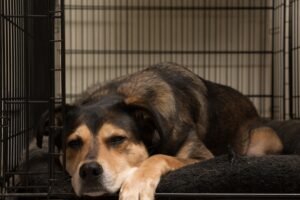
Has your dog ever torn up the wall during a thunderstorm, leaving you frustrated and wondering what to do next? You’re not alone.
Thunderstorms can trigger anxiety in dogs, causing them to act out in ways that damage your home. But don’t worry—there are smart solutions you can install to protect both your walls and your furry friend. You’ll discover practical steps to keep your dog calm and your walls intact, so you never have to face this mess again.
Keep reading to find out what works best for your situation.
Why Dogs Fear Thunderstorms
Many dogs become very scared during thunderstorms. Loud noises and bright flashes upset their senses. This fear can lead to destructive behavior, like tearing up walls. Understanding why dogs fear storms helps to calm them better. Knowing their triggers and reactions is key to helping your pet feel safe.
Common Triggers
Thunderstorms bring loud thunder and flashing lightning. These sounds and lights confuse dogs. The sudden noise can startle them. Some dogs also sense changes in air pressure. This makes them anxious. The smell of rain can add to their worry. These triggers cause fear and stress during storms.
Behavioral Responses
Dogs show fear in many ways. Some hide under furniture or in small spaces. Others pace or shake uncontrollably. Many bark or whine loudly. Some dogs try to escape or hide outside. Destructive actions like chewing or scratching walls happen too. These behaviors show their need for comfort and safety.

Credit: www.amazon.com
Preventing Damage To Walls
Dogs often get scared during thunderstorms. They may scratch or bite walls out of fear. This can cause serious damage to your home’s walls. Preventing this damage is important. You can protect your walls using simple methods. These methods help keep your home safe and your dog calm.
Protective Wall Coverings
Use protective wall coverings to shield your walls. Materials like plastic sheets or vinyl panels work well. They stop scratches and bites from reaching the wall surface. These coverings are easy to clean and replace. They also add a layer of defense during storms. Choose coverings that are safe and non-toxic for pets.
Temporary Barriers
Set up temporary barriers to block your dog’s access to walls. Baby gates or exercise pens can create safe zones. These barriers keep your dog in a smaller, protected area. You can remove them once the storm passes. Barriers reduce stress for your dog and prevent wall damage. They are simple tools for quick protection during bad weather.
Calming Products For Dogs
Dogs often feel scared during thunderstorms. Loud noises and flashes make them anxious. This fear can lead to destructive behavior like tearing up walls. Calming products help reduce this stress. They provide comfort and make dogs feel safer.
Thunder Shirts And Vests
Thunder shirts are tight-fitting clothes for dogs. They apply gentle pressure around the body. This pressure works like a hug. It calms dogs and lowers anxiety. Many dogs feel more secure wearing these shirts. They are easy to put on and remove. Thunder vests work the same way but may have adjustable straps. Both are good for storms and other stressful events.
Calming Sprays And Diffusers
Calming sprays use natural scents to relax dogs. Lavender and chamomile are common calming scents. Sprays can be used on bedding or in the air. Diffusers release calming scents continuously in a room. They create a peaceful environment during storms. These products are safe and non-toxic. They help reduce barking and nervous behavior.
Credit: hellericksfarm.com
Creating A Safe Space
Creating a safe space helps your dog feel calm during storms. It reduces fear and prevents damage to your home. A quiet, cozy spot offers comfort and security. This space should be easy to reach and inviting.
Designated Comfort Zones
Choose a small area for your dog to rest. Use a crate or a soft bed with blankets. Place favorite toys and chew items nearby. Keep this zone away from windows and loud noises. Make sure your dog can enter and exit freely.
Train your dog to use this spot by rewarding calm behavior. Visit this space often, not just during storms. This helps your dog see it as a safe place all the time.
Soundproofing Techniques
Thunder sounds frighten many dogs deeply. Use thick curtains or blankets on windows to block noise. Add rugs or mats to reduce sound from floors. Seal gaps under doors to limit outside sounds. A white noise machine can help mask thunder sounds.
These steps lower loud noises and help your dog stay relaxed. A quieter environment means less stress and less damage to walls.
Behavioral Training Tips
Dealing with a dog that tears up walls during thunderstorms can be tough. Behavioral training helps reduce your dog’s fear and anxiety. It teaches your dog to stay calm and safe during storms. Training takes time and patience but brings lasting benefits. Focus on calming methods and encouraging good behavior.
Desensitization Methods
Desensitization means slowly exposing your dog to storm sounds. Start with low volume recordings of thunder. Play sounds softly and watch your dog’s reaction. Increase the volume gradually over days or weeks. Praise calm behavior and stop if your dog gets scared. This method helps your dog get used to the noise. It lowers fear without causing stress.
Positive Reinforcement
Positive reinforcement rewards calm and quiet behavior during storms. Give treats or gentle praise when your dog stays relaxed. Use a calm voice to comfort your dog. Avoid punishment for fearful actions. Rewarding good behavior teaches your dog what you want. It builds trust and helps your dog feel safe. Consistent rewards improve training results.
When To Consult A Veterinarian
Dogs that damage walls during thunderstorms show serious fear. This behavior is more than just bad manners. It signals stress and anxiety that need attention. Knowing when to consult a veterinarian helps protect your dog’s health and your home.
Seek professional help if your dog’s fear gets worse or does not improve. If your dog shows signs of extreme panic, like constant trembling or hiding, it’s time to act. A vet can provide advice and treatment to ease your dog’s storm anxiety.
Medication Options
Vets may suggest medicines to calm your dog during storms. These drugs help reduce anxiety and panic symptoms. They are safe and effective when used correctly. Some medicines work quickly, while others need time to build up in the body. Always follow your vet’s instructions closely.
Professional Behavior Therapy
Behavior therapy helps dogs learn to cope with storms. A trained expert guides your dog through exercises and training. This therapy changes how your dog reacts to thunder and lightning. It is a long-term solution that improves your dog’s confidence and comfort. Regular sessions make the best results.

Credit: www.celtictrailswalkingholidays.co.uk
Frequently Asked Questions
Why Do Dogs Damage Walls During Thunderstorms?
Dogs feel scared and stressed by thunder noises, leading to destructive behavior like wall chewing.
What Home Installations Reduce Dog Anxiety During Storms?
Installing soundproofing panels and calming lights helps lower dog stress during thunderstorms.
How Can I Protect Walls From Dog Damage?
Use wall guards or durable covers to shield walls from dog scratches and bites.
What Calming Devices Help Dogs During Thunderstorms?
Devices like white noise machines and pheromone diffusers soothe anxious dogs effectively.
Should I Create A Safe Space For My Dog?
Yes, a cozy, quiet area with familiar items helps dogs feel secure during storms.
Can Training Prevent Storm-related Destructive Behavior?
Training with positive reinforcement and gradual noise exposure reduces fear and wall damage.
Conclusion
Dogs can feel scared during storms and act out. Protect your walls with strong, chew-proof materials. Installing calming tools helps your pet stay relaxed. Create a safe space where your dog feels secure. These steps prevent damage and keep your home peaceful.
Small changes make a big difference for your dog’s comfort. Stay patient and consistent with your training and tools. Your dog will feel safer, and your walls will stay intact.
As an Amazon Associate, I earn from qualifying purchases.