If your dog has a collapsed trachea, you know how worrying it can be to see them struggle to breathe. What you feed your dog plays a big role in making their breathing easier and keeping them comfortable.
You might be wondering which foods can help, which ones to avoid, and how to make mealtime safer for your furry friend. This guide will give you clear, simple advice on the best diet choices for dogs with collapsed trachea.
Keep reading to discover how the right food can support your dog’s health and bring you both peace of mind.
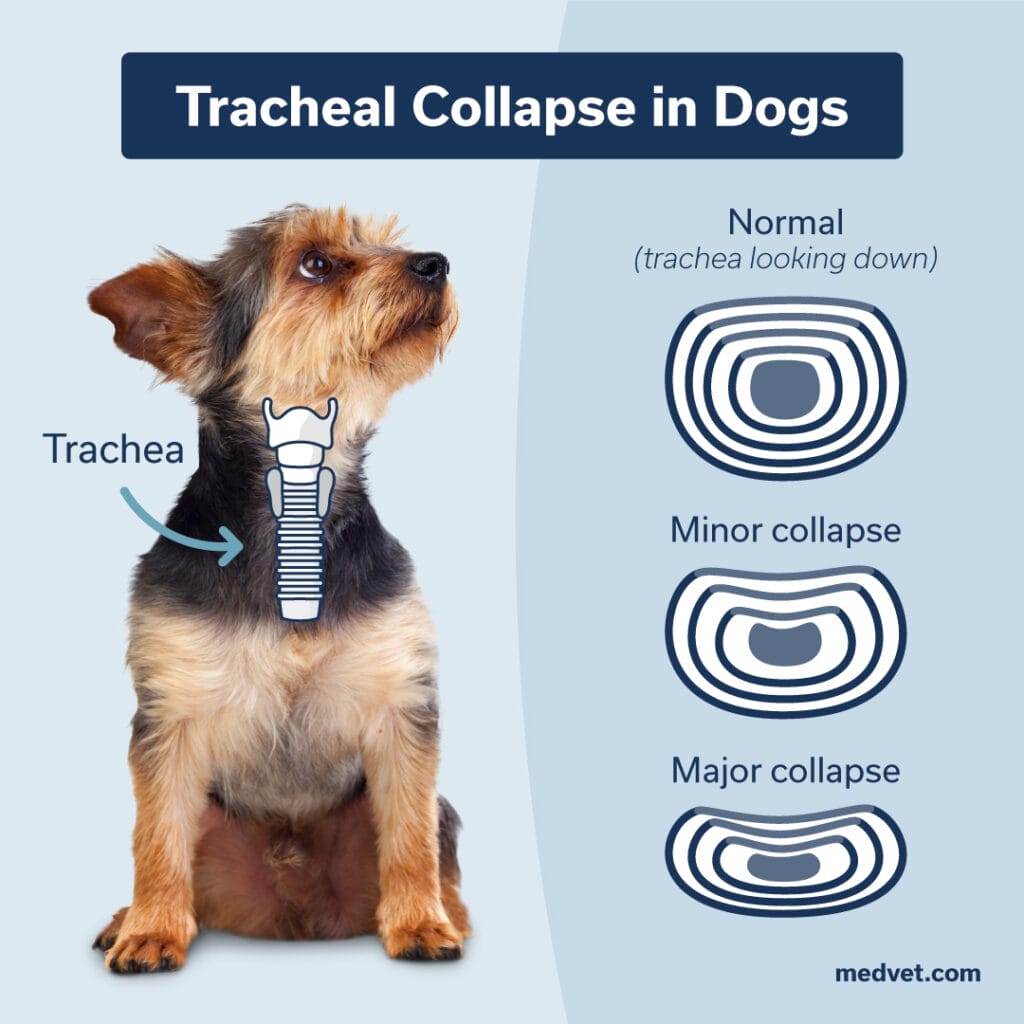
Credit: www.medvet.com
Symptoms Of Collapsed Trachea In Dogs
Collapsed trachea is a common problem in small dog breeds. It happens when the rings of cartilage that hold the windpipe open become weak. This causes the trachea to flatten, making it hard for the dog to breathe. Recognizing symptoms early helps prevent serious issues and keeps your dog comfortable.
Common Signs To Watch For
A dry, honking cough is the most common sign. It often gets worse during excitement or exercise. You might notice your dog struggling to breathe or breathing faster than usual. Some dogs gag or choke, especially when eating or drinking. A noisy breathing sound, called stridor, can also occur. Watch for weakness, lethargy, or bluish gums. These signs mean your dog needs care soon.
When To Consult A Vet
Call the vet if your dog has a persistent cough or trouble breathing. Seek help right away if your dog turns blue or collapses. Sudden breathing problems need emergency care. Early vet visits help manage symptoms and improve your dog’s quality of life. Do not wait for the symptoms to worsen.
Credit: pawprintoxygen.com
Diet’s Role In Managing Collapsed Trachea
Diet plays an important role in managing a dog’s collapsed trachea. The right food can support breathing and overall health. Feeding your dog carefully helps reduce coughing and discomfort. A healthy diet strengthens the body and eases symptoms.
How Nutrition Affects Breathing
Good nutrition helps keep airways clear. Certain foods reduce inflammation around the trachea. Weight control is vital to ease pressure on the throat. Overweight dogs often struggle more with breathing. A balanced diet supports strong muscles and healthy lungs. Proper nutrients help the body repair damaged tissues. Feeding smaller, frequent meals can prevent pressure on the windpipe.
Benefits Of A Healthy Diet
A healthy diet improves energy and reduces coughing fits. It helps maintain an ideal weight for easier breathing. Nutrient-rich food boosts the immune system to fight infections. Healthy fats and antioxidants reduce swelling in airways. Strong muscles support the neck and throat better. Feeding high-quality food ensures your dog gets essential vitamins. It promotes longer and more comfortable breathing.
Ideal Foods For Dogs With Collapsed Trachea
Choosing the right food for dogs with collapsed trachea helps ease breathing and improve comfort. Soft, easy-to-swallow foods reduce throat irritation. Nutritious meals support overall health and energy. Proper diet can also help maintain a healthy weight, reducing pressure on the airway. Here are ideal food options for dogs with this condition.
Soft And Moist Food Options
Soft foods are gentle on a dog’s throat and easier to swallow. Wet canned food or homemade stews work well. Adding warm water or broth to dry kibble can soften it. Avoid hard or dry foods that may cause coughing or choking. Moist food keeps the throat moist and reduces irritation.
High-quality Protein Sources
Protein helps maintain muscle and strength in affected dogs. Choose lean meats like chicken, turkey, or fish. These proteins are easy to digest and less likely to cause allergies. Eggs and low-fat dairy also provide good protein. Avoid processed meats with additives or fillers.
Low-fat Choices
High-fat foods can make breathing harder for dogs with trachea issues. Low-fat diets help reduce inflammation and support heart health. Select foods with healthy fats like omega-3 from fish oil. Avoid fatty meats, fried foods, and rich treats. Keep your dog’s diet light and balanced.
Foods To Avoid For Trachea Health
Choosing the right food for a dog with a collapsed trachea is very important. Some foods can make the condition worse. Avoiding certain types of food helps protect the dog’s airway and reduce coughing. This section explains which foods to avoid for better trachea health.
Irritants And Allergens
Some foods cause irritation in the throat. Spicy or highly seasoned foods can trigger coughing. Common allergens like wheat, soy, or corn may cause inflammation. Avoid foods with artificial colors and preservatives. These can worsen breathing problems in dogs.
Hard Or Dry Foods
Hard kibble or dry treats can scratch the throat. This may lead to more coughing and discomfort. Large, crunchy bones or chews are also risky. Soft, moist food is easier to swallow and gentler on the trachea.
High-fat And Processed Items
High-fat foods make dogs feel heavy and may increase coughing. Processed snacks often contain unhealthy fats and additives. These can cause inflammation and worsen symptoms. Stick to natural, low-fat foods to support better breathing.
Feeding Techniques To Ease Breathing
Feeding a dog with a collapsed trachea needs extra care. Certain feeding techniques can help ease breathing. Proper meal habits reduce coughing and discomfort. These small changes make mealtime safer and calmer for your pet.
Meal Frequency And Portion Size
Feed your dog smaller meals more often. Large meals can press on the trachea and cause coughing. Divide daily food into three or four portions. Smaller portions are easier to swallow and digest. This keeps breathing steady during and after eating.
Elevated Feeding Bowls
Use bowls raised off the ground for feeding. Elevated bowls help keep your dog’s neck straight. This position reduces pressure on the trachea. Choose a height comfortable for your dog’s size. Avoid bowls that cause your dog to bend their neck too much.
Hydration Tips
Keep fresh water available at all times. Drinking water helps keep the throat moist and reduces irritation. Use shallow bowls for easier access. Encourage your dog to drink slowly. Avoid cold water which might trigger coughing in some dogs.
Credit: pawprintoxygen.com
Supplements And Additives
Supplements and additives play a key role in managing a dog with a collapsed trachea. They support the dog’s breathing and reduce irritation in the airways. Choosing the right supplements can help ease coughing and improve comfort. Some natural options work well alongside regular food. These options focus on reducing inflammation and boosting respiratory health.
Natural Anti-inflammatories
Natural anti-inflammatories help calm swollen airways. Ingredients like turmeric contain curcumin, a powerful anti-inflammatory. Adding small amounts to your dog’s diet can soothe irritation. Omega-3 fatty acids from fish oil also reduce inflammation and support lung health. These natural options are gentle and safe for long-term use. They help lessen coughing and improve breathing ease.
Vitamins For Respiratory Health
Certain vitamins support strong and healthy lungs. Vitamin C acts as an antioxidant and helps fight airway damage. Vitamin E protects the lungs from harmful particles. B-complex vitamins improve overall energy and immune function. These vitamins keep the respiratory system working well. Including them in your dog’s diet helps maintain better breathing function.
Lifestyle Changes To Support Recovery
Dogs with a collapsed trachea need special care beyond diet. Small lifestyle changes can help reduce stress on the trachea. These changes support breathing and overall recovery. Simple steps at home improve your dog’s comfort and health.
Weight Management
Keeping your dog at a healthy weight is very important. Extra weight puts pressure on the windpipe. This can worsen breathing problems. Feed your dog a balanced diet with proper portions. Avoid giving too many treats or table scraps. Regularly check your dog’s weight and adjust food amounts. A lean dog breathes easier and feels better.
Exercise And Activity Adjustments
Exercise helps your dog stay healthy but needs to be gentle. Avoid intense or long activities that cause heavy breathing. Short, calm walks are best for dogs with this condition. Watch for signs of coughing or difficulty breathing. Give your dog plenty of rest during and after activity. Keep excitement low to avoid sudden coughing fits. A calm routine keeps your dog safe and comfortable.
When To Seek Professional Advice
Knowing when to seek professional advice is crucial for dogs with collapsed trachea. Proper feeding can help, but some signs need a vet’s attention. Early care prevents serious problems and keeps your dog comfortable. Watch your dog closely and act fast if anything seems wrong.
Monitoring Progress
Keep track of your dog’s eating habits and breathing. Note any coughing or gagging during meals. Observe if your dog seems tired or restless after eating. Record these changes daily. This helps you see if your dog improves or worsens over time. Share this information with your vet for better care.
Signs Of Complications
Look for persistent coughing or choking while eating. Trouble breathing or noisy breathing is a warning sign. Your dog may lose weight or refuse food. Blue or pale gums show low oxygen levels. Excessive drooling or vomiting needs urgent attention. Call your vet immediately if you notice these signs.
Frequently Asked Questions
What Foods Are Best For Dogs With Collapsed Trachea?
Soft, moist foods are easier to eat and reduce coughing risk in dogs with collapsed trachea.
Can Homemade Meals Help Dogs With Collapsed Trachea?
Yes, homemade meals with lean proteins and cooked veggies support easy swallowing and nutrition.
Should I Avoid Dry Kibble For A Dog With Collapsed Trachea?
Dry kibble can irritate the throat; wet or softened food is better for these dogs.
How Often Should I Feed My Dog With A Collapsed Trachea?
Feed smaller, frequent meals to reduce choking risk and ease breathing during eating.
Are Supplements Helpful For Dogs With Collapsed Trachea?
Supplements like omega-3 fatty acids may reduce inflammation and support airway health.
Is Water Intake Important For Dogs With Collapsed Trachea?
Yes, keeping your dog hydrated helps keep the throat moist and reduces coughing.
Conclusion
Feeding a dog with a collapsed trachea needs care and attention. Soft, easy-to-swallow foods reduce coughing and irritation. Small, frequent meals help avoid choking and stress. Avoid dry, hard kibble that may cause discomfort. Always provide fresh water to keep your dog hydrated.
Consult your vet before changing your dog’s diet. Proper nutrition supports breathing and overall health. A gentle diet can improve your dog’s comfort and life quality. Keep watching your dog’s reaction to food for the best results.
As an Amazon Associate, I earn from qualifying purchases.