If you or someone you care about has been bitten by a dog, you’re probably wondering how long it will take to get a settlement. You want answers fast because the pain, medical bills, and stress don’t wait.
Knowing the timeline can help you plan your next steps and reduce your worries. You’ll discover what affects the length of a dog bite settlement and what to expect along the way. Keep reading to get the clarity you need and take control of your situation.
Factors Affecting Settlement Time
Several factors influence how long a dog bite settlement takes. The process varies for each case. Understanding these factors helps set realistic expectations. Below are key elements that affect settlement time.
Severity Of The Injury
Serious injuries often require more time to settle. Medical treatment and recovery must be complete. Insurance companies want full documentation of damages. Minor injuries might settle faster due to lower costs. The extent of harm directly impacts negotiation length.
Liability And Fault
Clear responsibility speeds up the settlement process. If fault is disputed, it can cause delays. Investigations may be needed to prove who is liable. Strong evidence on fault can shorten the timeline. Complex cases take longer to resolve.
Insurance Company Procedures
Each insurer has its own claim handling rules. Some companies process claims quickly. Others have slow or strict procedures. Claim review and approval steps affect how fast money is released. Communication with the insurer also plays a role.
Legal Representation
Experienced lawyers can speed up settlements. They know how to negotiate effectively. Lawyers gather evidence and handle paperwork efficiently. Without legal help, cases may drag on longer. Good representation often leads to faster results.
Typical Timeline For Settlements
Understanding the typical timeline for dog bite settlements helps you know what to expect. Settlements do not happen overnight. Several steps take place before reaching an agreement. Each step has its own timeframe and importance.
Initial Claim Filing
The process starts with filing a claim. You submit details about the dog bite and injuries. This step sets the settlement process in motion. It usually takes a few days to a week. Quick filing helps speed up the entire process.
Investigation Phase
After filing, an investigation begins. Insurance companies collect evidence and review medical records. They may speak with witnesses and experts. This phase can take weeks or months. Thorough investigation builds the foundation for fair settlement talks.
Negotiation Process
Negotiations follow the investigation. Both parties discuss compensation amounts. Offers and counteroffers happen during this time. The length depends on case complexity and willingness to settle. Skilled negotiation can shorten this step significantly.
Settlement Agreement
Once both sides agree on terms, the settlement agreement is drafted. This document outlines payment and conditions. Signing it ends the claim process. Receiving payment may take a few weeks after signing. This final step brings closure to the case.
Steps To Speed Up The Process
Speeding up a dog bite settlement takes effort and careful steps. Each action helps move your case faster. Following the right steps can save time and reduce stress. Start with clear, strong evidence. Stay organized and keep communication open. These efforts make a big difference in your case timeline.
Gathering Medical Records
Collect all medical documents related to your injury. Include doctor visits, treatments, and prescriptions. These records prove the extent of your injury. They also show how much care you need. Early gathering avoids delays later in the process. Keep copies safe and easy to find.
Documenting The Incident
Write down details of the dog bite incident. Note the date, time, and place. Describe how the bite happened and who was involved. Take photos of your injuries and the scene. This proof supports your claim and builds trust. Quick documentation keeps facts fresh in your mind.
Prompt Communication
Respond quickly to calls and letters about your case. Stay in touch with your doctor and lawyer. Answer questions honestly and clearly. Fast replies keep your case moving without hold-ups. Avoid missing messages or deadlines to prevent delays.
Hiring An Experienced Attorney
Choose a lawyer who knows dog bite laws well. An expert guides you through the legal steps. They handle paperwork and talk to insurance companies. A skilled attorney fights for fair compensation. Their help speeds up negotiation and settlement talks.
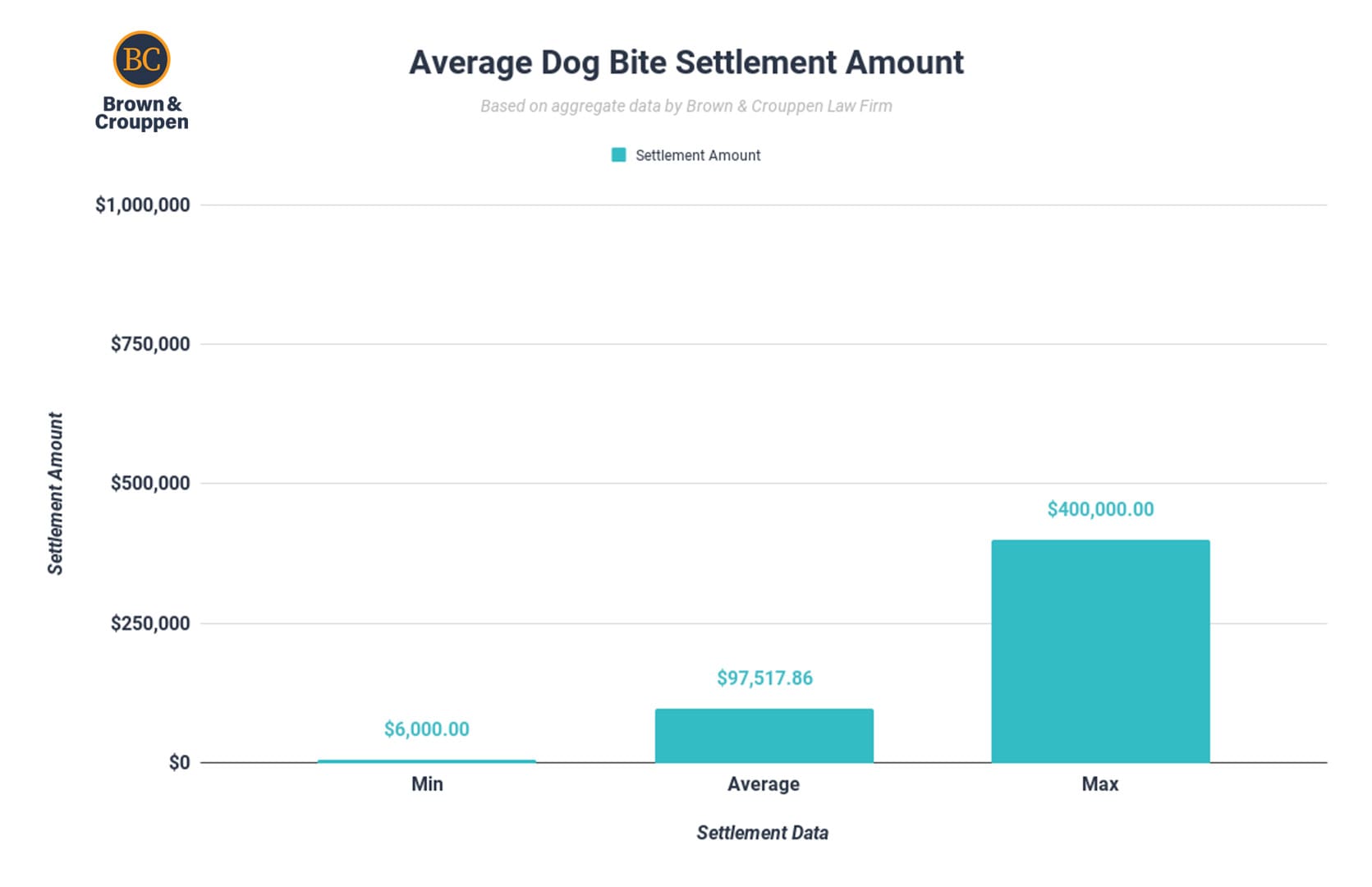
Credit: www.brownandcrouppen.com
Common Delays In Settlements
Dog bite settlements can take longer than expected. Several common delays often slow down the process. Understanding these delays helps set realistic expectations. Knowing the reasons for delays can reduce frustration. Here are some usual causes that affect settlement time.
Disputes Over Liability
Disagreements about who is at fault often cause delays. The dog owner may deny responsibility. Both sides may need evidence to prove fault. Gathering witness statements and police reports takes time. Until liability is clear, settlements cannot move forward.
Insurance Company Tactics
Insurance companies may try to lower payouts. They might request many documents and proofs. Sometimes they delay responses to pressure claimants. Negotiations with insurers can extend the timeline. Patience and persistence are necessary to handle these tactics.
Incomplete Medical Treatment
Settlements depend on the full recovery of the victim. Ongoing medical care means the final injury cost is unknown. Doctors must confirm healing before a fair offer is made. Waiting for all medical records can slow the process. Settlements usually pause until treatment ends.
Legal Complications
Legal issues can arise during the claim process. Complicated laws or multiple parties may be involved. Court schedules and motions may delay resolution. Hiring a lawyer helps navigate these challenges. Legal problems often extend the time for settlement.
When To Consider Litigation
Deciding to take a dog bite case to court can feel overwhelming. Understanding when to consider litigation helps protect your rights. Not every case ends in a fair settlement. Sometimes, legal action becomes necessary to get justice.
Litigation can speed up the process or increase compensation. Knowing the right moment to file a lawsuit is crucial. Here are key points to watch for before going to court.
Failed Negotiations
Negotiations aim to settle the case without court. If the other side refuses fair terms, litigation may be needed. Delays or low offers can signal a breakdown. A judge can then decide what is fair.
Statute Of Limitations
Every state has a time limit for filing dog bite claims. This limit is the statute of limitations. Missing this deadline means losing the right to sue. Act quickly to ensure you meet the deadline.
Potential For Higher Compensation
Courts can award more money than settlements. Litigation can cover medical bills, pain, and suffering. If your injury is serious, court may be better. A judge or jury may grant higher damages.

Credit: www.lawlinq.com

Credit: www.lawlinq.com
Frequently Asked Questions
How Long Does A Dog Bite Settlement Usually Take?
Settlements often take a few months but can vary based on case details and negotiations.
What Factors Affect The Time For Dog Bite Settlements?
Case complexity, medical treatment duration, and insurance response speed all impact timing.
Can A Dog Bite Settlement Take Years To Resolve?
Yes, complex cases or disputes may extend the process to a year or more.
How Soon Should I Start A Dog Bite Settlement Claim?
Start as soon as possible to preserve evidence and meet legal deadlines.
Does Medical Treatment Length Impact Dog Bite Settlement Time?
Yes, settlements often wait until full recovery or maximum medical improvement.
What Delays Dog Bite Settlements The Most?
Disputes over liability, insurance delays, and ongoing medical treatments cause most delays.
Conclusion
Settling a dog bite case takes time and patience. Each case is different, so timelines can vary. Gathering evidence and medical records is important. Negotiating with insurance companies may slow the process. Staying organized helps your claim move smoothly. Remember, quick settlements are rare.
Focus on getting fair compensation, not speed. Consult a lawyer to understand your case better. Stay calm and prepared throughout the process. Your recovery and rights matter most in this journey.
As an Amazon Associate, I earn from qualifying purchases.