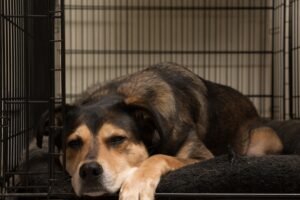
Dealing with an aggressive dog can be frustrating and even scary. You want your furry friend to feel calm and happy around others, but it’s not always easy to know where to start.
What if you could change your dog’s behavior and help them enjoy meeting new people and pets? You’ll discover simple, effective steps to socialise your aggressive dog safely and confidently. Keep reading—you’re about to unlock the secrets that can transform your relationship and bring peace to your home.

Credit: www.gooddoggie.co.uk
Recognizing Aggression Signs
Recognizing aggression signs in dogs is the first step to safe socializing. Understanding these signs helps prevent bites and stress. Aggression can show in small ways before it becomes serious. Watching your dog closely allows you to act quickly and calmly. Awareness of aggression clues improves your dog’s behavior and your confidence.
Body Language Clues
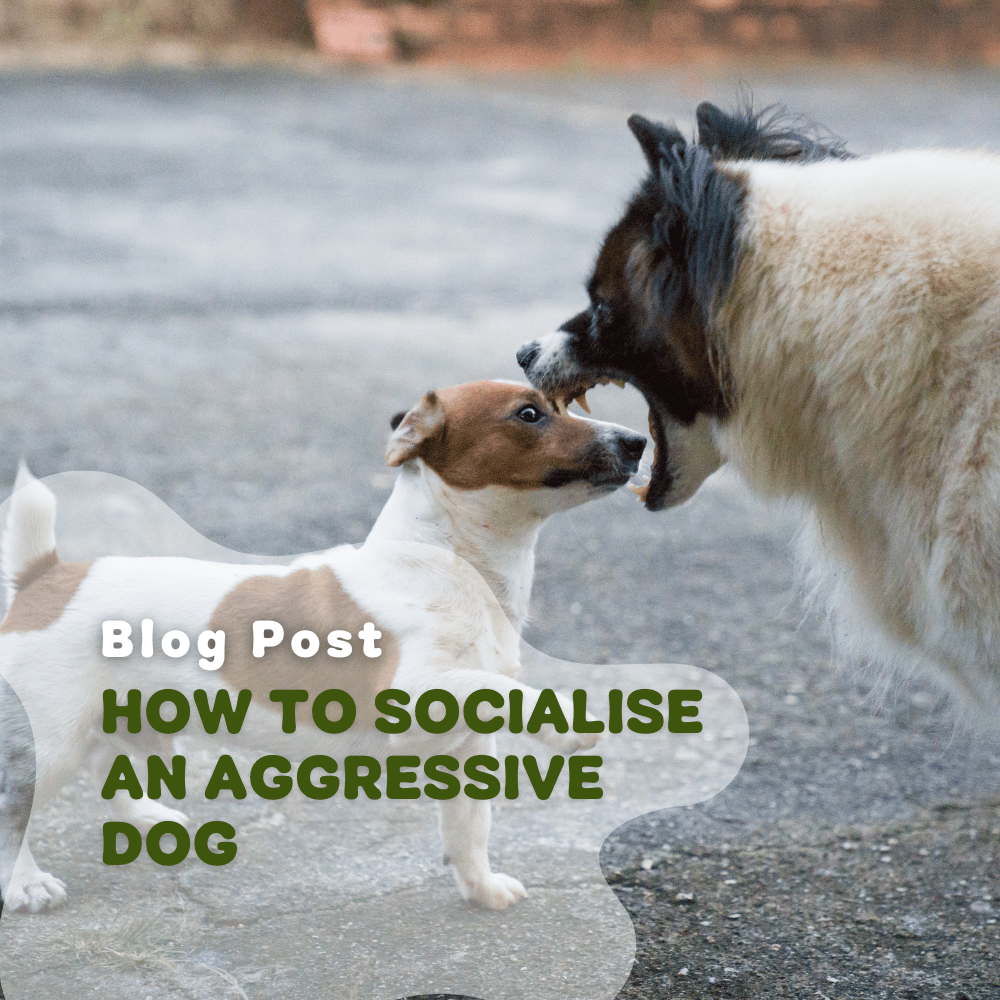
Dogs use body language to express feelings. Watch for stiff bodies and raised hackles. A growl or snarl often means the dog feels threatened. Tail position matters: a low or tucked tail shows fear, while a high, stiff tail shows alertness or aggression. Ears pulled back or flattened indicate discomfort. Avoid direct eye contact, as it can escalate tension. Lip licking and yawning sometimes signal stress, not tiredness.
Common Triggers
Certain situations often trigger aggression in dogs. Sudden loud noises can scare them. New people or animals may cause fear or protectiveness. Food and toys are common triggers for guarding behavior. Pain or illness might increase irritability. Crowded places or confined spaces can make dogs anxious. Recognizing these triggers helps you manage your dog’s environment carefully.
Preparing For Socialisation
Preparing your aggressive dog for socialisation is a crucial step. It helps reduce fear and builds trust. This phase creates a foundation for positive interactions. Patience and care are key during this time. Proper preparation ensures safer and smoother social experiences for your dog.
Creating A Safe Environment
Set up a quiet and calm space for your dog. Remove loud noises and distractions. Use barriers like baby gates to control movement. Keep the area clean and free from hazards. This safe zone helps your dog feel secure. It lowers stress and aggression levels. A calm environment is vital for learning and growth.
Gathering Necessary Tools
Collect items that support training and control. Use a sturdy leash and a comfortable harness. Have treats ready to reward good behavior. Bring toys to redirect attention when needed. Keep a muzzle handy for safety, if required. These tools help manage your dog better. They make socialisation safer and more effective.
Step-by-step Socialisation Process
Socialising an aggressive dog takes time and patience. The process helps your dog feel safe around others. It also teaches calm behaviour in new situations. Follow these clear steps for better results. Each step builds your dog’s confidence.
Starting With Controlled Introductions
Begin in a quiet, familiar place. Keep your dog on a leash. Introduce one calm dog or person at a time. Watch your dog’s body language closely. Stop if your dog shows signs of stress. Praise calm and friendly behaviour. Keep sessions short and positive.
Gradual Exposure To New Stimuli
Slowly add new sights, sounds, and smells. Use safe, controlled settings for exposure. Avoid crowded or noisy places at first. Let your dog explore at its own pace. Repeat exposures often but keep them brief. This reduces fear and builds trust.
Positive Reinforcement Techniques
Reward good behaviour immediately with treats or praise. Use a calm voice to encourage your dog. Ignore unwanted behaviour instead of punishing. Create happy experiences with new people or dogs. Positive rewards motivate your dog to stay calm. Consistency is key to success.

Credit: www.holistapet.com
Managing Setbacks And Challenges
Managing setbacks and challenges is part of socializing an aggressive dog. Progress may be slow and sometimes difficult. Patience and calmness help you handle tough moments. Recognizing issues early can prevent bigger problems later. Stay consistent and keep your dog’s safety as a priority.
Handling Aggressive Episodes
Aggressive episodes may happen during socialization. Stay calm and avoid shouting or punishment. Use a firm but gentle voice to gain control. Remove your dog from the situation quickly. Give your dog space to calm down. Do not force interaction until your dog feels safe.
Adjusting The Approach
Every dog reacts differently to socialization. Watch your dog’s body language closely. If one method causes stress, try another. Slow down the process if needed. Break tasks into smaller steps for easier progress. Use rewards your dog likes to encourage good behavior. Always celebrate small wins to keep motivation high.
Involving Professionals
Dealing with an aggressive dog can be challenging and stressful. Sometimes, professional help is the best way to ensure safety and progress. Experts have the skills to handle aggression safely and teach your dog better social habits.
Choosing the right professional can make a big difference in your dog’s behavior. They offer guidance tailored to your dog’s needs and your situation.
When To Seek Expert Help
Seek help if your dog shows signs of serious aggression. Biting, lunging, or growling at people or other dogs are clear warnings. If your dog’s aggression worsens or does not improve with your efforts, call a professional. Experts also help if you feel unsafe or unsure how to handle your dog.
Types Of Trainers And Therapists
Different experts use different methods. A certified dog trainer focuses on obedience and behavior training. They teach commands and social skills to reduce aggression. A behaviorist studies why your dog acts aggressively. They create plans to change your dog’s feelings and reactions. Some trainers combine both approaches for better results.
Maintaining Progress Long-term
Maintaining progress with an aggressive dog is key to lasting success. Socializing takes time, patience, and steady effort. Consistency helps your dog feel safe and understand expected behavior. Without ongoing care, old habits may return. Stay committed to support your dog’s growth and calmness.
Consistent Practice
Practice social skills every day, even in small steps. Use short sessions to avoid overwhelming your dog. Repeat positive interactions with other dogs and people. Reward calm behavior with treats and praise. Regular practice builds confidence and reduces aggression. Consistency helps your dog remember good behavior.
Monitoring Behavior Changes
Watch your dog closely for signs of stress or aggression. Note any new triggers or changes in reactions. Early detection helps prevent setbacks. Keep a journal to track progress and challenges. Share observations with trainers or vets for advice. Stay alert to keep your dog safe and balanced.
Credit: bubblepawz.com.au
Frequently Asked Questions
What Causes Aggression In Dogs?
Aggression often comes from fear, pain, protection, or lack of social skills.
How Can I Safely Introduce My Aggressive Dog To Others?
Start slow, use a leash, and keep meetings short and calm.
What Role Does Training Play In Socialising An Aggressive Dog?
Training teaches control and good behavior, reducing aggressive reactions over time.
Should I Use Treats Or Toys During Socialisation?
Yes, treats and toys create positive experiences and encourage calm behavior.
How Long Does It Take To Socialise An Aggressive Dog?
Time varies; patience and consistency are key to seeing progress.
When Should I Seek Professional Help For My Dog’s Aggression?
Seek help if aggression is severe, sudden, or hard to manage alone.
Conclusion
Socializing an aggressive dog takes patience and gentle care. Start slow and stay calm during each interaction. Reward good behavior to build trust and confidence. Watch your dog’s signals and respect its limits. Consistency helps your dog feel safe and less stressed.
Over time, your dog will learn to enjoy meeting others. Every small step moves you closer to a happier pet. Keep practicing daily for the best results. Your efforts make a big difference in your dog’s life.
As an Amazon Associate, I earn from qualifying purchases.