Do you ever feel like your dog just doesn’t listen no matter how hard you try? You’re not alone.
Getting your dog to pay attention and follow your commands can be frustrating, but it doesn’t have to be that way. Imagine having a calm, well-behaved dog who listens the first time you call. It’s possible, and you’re about to discover how.
Keep reading to find simple, effective ways to make your dog listen to you—without stress or yelling. Your bond with your furry friend will grow stronger, and your daily life will become easier. Let’s get started!

Credit: www.youtube.com
Basic Commands Every Dog Should Know
Teaching your dog basic commands builds a strong bond. It creates clear rules and helps your dog understand what you want. Simple commands keep your dog safe and well-behaved. Start with easy commands and practice often. Patience and consistency are key to success.
Sit And Stay
The “Sit” command is the first step in training. It helps your dog stay calm and focused. Use a treat to guide your dog into sitting. Say “Sit” clearly and reward your dog immediately. The “Stay” command teaches your dog to remain in place. Start with short times and increase gradually. This command prevents your dog from running off or jumping.
Come When Called
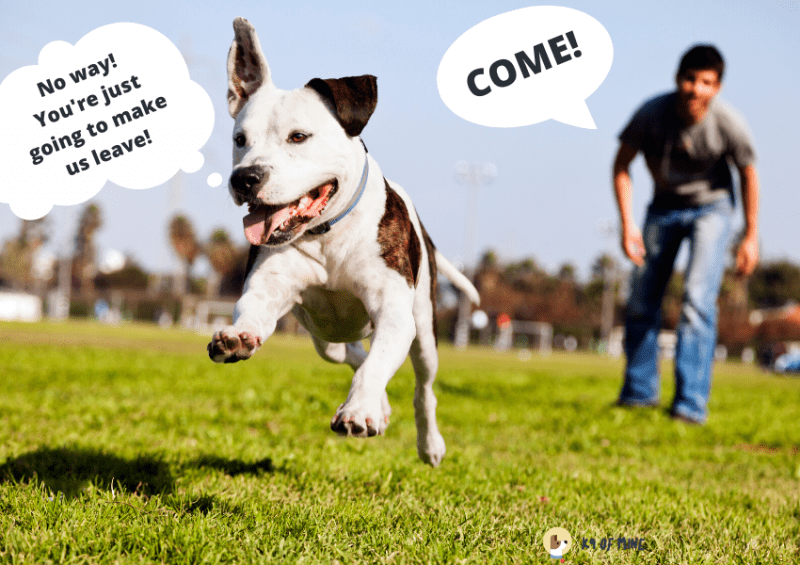
“Come” is a vital command for safety. It stops your dog from running into danger. Use a happy tone and call your dog’s name. Reward your dog with praise or treats when they come. Practice in quiet places first. Make coming to you fun and rewarding every time.
Heel And Walk Properly
Walking nicely on a leash makes outings enjoyable. The “Heel” command keeps your dog close by your side. Use treats to guide your dog to walk beside you. Stop walking if your dog pulls ahead. Reward your dog for walking calmly. Regular practice helps your dog learn good leash manners.
Building Trust And Respect
Building trust and respect forms the base for your dog to listen well. Dogs respond best to clear and kind guidance. Trust grows when your dog feels safe and understood. Respect builds when your dog knows what to expect. Together, they create a strong bond that makes training easier.
Focus on simple steps every day. Small actions add up to big results. Your dog learns to follow your lead without fear or confusion.
Consistency In Training
Use the same commands and rules all the time. Dogs learn faster when they see no mixed signals. Set a routine for training sessions. Keep sessions short but frequent. This helps your dog remember what you want. Stay patient and repeat commands calmly. Consistency makes your dog trust your guidance.
Positive Reinforcement
Praise your dog for good behavior. Use treats, petting, or kind words as rewards. This teaches your dog to repeat good actions. Avoid scolding or harsh tones. Positive moments build your dog’s desire to listen. Make training a happy time for both of you. Rewards show your dog that listening is worth it.
Avoiding Punishments
Never use fear or pain to get your dog’s attention. Punishments can cause your dog to shut down or act scared. This breaks trust and slows learning. Focus on guiding your dog gently back on track. Use redirection or ignore unwanted behavior instead. A calm approach keeps your dog confident and willing to learn.
Effective Training Techniques
Training your dog takes patience and clear methods. Using effective techniques helps your dog understand what you want. These methods build trust and make learning easier for your pet. Consistency is key in every training session. Small, regular efforts lead to better behavior over time.
Clicker Training
Clicker training uses a small device that makes a clicking sound. The click tells your dog they did the right thing. After the click, give a treat or praise. This helps your dog connect the sound with good behavior. Clicker training is clear and quick for dogs to learn.
Leash Training
Leash training teaches your dog to walk calmly beside you. Start in a quiet place with few distractions. Keep the leash loose to avoid pulling. Stop walking if your dog pulls. Reward your dog when they walk nicely. This shows them the right way to walk.
Using Treats And Rewards
Treats and rewards motivate your dog to listen and learn. Give small, tasty treats right after good behavior. Praise your dog with kind words and petting too. Rewards help your dog know what you like. Use treats wisely to keep your dog eager to obey.
Credit: www.k9ofmine.com
Managing Distractions
Managing distractions is key to getting your dog to listen. Dogs notice everything around them. Sounds, smells, and movements can pull their attention away. Training in a quiet room is easy. The real challenge is teaching your dog to focus outside. Patience and practice help your dog learn to ignore distractions. Start small and build up to busy places. This way, your dog learns to listen no matter what happens nearby.
Training In Different Environments
Change your training spots often. Practice indoors, then move outside. Try a quiet park first. Then try busier places. Each new place has new distractions. Your dog learns to listen despite these. This builds strong habits. Your dog won’t rely on quiet settings only.
Gradual Exposure To Stimuli
Introduce distractions slowly. Begin with soft sounds or low activity. Reward your dog for paying attention. Increase the distraction bit by bit. This could be people walking or cars passing. Your dog learns to stay focused. Over time, distractions won’t break their attention.
Maintaining Focus
Use treats or toys to keep your dog’s eyes on you. Speak in a calm, clear voice. Short training sessions work best. End on a positive note every time. Practice focus exercises daily. This strengthens your dog’s listening skills. Consistency builds trust and attention.
Addressing Common Behavior Issues
Dogs show behaviors that can be hard to manage. These behaviors may stop your dog from listening well. Fixing common behavior problems helps your dog pay attention to you. It also makes your bond stronger. Understanding why your dog acts this way is the first step.
Barking And Jumping
Barking and jumping often mean your dog wants attention. They may feel excited or scared. Teach your dog to stop by staying calm. Ignore barking and jumping for a short time. Praise your dog when it is quiet and calm. Use a gentle voice to give commands. Consistent training helps your dog learn better manners.
Chewing And Digging
Chewing and digging are natural for dogs but can cause damage. Your dog may feel bored or anxious. Give your dog toys to chew instead of furniture. Create a safe digging spot outside if possible. Spend time playing to reduce boredom. Reward good behavior with treats or praise. This teaches your dog what is okay to chew and dig.
Separation Anxiety
Separation anxiety makes dogs nervous when alone. They may bark, chew, or try to escape. Help your dog feel safe by leaving a piece of your clothing. Practice short separations and slowly increase the time. Use calm words when leaving and coming back. A steady routine lowers anxiety over time. Patience and gentle care are key to success.
Advanced Training Tips
Advanced training helps your dog listen better. It builds on basic commands and strengthens your bond. This stage requires patience and clear techniques. Small changes in training can lead to big results.
Training Sessions Length
Keep training sessions short but frequent. Dogs learn best in 5 to 10 minute bursts. Longer sessions can tire your dog and reduce focus. End sessions on a positive note. This keeps your dog eager for the next training.
Introducing New Commands
Add new commands slowly. Teach one command at a time. Repeat the command clearly and reward your dog immediately. Use simple words your dog recognizes easily. Practice each command until your dog performs it well.
Using Hand Signals
Hand signals help your dog understand commands better. Use clear and consistent gestures with each command. Combine hand signals with verbal commands at first. Gradually, your dog will respond to signals alone. This technique is useful in noisy places or from a distance.
Tools And Resources For Training
Training a dog requires more than patience. The right tools and resources help you teach your dog better. These aids make training clearer and faster. They guide both you and your dog through learning steps.
Choosing proper equipment, finding expert help, and using good learning materials matter most. Each plays a part in making your dog listen and obey. Let’s explore these important resources.
Training Equipment
Basic tools support clear communication with your dog. A leash helps control your dog during outdoor training. Collars or harnesses ensure safety and comfort. Clickers give a sharp sound to mark good behavior. Treat bags keep rewards handy and motivate your dog. These items improve training sessions and keep your dog focused.
Professional Trainers
Experts offer guidance tailored to your dog’s needs. Trainers spot mistakes and fix them quickly. They teach you techniques to use at home. Group classes help dogs learn social skills. Private sessions provide focused attention. Hiring a trainer saves time and reduces frustration during training.
Online Tutorials And Books
Many free and paid resources exist online. Videos show step-by-step training methods. Books explain dog behavior and easy training plans. These materials let you learn at your own pace. They provide tips for common problems. Using these resources adds knowledge and confidence to your training journey.

Credit: www.dogingtonpost.com
Frequently Asked Questions
How Can I Get My Dog To Listen Better?
Use clear commands and reward good behavior with treats or praise.
Why Does My Dog Ignore My Commands Sometimes?
Dogs may be distracted, tired, or not fully trained yet.
How Long Does It Take To Train A Dog To Listen?
Training varies but usually takes several weeks of daily practice.
What Is The Best Way To Teach My Dog To Obey?
Consistency, patience, and positive reinforcement work best for teaching obedience.
Can I Train My Dog To Listen Without Treats?
Yes, praise and affection can motivate dogs to follow commands too.
How Often Should I Train My Dog To Improve Listening?
Short daily sessions, about 10-15 minutes, help dogs learn faster.
Conclusion
Teaching your dog to listen takes time and patience. Consistent training helps build trust and good habits. Use clear commands and reward your dog often. Stay calm and avoid yelling or punishment. Small steps each day lead to big progress.
Enjoy the process and celebrate your dog’s success. Good communication makes your bond stronger and happier. Keep practicing, and your dog will learn to listen well.
As an Amazon Associate, I earn from qualifying purchases.