Have you noticed your dog acting differently lately? Maybe they’re pawing at their mouth, drooling more than usual, or avoiding their favorite treats.
These could be signs that your furry friend is suffering from a toothache. Just like you, your dog can experience dental pain, but they can’t tell you what’s wrong. If you want to keep your pet happy and healthy, it’s important to know how to spot the signs of a toothache early.
You’ll learn exactly what to watch for and what steps to take to help your dog feel better fast. Keep reading to protect your dog’s smile and comfort.
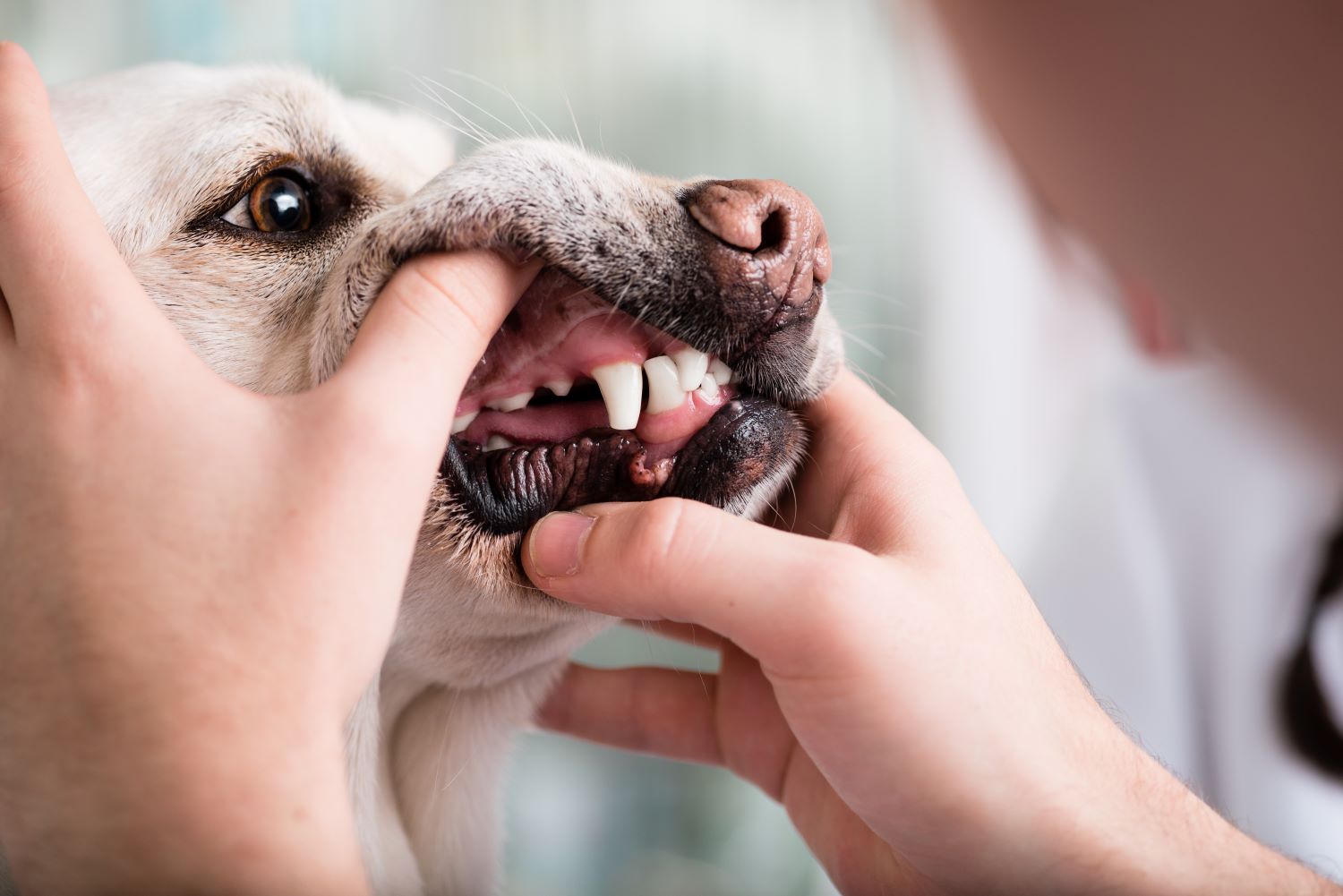
Credit: petfolk.com
Common Signs Of Toothache In Dogs
Dogs cannot tell us when they feel pain. Toothaches in dogs often go unnoticed until the problem worsens. Recognizing common signs helps catch dental issues early. Watch closely for subtle changes in behavior and appearance. These signs point to discomfort in your dog’s mouth.
Changes In Eating Habits
Your dog may eat less or stop eating favorite foods. Chewing only on one side of the mouth is common. Some dogs drop food while eating. Avoiding hard treats or toys also signals pain. These changes show your dog struggles with biting or chewing.
Excessive Drooling
More drool than usual can indicate mouth pain. Drooling increases as the toothache worsens. Look for thick or foul-smelling saliva. Excess drooling happens because your dog tries to soothe the pain. It is a clear sign to check your dog’s teeth.
Pawing At The Mouth
Your dog may paw or rub the face often. This behavior shows irritation or discomfort in the mouth. Scratching or rubbing the jaw or cheeks is common. This action is a sign your dog tries to ease tooth pain.
Bad Breath
Foul breath often means dental issues. Bacteria buildup causes the bad smell. A persistent bad odor from the mouth signals tooth decay or infection. Check your dog’s breath regularly for unusual smells.
Swelling Around The Mouth
Swelling near the jaw or gums shows infection or abscess. The swollen area may look red or feel warm. Swelling can cause discomfort and difficulty opening the mouth. This sign needs quick attention from a vet.

Credit: www.toe-beans.com
Behavioral Changes To Watch For
Dogs cannot tell us when their teeth hurt. We must watch their behavior closely. Changes in behavior often signal pain or discomfort. Noticing these changes early helps your dog get quick care. Here are key behaviors that may show your dog has a toothache.
Irritability And Aggression
A dog with a toothache may act irritable. Small touches near the mouth can cause snapping or growling. Your usually calm dog might seem more aggressive. This behavior shows they are protecting a painful area. Watch for sudden mood shifts around feeding or petting times.
Reluctance To Play
Play is a sign of a happy dog. A dog with tooth pain may stop playing. Chewing toys or fetching balls might become less interesting. They may avoid activities that use their mouth. Notice if your dog turns away from favorite games or toys.
Sleeping More Than Usual
Tooth pain can make dogs tired. They might sleep longer or more deeply than normal. This extra rest is their body’s way to heal. If your dog seems unusually quiet or less active, take note. Longer naps and less energy may mean dental pain.
Physical Symptoms Indicating Pain
Physical signs often reveal when a dog has a toothache. Pain in a dog’s mouth can cause clear changes in appearance. Watch for visible problems in the teeth and gums. These signs help you understand your dog’s discomfort. Early detection can prevent more serious issues later.
Visible Broken Or Loose Teeth
Broken or loose teeth are easy to spot. They may look jagged or out of place. Your dog might avoid chewing on one side. These teeth can hurt a lot. They need quick attention from a vet.
Red Or Bleeding Gums
Healthy gums are pink and firm. Red or bleeding gums show irritation or infection. Your dog may drool more than usual. Blood spots in saliva or on toys are warning signs. These symptoms point to gum disease or injury.
Facial Swelling
Swelling on one side of the face means pain inside the mouth. It may appear near the jaw or under the eye. This swelling can be tender to touch. It signals an abscess or severe infection. Immediate vet care is important to ease the pain.
How To Perform A Basic Oral Check
Performing a basic oral check on your dog helps spot toothache signs early. Regular checks keep your dog’s mouth healthy and pain-free. It also prevents serious dental problems. This guide shows simple steps to examine your dog’s mouth safely.
Preparing Your Dog For Inspection
Choose a quiet place with good light. Sit calmly and speak softly to your dog. Let your dog sniff your hands first. Gently touch the dog’s mouth area to build trust. Use treats to keep your dog calm. Do not force the mouth open suddenly.
What To Look For Inside The Mouth
Check the gums for redness or swelling. Look for broken or loose teeth. Notice any bad smell from the mouth. Watch for dark or brown spots on teeth. See if there is pus or bleeding. Pay attention to your dog’s reaction to touch.
When To Stop And Seek Help
Stop if your dog shows pain or stress. Do not push if your dog resists strongly. If you see broken teeth or heavy bleeding, call a vet. Seek help for swollen gums or bad breath. Early vet visits prevent more pain and problems.
When To Visit The Veterinarian
Knowing when to visit the veterinarian is key if your dog has a toothache. Some signs need quick action to avoid serious problems. Regular check-ups help catch issues early. Treatment depends on the cause and severity of the pain.
Urgent Signs Needing Immediate Care
Watch for swelling around the mouth or face. Excessive drooling or bleeding from the mouth is serious. If your dog stops eating or cries out in pain, act fast. Loose or broken teeth need urgent attention. Bad breath with a strong smell can signal infection.
Routine Dental Check-ups
Take your dog to the vet for regular dental exams. These visits help find problems before pain starts. The vet cleans teeth and checks for signs of decay. Routine care keeps your dog’s mouth healthy and pain-free. Ask your vet how often to schedule these check-ups.
Treatment Options For Toothaches
The vet may clean the teeth deeply to remove plaque. Antibiotics can fight infections causing pain. In some cases, a tooth extraction is needed. Pain relief medicine helps your dog feel better. Follow the vet’s advice to ensure full recovery.
Preventing Dental Problems In Dogs
Dental problems cause pain and health issues in dogs. Preventing these problems helps your dog stay happy. Good dental care keeps teeth strong and gums healthy. It also stops bad breath and tooth loss. A few simple steps protect your dog’s mouth every day.
Daily Dental Hygiene Tips
Brush your dog’s teeth daily using a soft brush. Use toothpaste made just for dogs. Avoid human toothpaste, as it can harm pets. Start slow to help your dog get used to brushing. Clean all teeth gently, especially near the gums. Regular brushing removes plaque and stops tartar build-up.
Choosing The Right Chew Toys
Select chew toys made for dental health. Hard toys can break teeth, so choose safe options. Toys with ridges help clean teeth and massage gums. Chewing reduces plaque and keeps jaws strong. Replace old or broken toys to avoid injury. Watch your dog while chewing for safety.
Diet And Dental Health
Feed your dog a balanced diet to support teeth health. Dry kibble helps clean teeth better than soft food. Some dog foods are made to reduce plaque. Avoid giving sugary treats that harm teeth. Fresh water helps rinse the mouth after eating. Healthy eating supports strong teeth and fresh breath.
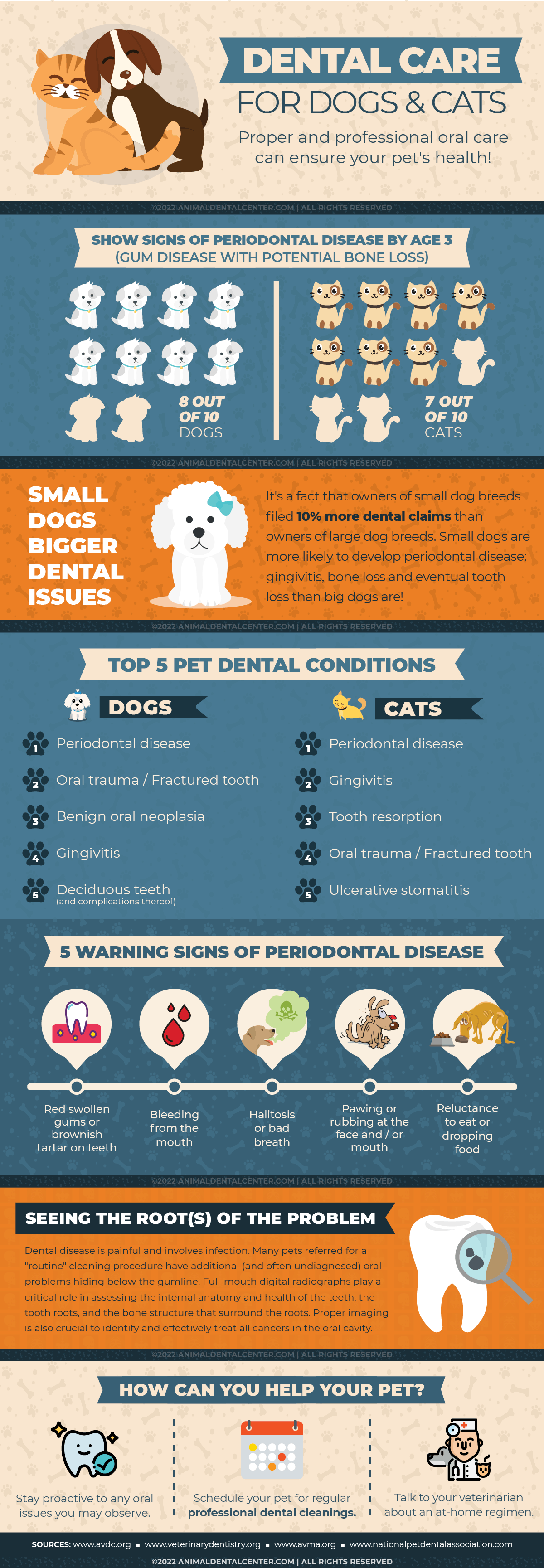
Credit: www.animaldentalcenter.com
Frequently Asked Questions
How Can I Tell If My Dog Has A Toothache?
Look for signs like bad breath, drooling, pawing at the mouth, and difficulty eating.
What Are Common Signs Of Dental Pain In Dogs?
Watch for swollen gums, bleeding, loose teeth, and changes in chewing habits.
Does My Dog’s Bad Breath Mean A Toothache?
Yes, bad breath often signals dental issues and possible tooth pain in dogs.
Can A Dog’s Behavior Show Tooth Pain?
Yes, dogs may become irritable, less active, or avoid playing due to pain.
How Does Toothache Affect My Dog’s Eating?
Dogs with tooth pain may chew on one side or refuse hard food.
When Should I Visit A Vet For My Dog’s Toothache?
Visit the vet if your dog shows persistent pain, swelling, or stops eating.
Conclusion
Dogs can hide pain well, but signs do show. Watch for changes in eating or chewing habits. Drooling or pawing at the mouth may also appear. Acting restless or sensitive around the face is a clue. Spotting these signs early helps your dog get quick care.
Regular dental checks keep your pet’s mouth healthy. Don’t wait if you think something is wrong. A healthy smile means a happy dog.
As an Amazon Associate, I earn from qualifying purchases.