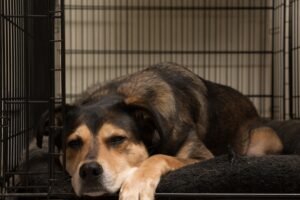
If your dog suddenly starts limping or won’t put weight on a leg, you might worry it has a broken bone. But how can you be sure?
Knowing the signs of a broken leg in your dog is crucial for getting the right care quickly. You’ll learn clear, easy ways to tell if your dog has a broken leg. By spotting the warning signs early, you can help your furry friend avoid pain and start healing faster.
Keep reading to protect your dog and give them the care they need.
Credit: boneocanine.com
Recognizing Limping And Mobility Issues
Recognizing limping and mobility issues in a dog helps identify a possible broken leg. Dogs with leg injuries show clear signs in how they move. Watching their steps closely can reveal important clues about the injury.
Early detection is key to getting the right care. Understanding these signs makes it easier to act fast and protect your dog’s health.
Sudden Onset Of Limping
A dog with a broken leg often starts limping suddenly. There is no slow change or gradual pain. One moment the dog walks fine. The next, it favors one leg and avoids putting weight on it.
This sudden limp is a strong sign of injury. It may happen after a fall or accident. Watch for immediate changes in how your dog moves.
Refusal To Bear Weight
A broken leg usually causes your dog to avoid putting weight on that leg. The dog may hold the leg up or keep it off the ground. This refusal shows pain or discomfort.
If your dog refuses to stand or walk on a leg, it needs help. This behavior is different from a mild limp or soreness. It points to a more serious problem like a break.
Unusual Gait Patterns
Injured dogs often walk strangely. Their steps may look uneven or unsteady. They might hop or drag the injured leg. This unusual gait helps protect the damaged limb.
Notice how your dog moves around the house or yard. Changes in stride or balance suggest injury. Pay attention to these odd walking patterns for early signs of a broken leg.
Spotting Visible Injuries
Spotting visible injuries is the first step in knowing if a dog broke its leg. Injuries often show outside the skin. These signs help you understand the problem quickly. Acting fast can reduce pain and prevent more harm. Watch the leg closely for changes in color, shape, or texture.
Swelling And Bruising
Swelling happens when fluid builds up around the injury. The leg may look bigger or puffy. Bruising shows as dark spots on the skin. This happens when blood leaks under the skin. Both swelling and bruising mean the leg is hurt. They often appear soon after the injury.
Open Wounds Or Bleeding
Open wounds are cuts or breaks in the skin. These wounds can bleed and expose the inside parts. Bleeding may be light or heavy. It needs quick cleaning to avoid infection. Open wounds can show a serious injury under the skin, like a broken bone.
Deformities In The Leg
Deformities mean the leg looks odd or out of place. Bones may stick out or bend strangely. The leg might look shorter or twisted. These signs often mean a fracture or break. Deformities usually cause pain and stop the dog from using the leg.
Observing Behavioral Changes
Observing behavioral changes is key to spotting a broken leg in dogs. Changes in how your dog acts often signal pain or injury. Dogs hide pain well, so subtle signs matter. Watch carefully for shifts in behavior that show distress.
Signs Of Pain And Discomfort
A dog with a broken leg may show clear signs of pain. They might flinch when touched or avoid being handled. Limping or holding the leg up is common. You might notice swelling or unusual posture too. Pain often makes dogs restless or tense.
Increased Whining Or Whimpering
Whining or whimpering can be a sign of injury. Dogs often use sounds to express discomfort. If your dog suddenly becomes more vocal, take note. These noises can increase after movement or when the leg is touched. It shows your dog is hurting and needs help.
Avoiding Movement Or Play
A dog with a broken leg will avoid moving much. Playful behavior drops when pain is present. Your dog may refuse to run, jump, or walk. They might stay in one spot or hide. This lack of activity is a strong warning sign of injury.
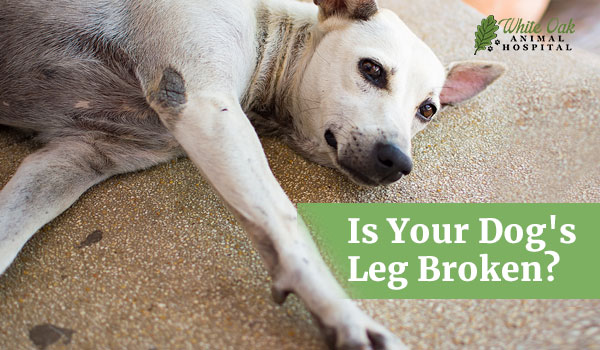
Credit: whiteoakvet.com
Performing A Gentle Physical Check
Performing a gentle physical check helps identify if a dog may have a broken leg. It involves careful touch and observation. This check should be calm and slow to avoid causing pain or stress to the dog. Always approach your pet with care and watch for signs of discomfort.
Feeling For Abnormal Bumps
Run your fingers gently along the leg. Look for lumps or bumps that do not belong. Broken bones can cause swelling or unusual shapes. These bumps may feel hard or tender. Compare both legs to spot any differences easily.
Checking For Heat Or Tenderness
Place your hand softly on the leg’s skin. Warmth can indicate inflammation or injury. Notice if the dog pulls away or shows pain. Tender spots may mean the bone is broken or bruised. Be very gentle to avoid hurting your dog more.
Assessing Joint Stability
Hold the leg near the joints. Try to move the leg slowly and carefully. The joints should feel stable and smooth. Any looseness or unusual movement could signal a fracture. Stop immediately if the dog reacts with pain or fear.
When To Seek Veterinary Care
Knowing when to seek veterinary care is vital if you suspect your dog broke its leg. Quick action can help reduce pain and prevent more damage. Watch for signs like limping, swelling, or inability to put weight on the leg. Do not wait to get professional help. Immediate care can improve your dog’s recovery.
Emergency Situations
Call a vet right away if the leg looks deformed or bent oddly. Severe bleeding or open wounds are emergencies. Your dog may be in shock if it is weak or unresponsive. Keep your dog calm and still. Avoid moving the injured leg too much. These steps can prevent further harm until the vet arrives.
Diagnostic Procedures Used By Vets
Vets use X-rays to see the break clearly. This helps them know the exact location and severity. Sometimes, they perform a physical exam to check pain levels and swelling. Blood tests may be done to rule out other problems. These tools guide vets to the best treatment plan.
Treatment Options For Broken Legs
Treatment depends on the type and place of the break. Some fractures need a splint or cast to heal. Others may require surgery to set the bones properly. Pain medicine helps keep your dog comfortable. Rest and limited movement are essential during recovery. Follow your vet’s advice carefully for the best results.
Credit: boneocanine.com
Frequently Asked Questions
How Can I Tell If My Dog Broke Its Leg?
Look for limping, swelling, pain, difficulty walking, or holding the leg up.
What Are Common Signs Of A Dog’s Broken Leg?
Signs include bleeding, bruising, swelling, unusual leg position, and loud yelps.
Should I Move My Dog If I Suspect A Broken Leg?
Avoid moving your dog too much; keep them still and calm until help arrives.
How Urgent Is A Dog’s Broken Leg Treatment?
Broken legs need quick veterinary care to prevent further damage and pain.
Can A Dog Walk With A Broken Leg?
Dogs usually avoid using a broken leg due to pain and instability.
What Should I Do Before Taking My Dog To The Vet?
Keep your dog calm, restrict movement, and gently support the injured leg.
Conclusion
A broken leg in a dog needs quick attention. Watch for signs like limping, swelling, or pain. Keep your dog calm and avoid moving the injured leg. Taking your dog to the vet fast is very important. Early care helps your dog heal better and feel less pain.
Remember, spotting a broken leg early can save your dog from serious problems. Always trust your instincts and act with care. Your dog depends on you for help and comfort.
As an Amazon Associate, I earn from qualifying purchases.