If your dog’s ear is bleeding, it can be scary and confusing. You want to help your furry friend feel better quickly, but you might not know where to start.
The good news is, with the right steps, you can manage the situation calmly and safely. You’ll learn exactly how to treat a bleeding dog ear, what to watch out for, and when it’s time to see a vet. Keep reading to make sure you’re prepared to act fast and protect your dog’s health.
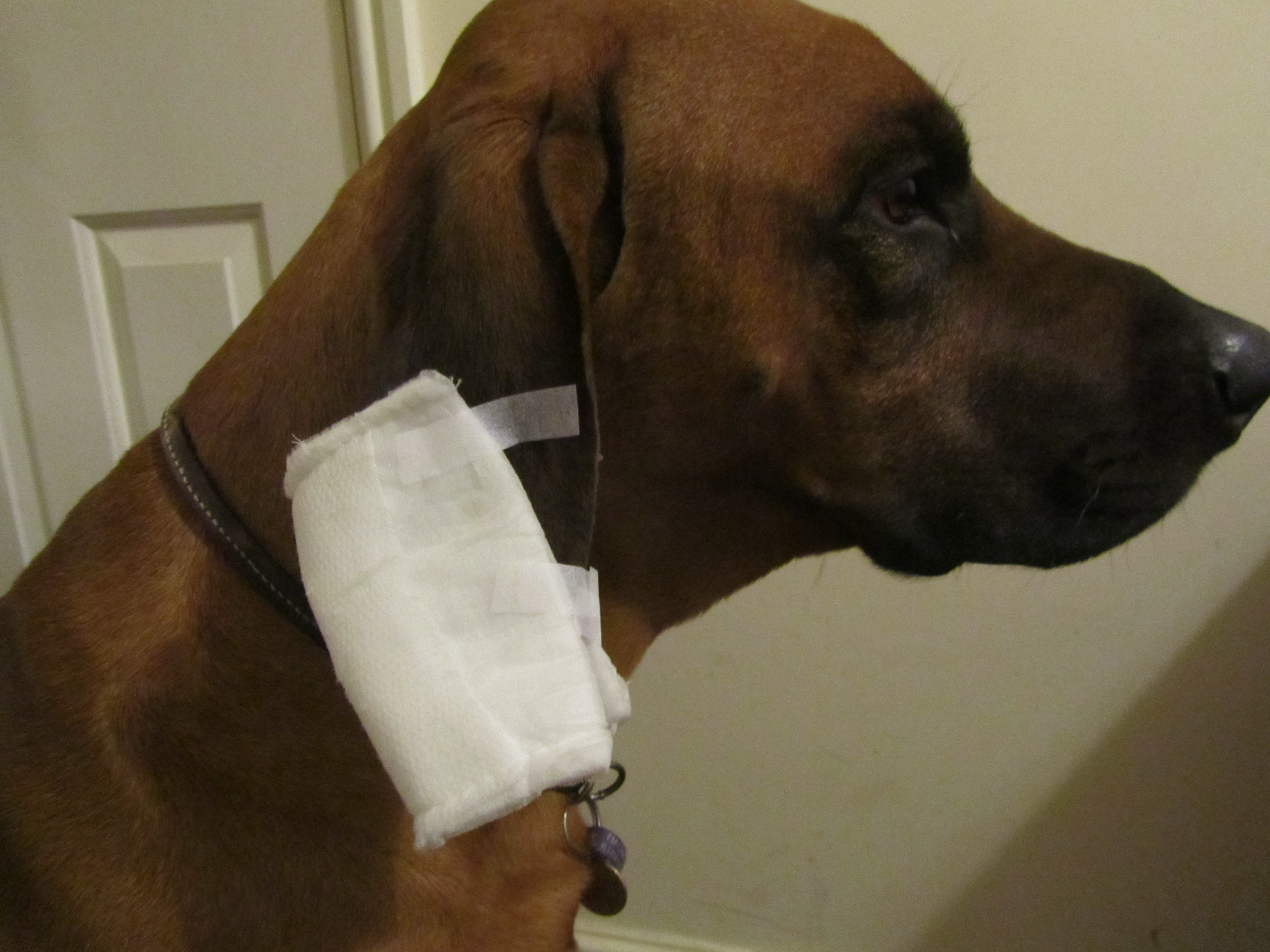
Credit: rhodes2safety.com
Causes Of Ear Bleeding In Dogs
Bleeding from a dog’s ear can worry any pet owner. It signals a problem that needs attention. Understanding the causes helps in treating the issue properly. Ear bleeding may arise from several reasons, each needing different care. Learning these causes can keep your dog safe and healthy.
Injuries And Trauma
Dogs can hurt their ears by scratching or shaking their heads. Rough play or fights with other animals may cause cuts or tears. Sometimes, accidental bumps or hits also lead to bleeding. These injuries break the skin and cause bleeding quickly.
Infections And Parasites
Ear infections are common in dogs and can cause bleeding. Bacteria or yeast may grow inside the ear canal. Parasites like ear mites also irritate the skin. This irritation leads to inflammation and sometimes bleeding.
Allergic Reactions
Allergies can make a dog’s ear very itchy and red. Dogs scratch a lot to ease the itch. The scratching can damage the skin and cause bleeding. Allergies may come from food, pollen, or other sources.
Foreign Objects
Small objects like grass seeds or dirt can enter a dog’s ear. These objects irritate the ear canal and cause pain. Dogs try to remove them by scratching or shaking their heads. This action may cause bleeding if the skin breaks.
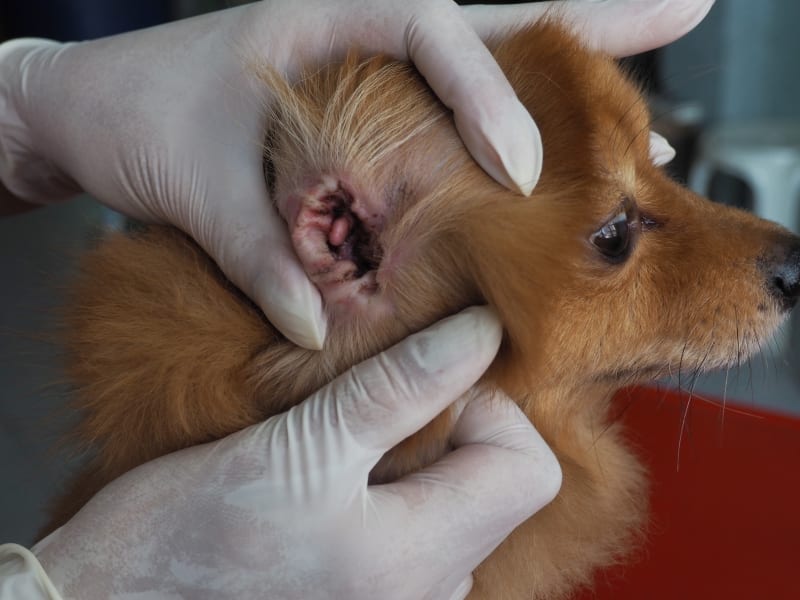
Credit: www.vmsg.com
Signs To Watch For
Knowing the signs of a bleeding dog ear helps catch problems early. Watch your dog closely for changes. Early action can prevent serious issues. Here are the main signs to watch for.
Visible Bleeding
Bleeding from your dog’s ear is a clear warning. It may come from a cut or injury. Sometimes, the bleeding is minor. Other times, it can be heavy and urgent. Always check the source of the blood.
Scratching And Shaking
Dogs often scratch or shake their heads when their ears hurt. Constant scratching can cause wounds. Shaking may spread infection or worsen bleeding. Notice if your dog does this more than usual.
Swelling And Redness
Swelling around the ear shows irritation or infection. The ear may look bigger or puffy. Redness often comes with swelling. These signs mean the ear needs care quickly.
Unusual Odors
A bad smell from the ear is a strong sign of infection. Healthy ears usually have little to no odor. Foul smells often mean bacteria or yeast are present. Pay attention to any new or strong odors.
Immediate First Aid Steps
When your dog’s ear is bleeding, act fast and stay calm. Immediate first aid helps reduce pain and stop the bleeding. Follow these simple steps to care for your dog’s ear safely.
Calming Your Dog
Speak softly to soothe your dog. Hold your dog gently to keep it still. Avoid sudden moves that might scare your dog. Comfort helps prevent more injury.
Cleaning The Ear
Use a clean cloth or gauze to wipe away blood. Do not push anything deep into the ear canal. Clean only the outer part of the ear. Keep the area dry after cleaning.
Applying Pressure
Place a clean cloth or gauze on the bleeding spot. Press gently but firmly for a few minutes. This helps the blood to clot. Check often but do not remove too soon.
Avoiding Harmful Substances
Do not use alcohol, hydrogen peroxide, or any harsh liquids. These can hurt your dog’s ear more. Use only vet-approved ear cleaners if available. Keep harmful substances away from the wound.
When To See A Vet
Knowing when to see a vet is important if your dog’s ear is bleeding. Some cases need quick professional care. Other times, you can treat the injury at home. Watch your dog closely. Notice any changes in how they act or how the ear looks. This helps decide if a vet visit is needed.
Persistent Bleeding
Bleeding that lasts more than 10 minutes needs a vet’s attention. Continuous bleeding may mean deeper injury or a clotting problem. Do not wait too long. A vet can stop the bleeding safely.
Severe Pain Or Swelling
If your dog shows strong pain, the injury might be serious. Swelling around the ear can also mean infection or a bad injury. Pain and swelling should be checked by a vet quickly.
Signs Of Infection
Look for redness, warmth, or bad smell in the ear. Pus or discharge is a clear sign of infection. Infections need medical treatment to stop them from getting worse. See a vet to get the right medicine.
Behavioral Changes
Notice if your dog becomes quiet or hides more than usual. Refusing to eat or sudden aggression can also be signs of pain. These changes mean your dog needs a vet’s help to feel better.
At-home Care Tips
Taking care of your dog’s bleeding ear at home is important for quick healing. Simple steps can stop the bleeding and avoid more problems. Follow these easy tips to help your dog feel better fast.
Keeping The Ear Dry
Moisture can slow down healing and cause infection. Use a clean cloth to gently dry the ear if it gets wet. Avoid baths or swimming until the ear fully heals. Keep your dog in a dry place to prevent dampness.
Administering Medications
Use any medicine your vet gave you exactly as told. Clean the ear with vet-approved solutions before applying drops or ointments. Never use human medicine on your dog’s ear. Follow the schedule to stop infection and reduce pain.
Preventing Further Injury
Stop your dog from scratching or shaking its head. Use an Elizabethan collar or soft cone to protect the ear. Trim your dog’s nails short to avoid accidental scratches. Watch your dog closely to prevent more damage.
Regular Ear Checks
Look at your dog’s ear every day to spot problems early. Check for redness, swelling, or bad smells. Notice if your dog seems uncomfortable or in pain. Early detection helps you act quickly and avoid serious issues.
Preventing Future Ear Bleeding
Preventing future ear bleeding in dogs is important for their health and comfort. Regular care and attention can reduce the risk of injuries or infections. Simple daily habits help keep your dog’s ears clean and safe. Understanding the causes and prevention methods is key to avoiding repeated bleeding episodes.
Routine Ear Cleaning
Cleaning your dog’s ears regularly helps remove dirt and wax. Use a vet-approved ear cleaner and a soft cloth or cotton ball. Avoid using sharp objects or cotton swabs inside the ear canal. Clean ears prevent infections that cause bleeding and irritation. Make ear cleaning part of your pet’s grooming routine.
Parasite Control
Fleas, ticks, and mites often cause ear problems and bleeding. Use vet-recommended parasite control treatments regularly. Check your dog’s ears for signs of parasites or irritation. Early detection prevents infestations and ear damage. Keep your dog protected with flea and tick preventatives year-round.
Safe Environment
Create a safe space to reduce ear injuries. Remove sharp objects and hazards in your dog’s play area. Monitor interactions with other pets to avoid fights or scratches. Safe surroundings lower the chance of ear trauma and bleeding. Regularly inspect your dog’s ears after outdoor activities.
Balanced Diet
A healthy diet supports your dog’s skin and ear health. Provide foods rich in vitamins and minerals. Omega-3 fatty acids help reduce inflammation and improve skin condition. Avoid foods that cause allergies or sensitivities. Good nutrition strengthens your dog’s immune system and helps prevent ear problems.
Credit: www.walkervillevet.com.au
Frequently Asked Questions
How To Stop A Dog’s Ear From Bleeding Quickly?
Apply gentle pressure with a clean cloth to stop bleeding fast. Avoid pushing deep inside the ear.
What Home Remedies Help Treat A Bleeding Dog Ear?
Use a clean cloth and cold water to clean the ear. Avoid harsh chemicals or cotton swabs.
When Should I See A Vet For My Dog’s Ear Bleed?
Visit a vet if bleeding lasts more than 15 minutes or if swelling and pain increase.
Can Ear Infections Cause Bleeding In Dogs?
Yes, infections can cause ear bleeding. Treat infections early to prevent damage and pain.
How To Prevent Bleeding In A Dog’s Ears?
Keep ears clean and dry. Check regularly for signs of infection or injury.
What Are Common Causes Of Bleeding In Dog Ears?
Injuries, ear infections, mites, or allergies often cause bleeding in a dog’s ears.
Conclusion
Treating a bleeding dog ear requires quick care and calm actions. Clean the wound gently to stop the bleeding. Use a clean cloth or gauze to apply pressure. Watch for signs of infection like redness or swelling. Keep your dog from scratching the ear.
Visit the vet if bleeding does not stop or gets worse. Early care helps your dog heal faster. Remember, careful attention keeps your pet safe and comfortable. Taking simple steps can make a big difference in your dog’s health.
As an Amazon Associate, I earn from qualifying purchases.