Does your dog stare at a bully stick like it’s a puzzle they just can’t solve? You’re not alone.
Many dog owners face the same confusion when their furry friend doesn’t know how to eat a bully stick properly. It can be frustrating to watch your pup lose interest or struggle, especially when you want them to enjoy a healthy, tasty treat.
But don’t worry—this article will guide you step-by-step on how to help your dog master the bully stick and turn snack time into a fun, rewarding experience for both of you. Keep reading to discover simple tips that can make all the difference!
Why Dogs Struggle With Bully Sticks
Some dogs find bully sticks hard to eat. These treats are different from usual dog chews. Dogs may not know how to handle their texture and size. This causes confusion and frustration during chewing time.
Understanding why dogs struggle helps owners guide them better. It also improves their chewing experience and safety.
Common Challenges For Beginners
New dogs often bite bully sticks too hard or too soft. They may not know how to grip or chew properly. Bully sticks can be long and slippery, making them tough to hold.
Dogs might swallow large pieces without chewing enough. This can cause choking or stomach issues. Some dogs get tired or bored quickly with bully sticks.
Differences Between Bully Sticks And Other Chews
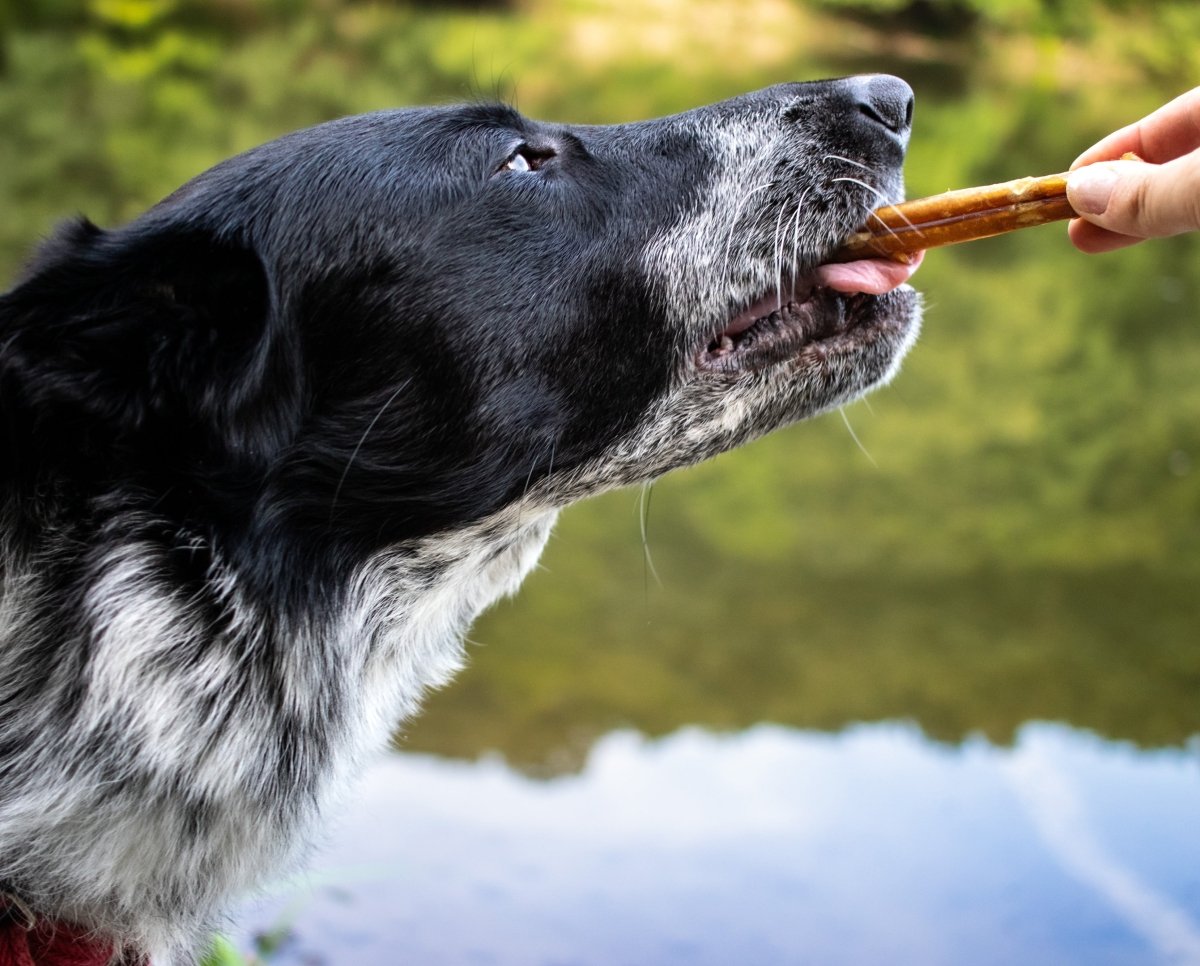
Bully sticks are made from beef muscle, unlike rawhide or plastic chews. They are softer but can still be tough for new chewers. Bully sticks shrink as dogs chew, needing more attention.
Other chews might be smaller or easier to bite. Bully sticks offer a different texture that dogs must learn. This makes bully sticks a unique challenge for many dogs.
Credit: www.bestbullysticks.com
Choosing The Right Bully Stick
Choosing the right bully stick is key for your dog’s enjoyment. Not all bully sticks suit every dog. Picking the correct size and type helps your dog chew safely and happily.
Size And Thickness Matters
Pick a bully stick that fits your dog’s size. Small dogs need thinner sticks. Bigger dogs need thick, sturdy sticks. A wrong size can cause choking or frustration. The stick should last but not be too hard. Check your dog’s chewing style for best fit.
Types Of Bully Sticks
Bully sticks come in many types. Some are braided, some are straight. Braided sticks last longer and offer a different texture. Straight sticks are simpler and easier to digest. Some bully sticks are smoked for flavor. Choose one your dog prefers and can handle easily.
Preparing Your Dog For Bully Sticks
Preparing your dog for bully sticks helps make the experience positive. Dogs new to bully sticks might not know how to eat them right away. Patience and gentle guidance are key. This section covers simple steps to get your dog comfortable with bully sticks.
Introducing Slowly
Start by showing the bully stick to your dog without giving it. Let your dog sniff and explore it first. Offer small pieces at first to avoid overwhelming your pet. Watch your dog’s reaction and give praise for interest. Repeat this over several days to build comfort.
Setting A Calm Environment
Choose a quiet place free from distractions. A calm space helps your dog focus on the bully stick. Sit with your dog and hold the stick gently. Speak softly and encourage your dog to chew slowly. Calm moments teach your dog that bully sticks are safe and fun.
Techniques To Help Your Dog Chew
Helping your dog learn to chew a bully stick takes patience and clear steps. Dogs may feel unsure about new treats. Teaching them how to chew helps them enjoy the treat safely. Use simple techniques to guide your dog gently. These steps build confidence and good chewing habits.
Demonstrating With Your Own Chew
Show your dog how to chew by using a similar item. Pick up a stick or chew toy. Bite it slowly and make chewing sounds. Your dog will watch and learn from your actions. This method helps your dog understand what to do. It makes the bully stick less scary and more fun.
Using Positive Reinforcement
Give your dog praise when it tries to chew. Use a happy voice and gentle petting. Offer small treats as rewards for good effort. This encourages your dog to keep trying. Positive feedback builds trust and makes chewing a good habit. Avoid punishment or harsh words during this process.
Guiding With Hands
Hold the bully stick gently and help your dog bite it. Use slow, soft movements to guide their mouth. Let your dog feel safe and supported. Do not force the stick into their mouth. Hand guidance teaches the right way to chew. This also strengthens your bond and makes learning easier.
Safety Tips While Using Bully Sticks
Using bully sticks can be a great treat for your dog. Safety matters most to keep your dog happy and healthy. Understanding the risks helps you avoid accidents and problems. Here are key tips to use bully sticks safely with your dog.
Supervising Your Dog
Always watch your dog while chewing a bully stick. Dogs may bite off large pieces that can cause choking. Supervision helps you act fast if your dog struggles. Do not leave bully sticks where your dog chews alone. Keep an eye to ensure safe chewing habits.
Recognizing Choking Hazards
Small or broken bully stick pieces can block your dog’s throat. Check bully sticks often for cracks or small bits. Remove any tiny pieces before giving the stick to your dog. Know the signs of choking, like gagging or coughing. Quick action can save your dog’s life.

Credit: www.amazon.com
Alternatives If Bully Sticks Don’t Work
Not all dogs enjoy bully sticks or know how to eat them. Some may find them hard to chew or simply ignore them. Finding other safe and fun chew options is important to keep your dog happy and healthy.
Other Chew Options
Try dental chews designed to clean teeth and freshen breath. Rawhide chews offer a long-lasting chewing experience. Some dogs like natural bones, but always supervise to avoid choking. Rubber chew toys are good for dogs that like to chew hard. Choose sizes and types that match your dog’s chewing style and size.
Consulting A Veterinarian
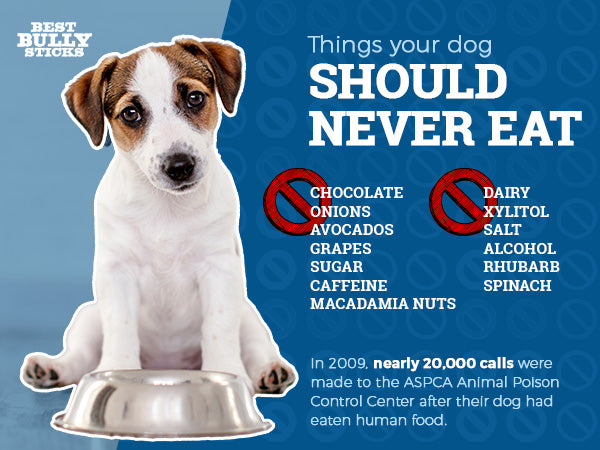
Speak with a vet if your dog refuses bully sticks or other chews. The vet can check for dental problems or allergies. Some dogs may need softer treats or special diets. A vet’s advice helps keep your dog safe and satisfied. Do not give any new chew without vet approval.
Credit: www.bestbullysticks.com
Frequently Asked Questions
Why Won’t My Dog Chew The Bully Stick?
Some dogs are unsure how to start chewing new treats like bully sticks.
How Can I Teach My Dog To Eat A Bully Stick?
Show your dog how to hold and chew by gently guiding the stick.
Are Bully Sticks Safe For All Dogs?
Bully sticks are safe if given in small amounts and supervised.
What If My Dog Swallows The Bully Stick Whole?
Swallowing large pieces can cause choking or blockages; watch your dog closely.
How Long Should My Dog Take To Finish A Bully Stick?
It varies; some dogs chew slowly, others finish quickly. Patience helps.
Can Chewing Bully Sticks Improve My Dog’s Dental Health?
Chewing bully sticks helps clean teeth and reduce plaque naturally.
Conclusion
Teaching your dog to enjoy a bully stick takes time and patience. Try different ways to offer it gently and watch your dog’s reaction. Keep the experience positive and calm. Small steps help your dog learn better. Soon, eating bully sticks will become easier and more fun.
Remember, every dog learns at its own pace. Stay patient and enjoy the bonding moments. Your dog will appreciate your care and effort. Don’t rush—good habits build slowly but last long.
As an Amazon Associate, I earn from qualifying purchases.