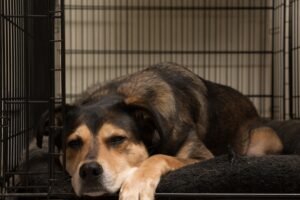
Have you ever dreamed of seeing your dog shine in front of the camera? Imagine your furry friend starring in ads, magazines, or even on TV.
Getting your dog into modeling isn’t just for a lucky few—it’s something you can make happen. With the right tips and a little patience, you can turn your pet’s charm into a successful modeling career. Keep reading, and you’ll discover simple steps to help your dog stand out and capture the spotlight.
Your dog’s big break might be closer than you think!
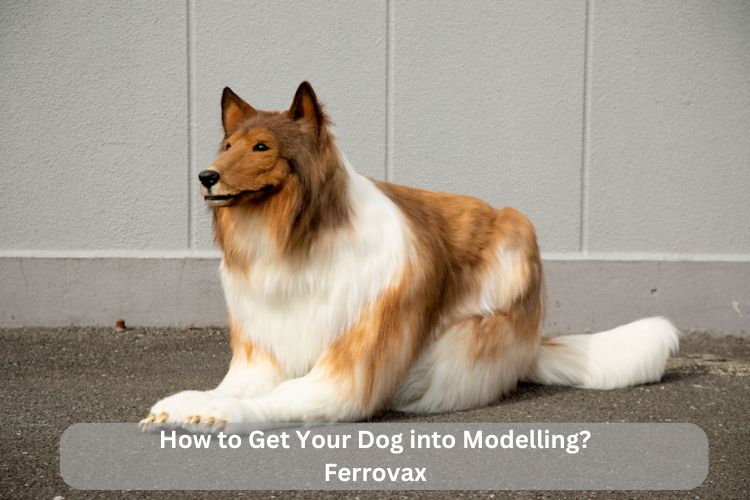
Credit: ferrovax.com
Choosing The Right Breed And Personality
Choosing the right breed and personality is key to starting your dog’s modeling journey. Not all dogs fit the camera or the busy sets. Some breeds have looks that stand out in photos and videos. Personality also plays a big role. A calm and friendly dog enjoys the spotlight more than a shy one.
Understanding what traits suit modeling helps you pick the best candidate. You want a dog that works well with people and stays focused. This makes the job easier and more fun for both of you.
Traits That Suit Modeling
Dogs with clear features often do well in modeling. Smooth coats and bright eyes catch the camera’s attention. Medium-sized dogs fit many roles and costumes. Energy levels matter too. Calm dogs handle waiting times better than hyper ones. A dog that listens well is easier to train for poses.
Assessing Your Dog’s Temperament
Temperament means your dog’s usual mood and behavior. A friendly dog enjoys meeting new people and animals. Patience is important; dogs must stay calm during shoots. Check if your dog stays focused in noisy places. Quick learners pick up commands faster, helping on set. Watch how your dog reacts to new situations. A confident dog adapts better to busy environments.
Training For The Camera
Training your dog for the camera is a key step to start a modeling career. Dogs must learn to stay calm and follow instructions during photoshoots. This training helps your dog feel comfortable in front of the camera. It also makes the whole process smooth and fun for both of you.
Basic Obedience Skills
Start with simple commands like sit, stay, and come. These skills help your dog listen better during shoots. Practice in different places to build good habits. Reward your dog with treats and praise to encourage learning. Strong obedience makes posing and following instructions easier.
Posing And Commands
Teach your dog to hold poses for a few seconds. Use commands like “look,” “stay,” and “pose” to guide them. Practice with toys or treats to keep their attention. Help your dog learn to look at the camera on cue. This makes photos more natural and engaging.
Building Patience And Focus
Modeling requires your dog to stay still for a while. Work on patience by increasing the time your dog waits calmly. Use short training sessions to avoid stress. Reward calm behavior to build positive associations. A focused dog will perform better during long shoots.
Creating A Portfolio
Creating a portfolio is the first big step to start your dog’s modeling career. A good portfolio shows your dog’s charm and variety. It helps agents and clients see your dog’s potential. The portfolio must be clear, organized, and professional. Each photo should tell a story about your dog’s personality and skills.
A strong portfolio opens doors. It makes your dog stand out from others. Focus on quality, not quantity. A few great photos are better than many average ones. This section explains how to create a portfolio that catches attention and highlights your dog’s best traits.
Professional Photoshoot Tips
Choose a calm place with good light. Natural light works best for clear photos. Avoid bright sunlight that causes shadows or squinting. Use a plain background to keep focus on your dog. Get down to your dog’s eye level for better shots. Patience is key. Take many photos to find the perfect one. Reward your dog often to keep it happy and cooperative.
Showcasing Different Looks
Include photos showing different moods and styles. Capture your dog sitting, standing, or playing. Dress your dog in simple accessories for variety. Show your dog in casual and formal settings. Different angles help show all sides of your dog. This variety proves your dog can fit many modeling jobs.
Highlighting Unique Features
Focus on what makes your dog special. Highlight unique fur patterns, eye color, or expressions. Close-up shots can show these details clearly. Show your dog’s talents like fetching or posing. Unique features make your dog memorable to clients. Always include these in your portfolio photos.
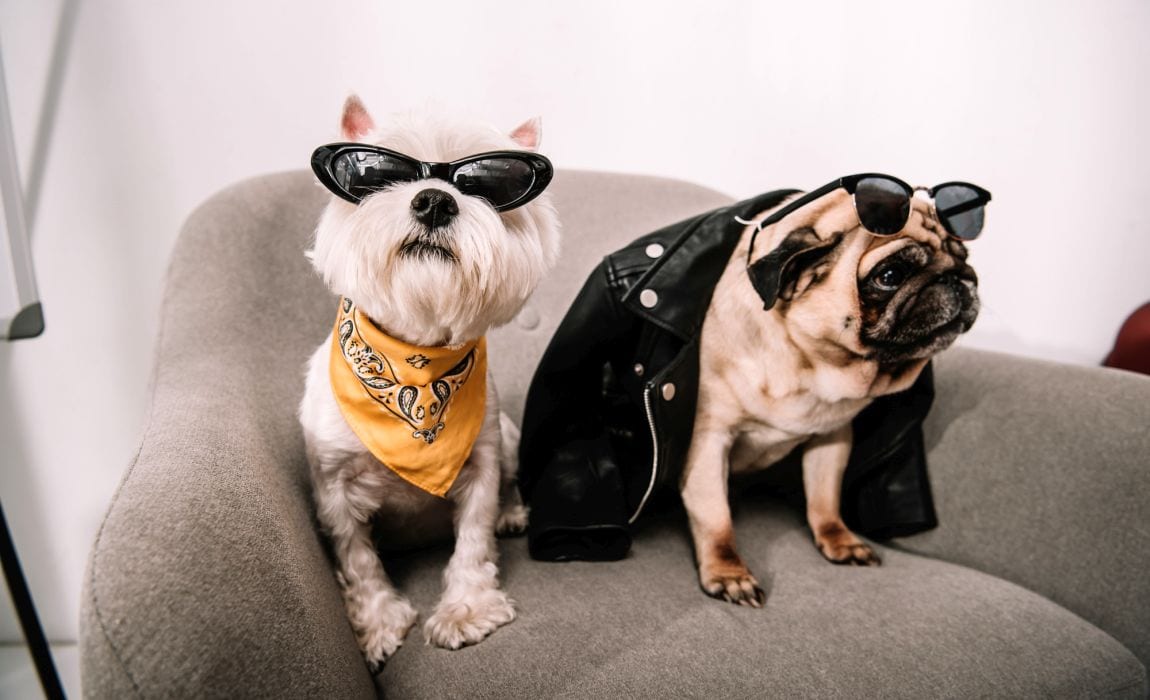
Credit: www.k9ofmine.com
Finding Modeling Opportunities
Finding modeling opportunities for your dog is the first step to start a pet modeling career. It involves searching for places and people who want dogs for ads, photos, or shows. You must be patient and ready to explore many options.
Success depends on where and how you find these chances. The right contacts and places will help your dog get noticed. Here are some key ways to find modeling jobs for your dog.
Pet Modeling Agencies
Pet modeling agencies are companies that connect dogs with modeling jobs. These agencies know the market and find the best roles for your dog. Registering with an agency can give your dog access to big brands and professional shoots.
Choose agencies that specialize in pets. Check their reputation and ask about their process. Some agencies require photos and videos of your dog. Be honest about your dog’s skills and temperament.
Casting Calls And Auditions
Casting calls and auditions are events where pet models are chosen for specific jobs. These can be in-person or online. They help find the right dog for a role based on looks and behavior.
Keep an eye on casting websites and social media for announcements. Prepare your dog to follow simple commands and stay calm. Practice good behavior to impress the casting directors.
Networking With Industry Professionals
Networking means making contacts with people in the pet modeling world. These include photographers, agents, and other pet owners. Building relationships can lead to unexpected job offers.
Attend pet shows, photo shoots, and industry events. Talk to professionals and share your dog’s portfolio. Stay polite and professional. Networking creates trust and opens doors.
Marketing Your Dog
Marketing your dog is key to starting a modeling career. It helps your dog get noticed by agents and brands. Good marketing shows your dog’s personality and unique looks. It builds trust with potential clients and fans. Here are some ways to market your dog effectively.
Using Social Media Effectively
Social media is a powerful tool for dog modeling. Create profiles on popular platforms like Instagram and Facebook. Post clear, cute photos of your dog often. Use simple captions that tell a story or show your dog’s charm. Engage with followers by replying to comments. Tag brands and modeling agencies in posts to gain attention. Consistency helps your dog’s profile grow over time.
Building A Website Or Blog
A website or blog acts as your dog’s online portfolio. Include professional photos and videos of your dog. Add a bio with your dog’s details and special skills. Update the site regularly with new shoots or events. Make sure the site loads fast and works well on phones. A good website looks trustworthy to agencies and clients.
Creating Engaging Content
Content is what keeps people interested in your dog’s story. Share behind-the-scenes photos from photo shoots. Post videos showing your dog’s tricks or personality. Write short stories or fun facts about your dog’s life. Use bright, clear images to catch the eye. Engaging content helps build a loyal audience and attracts brands.
Health And Wellness
Health and wellness are key to your dog’s success in modeling. A healthy dog looks confident and feels good. This helps in front of the camera and on set.
Keeping your dog fit, clean, and well-fed builds a strong foundation. This section covers simple ways to care for your dog’s health. These tips help your dog shine in every photo and video shoot.
Maintaining Physical Fitness
Regular exercise keeps your dog strong and energetic. Short walks, playtime, and gentle runs improve muscle tone. Fitness helps your dog stay alert and happy during shoots. Avoid over-exercising to prevent injuries.
Regular Grooming Routines
Clean fur and bright eyes make your dog camera-ready. Brush your dog’s coat often to remove dirt and loose hair. Bathe your dog regularly, but not too much. Trim nails to avoid discomfort and noise on floors. Check ears and teeth for cleanliness.
Diet And Nutrition Tips
Good food supports a shiny coat and healthy skin. Feed your dog balanced meals with high-quality ingredients. Avoid too many treats or human food. Fresh water must always be available. Consult your vet for special diet needs.
Legal And Contract Basics
Getting your dog into modeling means understanding some legal basics. Contracts and rights shape the work your pet will do. Knowing these rules keeps you and your dog safe. It also helps to work well with agents who find jobs.
Understanding Contracts
A contract is a written agreement. It explains the job and payment details. Read every word carefully. Make sure you agree with all terms. Look for how long the job lasts. Check what happens if you cancel. This protects you and your dog from problems.
Rights And Responsibilities
Knowing rights means knowing what you can ask for. Responsibilities show what you must do. You have the right to safe working conditions. You must keep your dog healthy and calm. Both sides must follow the contract rules. This balance helps avoid conflicts or stress.
Working With Agents
Agents find modeling jobs for your dog. Choose agents with good reputations. They should explain contracts clearly. Trustworthy agents keep your dog’s best interest in mind. Always ask questions before signing anything. A good agent makes the process easier and safer.

Credit: www.wikihow.com
Handling Setbacks And Challenges
Getting your dog into modeling can be exciting and rewarding. Challenges will come along the way. Handling setbacks well keeps the journey fun and positive. Patience and care help your dog grow and succeed.
Dealing With Rejections
Rejections are normal in dog modeling. Not every audition or shoot will be a yes. Teach your dog to stay calm and happy after each experience. Keep trying different opportunities. Each no brings you closer to a yes.
Managing Stress For Your Dog
Your dog’s comfort is key during auditions and shoots. Watch for signs of stress like panting or pacing. Give breaks, water, and quiet time. Use treats and praise to make sessions enjoyable. A relaxed dog performs better.
Staying Motivated
Stay positive even if progress feels slow. Celebrate small wins with your dog. Set clear, simple goals for each step. Keep training fun and short. Your calm and happy attitude helps your dog feel confident and ready.
Frequently Asked Questions
What Are The First Steps To Start Dog Modeling?
Begin by training your dog to follow basic commands and stay calm during photo sessions.
How Do I Find Dog Modeling Agencies?
Search online for pet modeling agencies and check their reviews before applying.
What Qualities Make A Dog Good For Modeling?
Good behavior, unique looks, and the ability to follow commands quickly.
How Can I Prepare My Dog For A Photo Shoot?
Practice posing, grooming, and keep your dog relaxed before shoots.
What Equipment Is Needed For Dog Modeling Photos?
Use a good camera, natural light, and treats to keep your dog focused.
How Do I Create A Dog Modeling Portfolio?
Take clear photos showing different poses and expressions of your dog.
Conclusion
Getting your dog into modeling takes patience and care. Start with small steps and build your dog’s confidence. Practice posing and following simple commands daily. Find trusted agencies or photographers who work well with pets. Keep sessions fun and rewarding to keep your dog happy.
Remember, every dog is unique and learns at their own pace. Enjoy the journey and celebrate each small success along the way. Your dog can shine with love and consistent effort.
As an Amazon Associate, I earn from qualifying purchases.