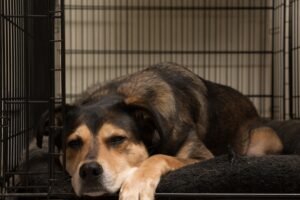
Are you tired of your dog waking up too early and disturbing your sleep? You’re not alone.
Many dog owners struggle with getting their furry friends to sleep later in the morning. Imagine enjoying a few extra hours of rest while your dog stays cozy and relaxed. You’ll discover simple, effective tips that can help shift your dog’s sleep schedule.
Keep reading, and you’ll learn how to create a calm morning routine that benefits both you and your pet.

Credit: www.youtube.com
Why Dogs Wake Early
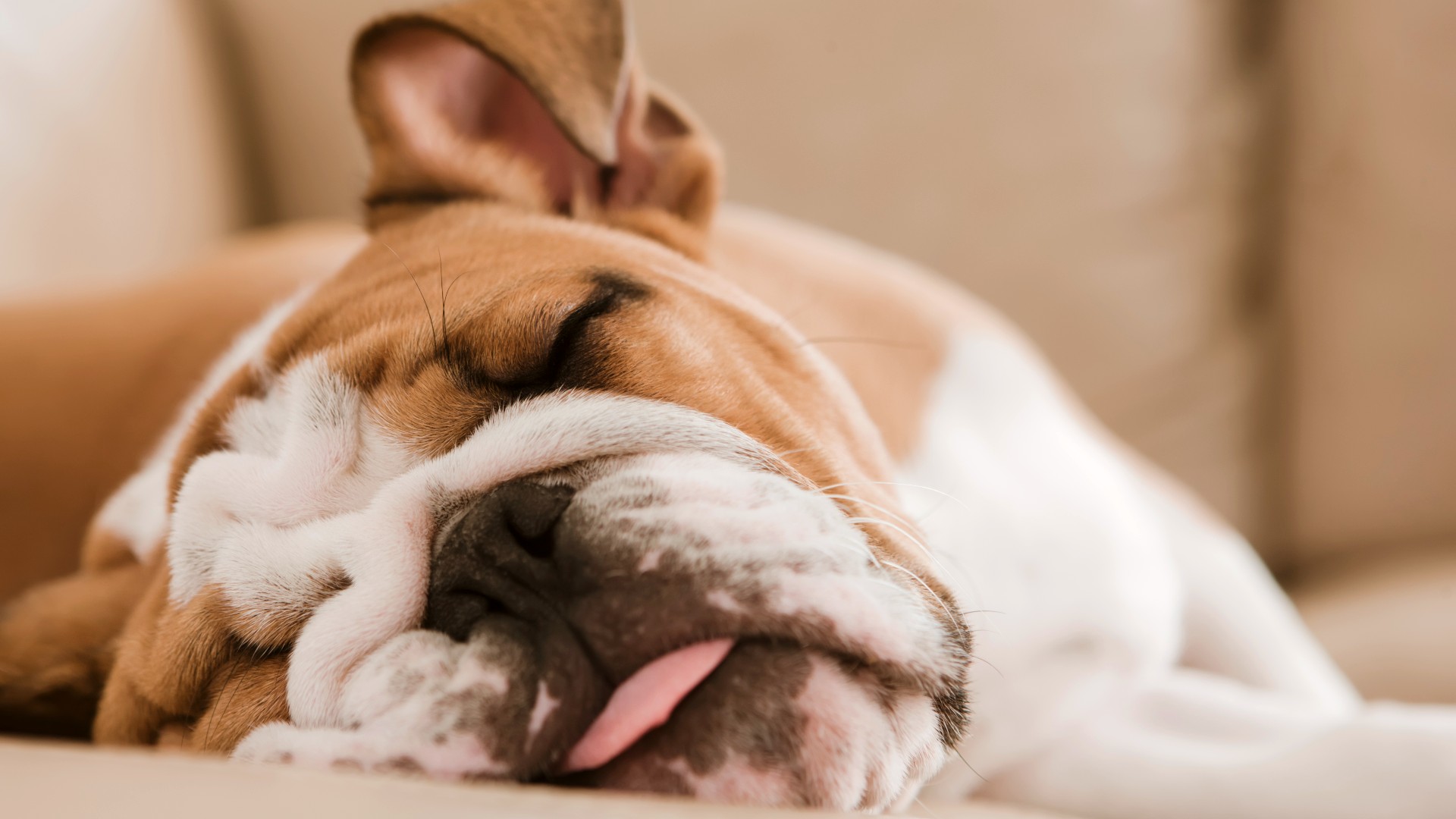
Dogs waking up early can be puzzling and sometimes frustrating. Understanding why dogs rise with the sun helps address the issue better. Several reasons explain this early waking behavior. Let’s explore the main causes.
Natural Sleep Patterns
Dogs have different sleep cycles than humans. They sleep in shorter bursts throughout the day and night. Their ancestors were active at dawn and dusk. This behavior is called crepuscular. It makes dogs naturally wake early in the morning. Their body clock follows this pattern.
Environmental Triggers
Sounds and lights affect when dogs wake up. Morning birds, traffic, or household noises can disturb them. Sunlight entering through windows signals morning time. Dogs respond quickly to these changes. A quiet, dark room helps dogs sleep longer.
Health Factors
Health issues can cause early waking. Pain, digestive problems, or needing to pee can wake dogs. Older dogs may have trouble sleeping through the night. Stress and anxiety also affect their rest. Checking your dog’s health is important if early waking is new.
Credit: www.petsradar.com
Adjusting Bedtime Routine
Adjusting your dog’s bedtime routine helps shift their sleep schedule. This change makes your dog sleep later and be more awake in the morning. A good routine eases the transition and keeps your dog calm. The key is to set clear habits that your dog can follow daily.
Consistent Sleep Schedule
Set a fixed bedtime and wake-up time for your dog. Stick to these times every day, even on weekends. Dogs feel safe with a routine and fall asleep easier. Avoid letting your dog nap too long during the day. This helps build better sleep habits at night.
Calming Pre-sleep Activities
Choose quiet activities before bedtime to relax your dog. Gentle petting or soft talking works well. Avoid loud games and exciting play near bedtime. A short walk can help your dog release energy calmly. These activities prepare your dog’s mind and body for rest.
Creating A Comfortable Sleep Space
Make your dog’s sleeping area cozy and inviting. Use a soft bed with clean blankets. Keep the space quiet and dark during sleep time. Remove distractions like loud noises and bright lights. A calm environment helps your dog feel safe and sleep longer.
Managing Exercise And Diet
Managing your dog’s exercise and diet plays a key role in adjusting their sleep schedule. Proper timing of activities and meals helps your dog feel calm and ready to rest. This section covers easy tips to manage these aspects well.
Timing Of Physical Activity
Exercise wakes your dog up and uses energy. Schedule walks and playtime earlier in the day. Avoid intense activity close to bedtime. Late exercise can make your dog restless and alert. Morning or afternoon walks work best.
Evening Feeding Tips
Feed your dog a light meal in the evening. Heavy meals before bed may cause discomfort. Small portions help avoid stomach issues at night. Keep feeding time consistent to build a routine. This helps your dog feel secure and relaxed.
Avoiding Late-night Stimulants
Do not give your dog treats or snacks late at night. Sugary or caffeinated items can cause excitement. Avoid noisy toys or games before bedtime. Calm activities help your dog wind down. A quiet environment supports better sleep habits.
Credit: wagwalking.com
Controlling Morning Environment
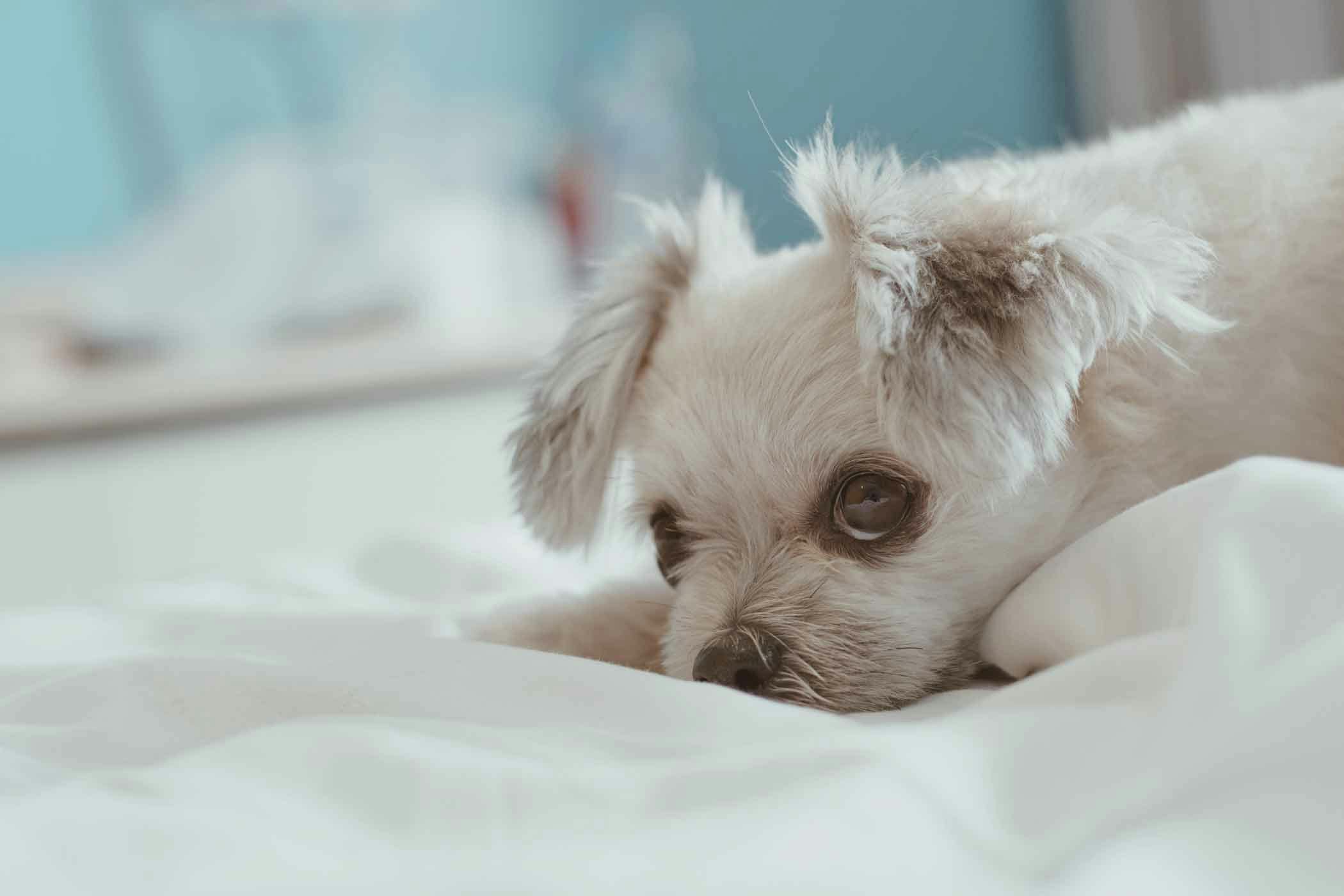
Controlling your dog’s morning environment helps them sleep later and rest well. Dogs react to light and sounds around them. A calm, quiet space delays their wake-up time. Small changes in the morning can make a big difference. Focus on reducing early light and noise. Create a peaceful setting for your dog.
Limiting Early Light And Noise
Bright light and loud sounds can wake dogs too early. Close doors to noisy rooms. Turn off early morning alarms near your dog’s space. Keep the area dim with soft light only. This helps signal your dog to stay in bed. Less noise means less chance to get up early.
Using White Noise Or Soft Music
White noise or soft music covers sudden sounds. It creates a steady background that calms your dog. Use a fan, a white noise machine, or calm music playlists. Keep the volume low to avoid disturbing your dog. This masks outside noises like cars or birds. Your dog stays relaxed and sleeps longer.
Closing Curtains Or Blinds
Sunlight through windows wakes dogs early. Close curtains or blinds before bedtime. Dark rooms tell dogs it is still time to rest. Blackout curtains work best to block light completely. If blackout curtains are not available, use thick curtains. Adjust them so no light sneaks in. A dark room helps your dog sleep late.
Training Techniques To Delay Wake Time
Training your dog to sleep later requires patience and clear methods. Teaching your dog to delay waking helps improve your rest. Use simple, consistent training techniques. These make the process easier for both of you. Focus on calm behavior and positive rewards to guide your dog.
Teaching Quiet Commands
Start by teaching your dog a quiet command. Use words like “quiet” or “stay.” Say the command when your dog is calm in the morning. Reward your dog if it stays quiet and relaxed. Repeat this daily to build the habit. This helps your dog learn to control early morning noise.
Gradual Delay Method
Try delaying your dog’s wake-up time slowly. Wait a few extra minutes each day before getting up. This helps your dog adjust without stress. Keep morning routines consistent. Use the same signals for feeding and walks. Over time, your dog will learn to wait longer in bed.
Positive Reinforcement
Use treats and praise to encourage good behavior. Reward your dog when it stays calm in bed. Give treats only after the desired wake-up time. Avoid attention if your dog wakes too early. This teaches your dog that quiet waiting brings rewards. Positive reinforcement builds a strong, lasting habit.
When To Consult A Veterinarian
Knowing when to consult a veterinarian about your dog’s sleep is important. Some sleep problems need medical advice to keep your dog healthy. Early help can stop small issues from growing into big problems.
Identifying Sleep Disorders
Sleep disorders can cause restless nights for your dog. Signs include frequent waking, unusual movements, or loud snoring. If your dog seems tired during the day, this could be a sign. A vet can check for disorders like sleep apnea or narcolepsy.
Behavioral Concerns
Changes in your dog’s sleep habits can link to stress or anxiety. Pacing, whining, or hiding at night are warning signs. These behaviors affect sleep quality. A vet can suggest ways to reduce stress and improve sleep.
Medical Conditions Affecting Sleep
Illness often changes a dog’s sleep patterns. Pain, infections, or hormonal issues can cause restlessness. If your dog has other symptoms like loss of appetite or coughing, see a vet. Treating the medical problem can help restore normal sleep.
Frequently Asked Questions
How Can I Make My Dog Sleep Later In The Morning?
Set a consistent bedtime and avoid early morning play to help your dog rest longer.
What Routines Help Dogs Adjust Their Sleep Schedule?
Regular walks, feeding times, and quiet time before bed improve sleep habits.
Can Changing Feeding Times Delay A Dog’s Wake-up Time?
Yes, feeding your dog later in the evening can encourage later waking.
Is Exercise Important For My Dog’s Sleep Timing?
Daily exercise helps tire your dog, promoting better and later sleep.
Should I Limit My Dog’s Water Before Bedtime?
Reducing water intake an hour before bed can prevent early waking.
How Does Light Exposure Affect My Dog’s Sleep Schedule?
Keeping the bedroom dark and quiet helps your dog sleep later and better.
Conclusion
Helping your dog sleep later takes patience and consistency. Stick to a routine that suits your pet’s needs. Avoid excitement early in the morning to keep them calm. Use gentle training and rewards to guide their behavior. Over time, your dog will learn to rest longer.
Remember, every dog is different, so adjust as needed. Keep trying, and you will see progress. Sleep means better health and happiness for your furry friend. Small steps make a big difference in their daily life.
As an Amazon Associate, I earn from qualifying purchases.